







Master the Art of Tadka
If there's one technique that defines Indian cooking, it's the *tadka*, or tempering. This is the process of blooming whole or ground spices in hot fat (like ghee or oil) before adding them to a dish. Why is this so crucial? Raw spices can taste dusty
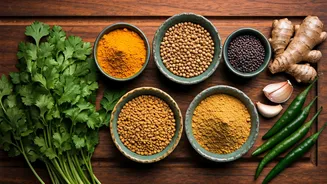
and flat. Heating them in fat releases their essential oils, transforming their aroma and flavour from dormant to dynamic. A simple dal is instantly elevated with a final tadka of cumin seeds, mustard seeds, and dried red chillies sizzled in ghee. It’s not just an extra step; it’s the step that breathes life and a multi-layered aroma into the simplest of preparations. Start with a small pan, heat your fat, and listen for the crackle of the seeds—that’s the sound of flavour being born.
Respect the Foundational Trio
Onion, ginger, and garlic are the unsung heroes of countless Indian gravies and stir-fries. They are more than just background noise; they are the bedrock of flavour. How you treat them matters immensely. Sautéing onions until they are translucent provides a gentle sweetness, while browning them until they are deeply caramelized creates a rich, complex, and almost nutty base for dishes like a korma or a robust meat curry. Similarly, the pungent kick of raw ginger and garlic mellows with cooking. Frying the paste until the raw smell disappears (*bhunao*) is a non-negotiable step for building a flavour profile that is deep and resonant, not sharp and overpowering. Don't rush this process; it's where the soul of the dish is formed.
Harness the Power of Sour
Salt is a given—it enhances every other flavour. But the secret weapon in a cook’s arsenal is acid. A squeeze of lemon or lime, a spoonful of tamarind paste, a dollop of yogurt, or even finely chopped tomatoes can completely transform a dish. Acid cuts through richness, brightens earthy flavours, and adds a high note that prevents food from tasting heavy or one-dimensional. Think about how a squeeze of lime lifts a bowl of poha or how tamarind provides the signature tang in sambar. If your curry or vegetable dish tastes like it's missing *something*, before you reach for more salt or garam masala, try adding a touch of acidity. You'll be amazed at how it makes all the other flavours pop.
Finish with Fresh Herbs
While dried spices build the deep, foundational notes of a dish, fresh herbs provide the bright, aromatic finish. They are not just a garnish for colour; they are a final layer of flavour. A generous handful of chopped coriander (dhania) stirred into a curry right before serving adds a fresh, citrusy perfume that cooking would have destroyed. Fresh mint leaves can cool down a spicy biryani or raita, while curry leaves, when fried in the initial tadka, impart a unique, savoury aroma that is impossible to replicate. Keep a pot of coriander or mint on your windowsill. The ability to grab a fresh handful will instantly elevate your daily meals from good to great.
Don't Underestimate Good Fat
The type of fat you use is not just a cooking medium; it's a flavour ingredient in its own right. Ghee, or clarified butter, has a high smoke point and a nutty, rich taste that enhances everything from parathas to dals. It adds a luxuriousness that is quintessentially Indian. Similarly, pungent mustard oil is the heart and soul of many North and East Indian dishes, providing a sharp, peppery note that is central to pickles and fish curries. Even simple groundnut or coconut oil brings its own subtle character. Using the right fat for the right dish is a simple switch that pays huge dividends in authenticity and taste. It's the base upon which all other flavours are built.