



Ashwin's Surprising Prediction
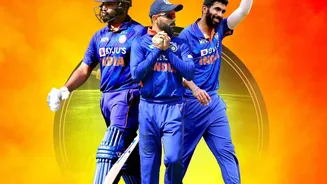
Speaking on his popular YouTube channel, Ravichandran Ashwin shared his thoughts on the coaching prospects of his long-time teammates. He suggested that neither superstar is likely to jump straight into a coaching role immediately after retirement, believing
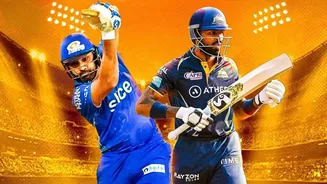
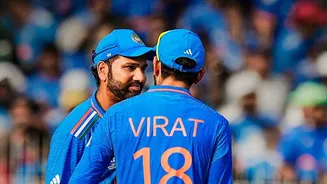
both would want a break after years of high-pressure cricket. However, he drew a distinction between their potential long-term futures. Ashwin speculated that Rohit Sharma could eventually find himself in a coaching or mentorship capacity, particularly with his storied IPL franchise, Mumbai Indians. For Virat Kohli, however, Ashwin was less certain, suggesting he would probably want to take a prolonged break from the game.
The Case Against Coach Kohli
Ashwin's hesitation about Kohli's coaching future taps into a wider perception of the batting maestro's personality. Known for his phenomenal work ethic and almost superhuman standards, Kohli's intensity is the stuff of legend. While it propelled him to the pinnacle of the sport, that same quality could be a difficult fit for coaching. Great players often struggle to understand why others can't perform tasks that came naturally to them. A coach needs immense patience and the ability to manage a wide spectrum of personalities and skill levels. Kohli himself has previously stated that once he is done with cricket, he will be 'gone for a while', hinting at a desire to step away completely rather than transition into a new role within the sport.
Rohit Sharma: The Laid-Back Tactician
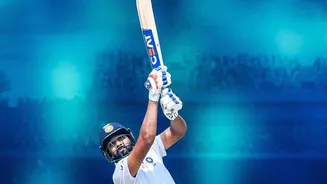
In contrast, Ashwin sees a clearer path for Rohit Sharma, a captain who led Mumbai Indians to five IPL titles. Rohit's on-field persona is perceived as more relaxed and approachable, qualities that could translate well to a coaching environment. His tactical acumen is widely praised, and his success in franchise cricket demonstrates an ability to build and lead a team. Ashwin was emphatic that a franchise like Mumbai Indians would be wise to 'immediately absorb' a cricketing mind like Rohit's once he decides to retire. The role might not be a hands-on head coach position, which is incredibly labour-intensive, but perhaps a mentor or director of cricket, guiding the team's broader strategy.
Why Great Players Often Struggle as Coaches
The transition from star player to successful coach is notoriously difficult. The very genius that defines an elite athlete can become a barrier to teaching. They often see the game in a way that is hard to articulate to less-gifted players. Coaching requires a different skill set: empathy, communication, and the ability to break down complex actions into simple, repeatable steps. Furthermore, after decades of grueling international schedules, many top players prefer the less stressful and often lucrative world of commentary and media, which keeps them connected to the game without the immense pressure of results. They have often achieved financial security and simply don't have the need or desire to dive back into the high-stakes coaching world.
The Rahul Dravid Model
Rahul Dravid provides the ultimate counter-example in Indian cricket. A bona fide legend of the game, 'The Wall' successfully transitioned into a celebrated coach. His success, which includes coaching the U-19 team to a World Cup victory and the senior team to a T20 World Cup title, stemmed from a different temperament. Known for his meticulous preparation and studious nature as a player, Dravid brought that same discipline to coaching. He started at the grassroots level, nurturing young talent at the U-19 and India A setups, which honed his ability to mentor and develop players. His patient, process-driven approach is a reminder that a superstar's pedigree can be a huge asset in coaching, but only when combined with the right temperament and a genuine passion for teaching.