








Working With Your Body's Clock
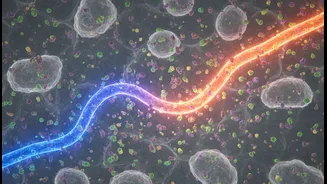
The emerging field of chrononutrition explores how our health is affected by the timing of our meals. It’s all connected to our circadian rhythm, the body's internal 24-hour clock that governs everything from our sleep-wake cycle to our metabolism. This
internal clock means our bodies are primed to do different things at different times of the day. Our digestive system, for instance, is most active and efficient during daylight hours. Eating in alignment with this natural rhythm—by consuming the bulk of our calories when our metabolism is at its peak—can have a profound impact on our overall well-being. Conversely, eating a large meal late at night can throw this system out of sync, forcing our digestive organs to work overtime when they should be resting.
The Connection to a Happier Gut
Our gut microbiome, the vast community of bacteria living in our digestive tract, also follows a daily rhythm. Disrupting this cycle by eating late can lead to a host of digestive complaints. When you eat a heavy meal close to bedtime, your digestive processes slow down considerably. This can contribute to issues like bloating, indigestion, and acid reflux, which can be particularly disruptive as you lie down to sleep. Research suggests that aligning food intake with our body's daytime-oriented clock supports better digestive efficiency. Consuming your largest meal at midday, when your digestive system is at its most powerful, allows for more effective breakdown and absorption of nutrients, potentially leading to less discomfort and a healthier gut environment.
Unlocking More Restful Sleep
A heavy evening meal can be a significant barrier to a good night's sleep. The process of digestion is an active one, raising your core body temperature and heart rate at a time when they should be dropping to promote sleep. This physiological activation can make it harder to fall asleep and can lead to more frequent awakenings during the night. Studies have shown that individuals who eat within three hours of bedtime experience more disrupted, lower-quality sleep. By shifting your main meal to lunch and opting for a lighter dinner, you give your body several hours to digest before you turn in for the night. This allows your system to focus on the restorative processes of sleep, rather than being burdened with a full stomach.
Beyond Digestion and Sleep
The benefits of making lunch your main meal may extend even further. Several studies have linked this eating pattern to better metabolic health. Research has shown that front-loading calories earlier in the day can improve insulin sensitivity and help with blood sugar control. Some studies have even found that people may lose more weight when eating their largest meal at lunch compared to dinner, even when total daily calories are the same. This may be because our bodies are more efficient at burning calories earlier in the day—a process known as diet-induced thermogenesis. A substantial lunch can also provide sustained energy for the afternoon, helping to prevent the dreaded mid-afternoon slump and reduce cravings for sugary snacks.
How to Make the Midday Switch
Transitioning your eating schedule doesn't have to happen overnight. Start by gradually increasing the size of your lunch while making your dinner a little lighter. Plan ahead by preparing satisfying, nutrient-dense lunches that include a balance of protein, healthy fats, and complex carbohydrates to keep you full and energized. For dinner, think of lighter options like soups, salads, or smaller portions of lean protein and vegetables. It's also helpful to establish a consistent meal schedule, eating at roughly the same times each day to help regulate your body's internal clock. Most importantly, listen to your body’s hunger and fullness cues. The goal isn’t to go to bed hungry, but to avoid going to bed overly full.