






From Cold Minimalism to Warmth
For years, the word ‘minimalism’ conjured images of glossy white surfaces, sharp grey lines, and a near-clinical absence of clutter. It was a design movement about reduction, stripping spaces back to their barest essentials. But as our lives get more
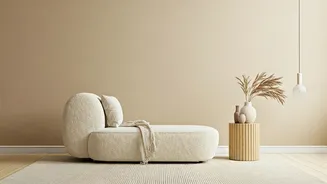
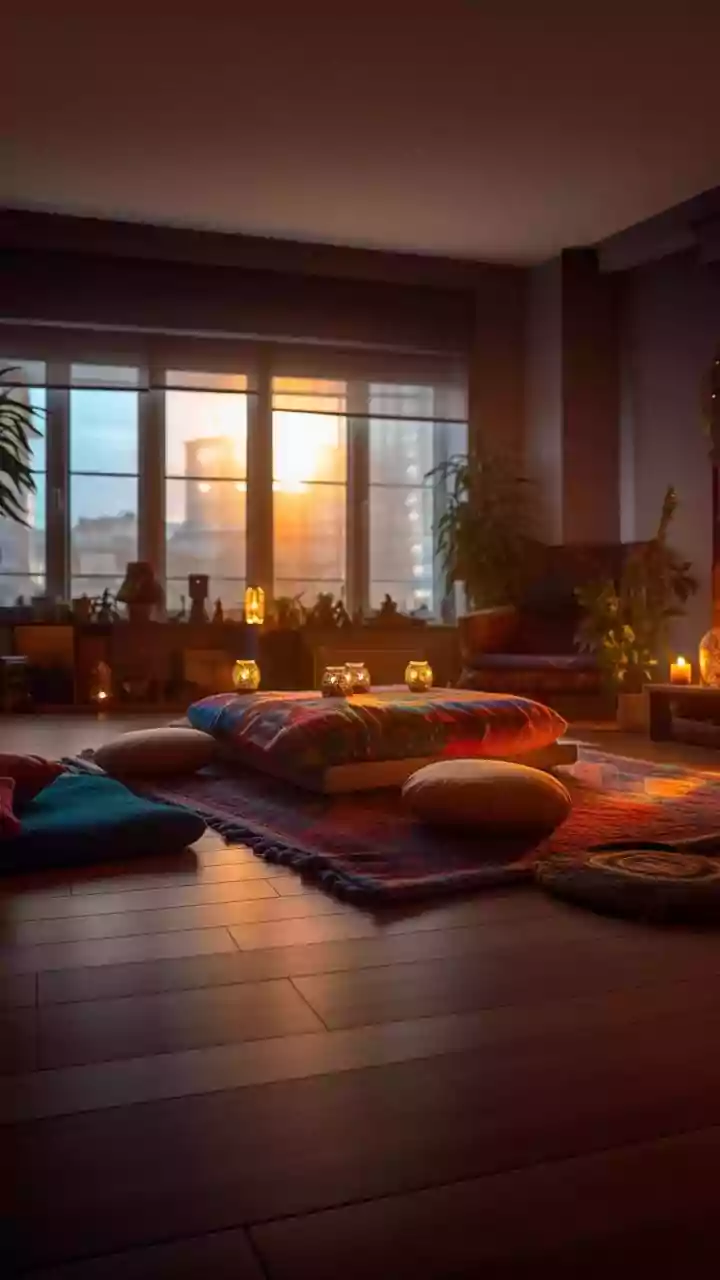
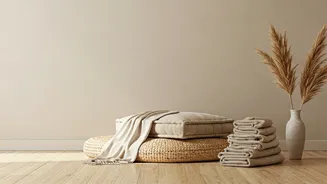
digital and our cities more crowded, a collective yearning for texture, warmth, and a connection to nature has emerged. Enter earthy minimalism. This isn't about getting rid of things; it's about curating a space with natural, imperfect, and meaningful objects. The colour palette moves away from monochrome and embraces the gentle hues of the earth: terracotta, beige, ochre, muted greens, and soft browns. It’s a design philosophy that prioritises feeling over formula, creating homes that feel like a gentle hug after a long day.
The Rise of the Clay Wall
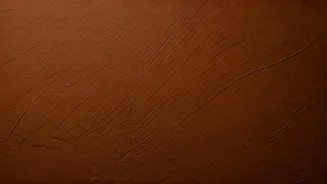
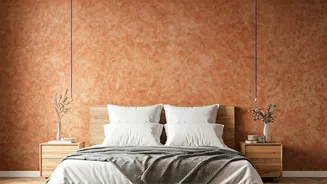
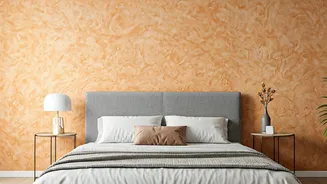
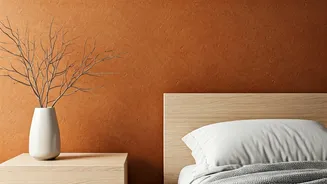
The hero of this design story is undoubtedly the wall. Forget flat, flawless paint jobs. The trend is gravitating towards surfaces with depth, character, and a story. Clay and lime-based plasters are at the forefront of this shift. Techniques like lime wash, which has been used for centuries, offer a soft, chalky finish with subtle variations in tone that change with the light. Tadelakt, a traditional Moroccan plastering technique, results in a seamless, water-resistant surface that is both luxurious and rustic. These finishes are not perfect, and that’s precisely the point. The gentle trowel marks, the nuanced colour depth, and the tactile quality make a room feel handcrafted and alive. Instead of a sterile box, the room becomes a sanctuary, wrapped in a material that feels as ancient as the earth itself.
More Than Just a Pretty Face
The appeal of clay walls goes far beyond aesthetics. These natural materials come with a host of wellness and environmental benefits. Unlike many synthetic paints and finishes that can release volatile organic compounds (VOCs) into the air, clay and lime plasters are non-toxic and breathable. This 'breathability' is a game-changer for indoor air quality. The walls can absorb excess moisture from the air and release it when the air becomes dry, helping to regulate humidity naturally. This property makes them resistant to mould and mildew, creating a healthier living environment. Furthermore, these materials are often sourced sustainably and are biodegradable, ticking a major box for eco-conscious homeowners who want their design choices to reflect their values.
Grounded in Indian Tradition
While this trend feels new in the context of modern city apartments, it has deep roots in Indian architectural traditions. From the mud huts of Kutch to the lime-plastered havelis of Rajasthan, using earthy materials for construction and finishing is a practice embedded in our heritage. These traditional techniques were born from an innate understanding of local climate and materials. Today’s architects and designers are reinterpreting this ancient wisdom for the contemporary urban home. They are demonstrating that a connection to tradition can coexist with modern design, creating spaces that feel both globally relevant and uniquely Indian. In a tropical climate like ours, the cooling and humidity-regulating properties of clay and lime are not just a luxury, but a practical advantage.
How to Embrace the Look
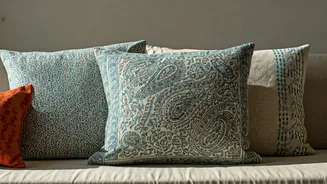
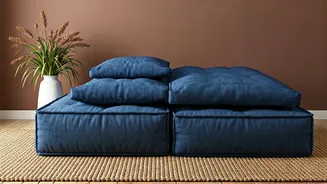
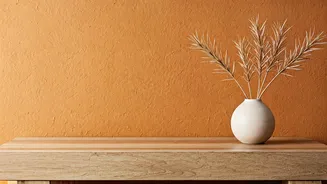
Going for full-fledged clay-plastered walls is a commitment, but you can incorporate the principles of earthy minimalism in smaller, more manageable ways. Start with your colour palette, introducing shades of terracotta, beige, and sage green through cushions, throws, or a feature wall painted in a matte, chalky finish. Prioritise natural materials throughout your space. Swap plastic for wood, metal for ceramic, and polyester for linen, cotton, and jute. Think about texture: a rough-hewn wooden coffee table, a hand-woven rug, or a collection of handmade pottery can add the same sense of warmth and character as a plastered wall. The goal is to create layers of natural texture and tone that make your home feel grounded, personal, and serene.