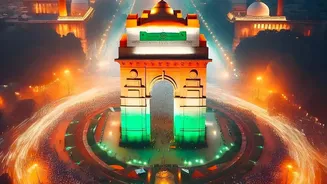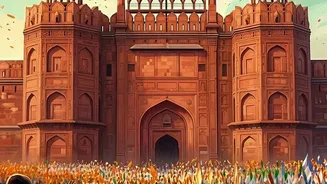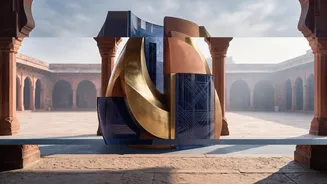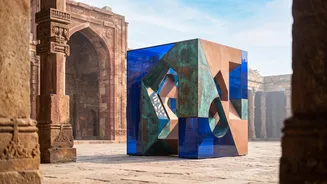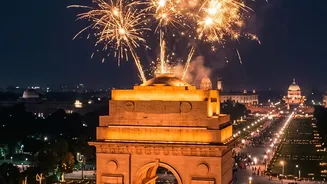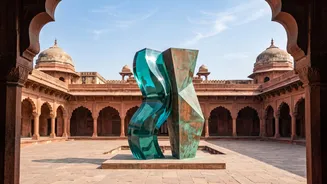



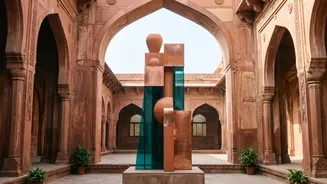
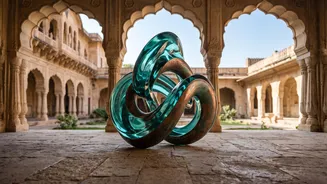
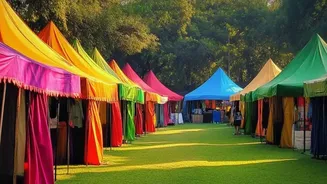
This winter, Delhi's timeless monuments are shedding their historical silence. They are set to become the dramatic backdrop for a groundbreaking art and design festival, blending ancient grandeur with contemporary creative expression.
A City-Wide Cultural Canvas
This December, the
national capital will transform into a sprawling, open-air museum for the second edition of the India Art, Architecture & Design Biennale (IAADB) 2026, now officially named The India Biennale. Presented by the Ministry of Culture, this massive cultural festival will launch on December 4, 2026, and run for an impressive 108 days until March 21, 2027. Following a successful inaugural event at the Red Fort in 2023, this year's biennale expands across the entire city, turning numerous heritage sites and modern galleries into interconnected cultural hubs. The event aims to create a unique platform for creative dialogue and discovery, inviting both residents and tourists to experience Delhi's history in a completely new light.
The Historic Venues
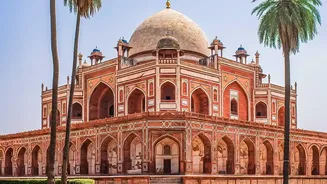
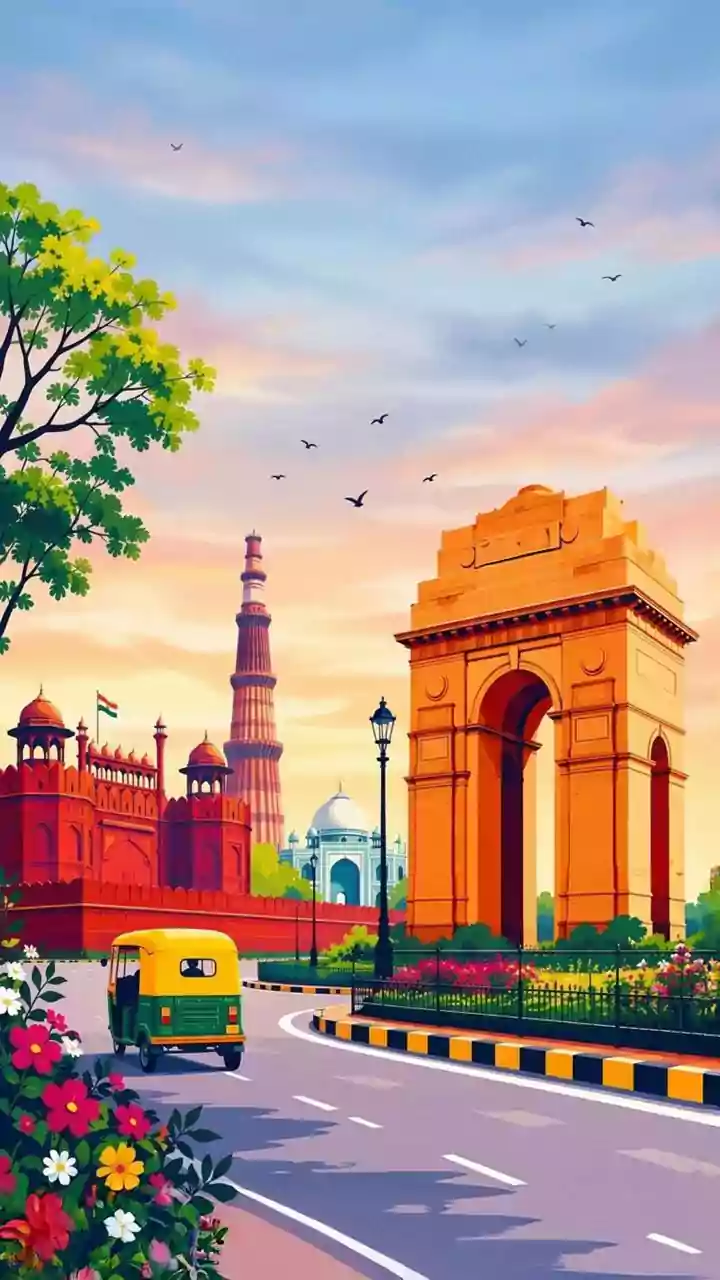
Instead of confining art to traditional galleries, the biennale will use the city’s architectural treasures as its canvas. Purana Qila (Old Fort) will serve as the festival's primary anchor venue. Other iconic sites set to host installations and exhibitions include the Red Fort, Qutub Minar, Humayun's Tomb, Jantar Mantar, Safdarjung Tomb, Agrasen Ki Baoli, and the Mehrauli Archaeological Park. Institutional hubs like the National Gallery of Modern Art (NGMA) and the Indira Gandhi National Centre for the Arts (IGNCA) are also part of the city-wide celebration. This approach allows for site-specific projects where contemporary art can directly interact with centuries-old structures, creating a powerful juxtaposition of past and present.
Art, Architecture, and 'You Are That'
The curatorial theme for the 2026 biennale is 'Tat Tvam Asi' – a Sanskrit phrase from the Upanishads meaning 'You Are That'. The theme serves as a call to reconnect and find meaning in a world of distraction. Visitors can expect a diverse range of creative works, from large-scale sculptures and immersive light projections to digital art, architectural prototypes, and indigenous artisan displays. The event will feature participation from over 20 countries, including France, Italy, and Switzerland, alongside leading Indian cultural institutions like the Kiran Nadar Museum of Art and the Nita Mukesh Ambani Cultural Centre. Highlights include unique installations like 'A Woven Line of Control' at Purana Qila and 'Varanasi the Timeless' at Qutub Minar.
Planning Your Visit
The biennale is designed to be accessible to everyone, with events spread across Delhi. To streamline access, a special India Biennale Pass will replace regular entry tickets at all participating monuments for the duration of the festival. These integrated passes will be available at various price points, starting from as low as ₹100, allowing visitors to explore multiple venues. With venues scattered across the city, using the Delhi Metro is recommended for easy transit. Key stations like Supreme Court (for Purana Qila), Lal Quila (for Red Fort), and JLN Stadium (for Humayun's Tomb) offer convenient access to the main festival sites. Besides the exhibitions, the 108-day event will also feature a calendar of experiences, including heritage walks, artist talks, and conversations.