





The Battery Bottleneck
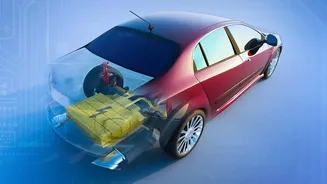
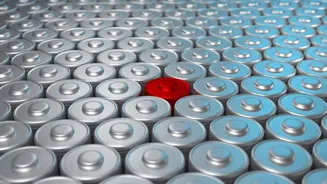
For years, the biggest roadblock to mass EV adoption in India has been the battery pack. Constituting up to 40% of an electric vehicle's total cost, it's the single most expensive component. This high price is a major hurdle in a price-sensitive market
like India, where two-wheelers are the backbone of daily transport. The challenge is compounded by India's reliance on imported lithium-ion cells and critical raw materials like lithium and cobalt, which makes the supply chain vulnerable to global price swings and disruptions. This dependency has kept the costs of entry-level electric scooters and motorcycles stubbornly high, placing them just out of reach for a large segment of buyers.
Traditional Testing: Slow and Expensive
Historically, ensuring a battery is safe, reliable, and performs as advertised has been a slow and laborious process. Traditional testing methods involved manually connecting batteries to different machines for charging and discharging, often taking seven to eight hours for a single comprehensive diagnosis. This created a significant bottleneck in both research and development (R&D) and on the manufacturing floor. Every new battery design required countless hours of validation, and quality control on the assembly line was equally time-consuming. This inefficiency directly translated into higher costs, as time, specialised equipment, and skilled labour all added to the final price tag of the battery, and consequently, the vehicle.
The New Guard: Fast, Smart, and Automated
Today, a new generation of testing technology is changing the game. At the forefront are AI-powered diagnostic tools, some developed by innovative Indian startups. Companies like Ahmedabad-based E-Vega Mobility Labs have created devices such as the 'EV Doctor', which can accurately assess a battery's health, safety, and performance in just 15 minutes. This is a monumental leap in efficiency. These systems use advanced algorithms to analyze voltage, current, and resistance data under load, quickly identifying potential faults or degradation. Beyond diagnostics, automated test systems now allow manufacturers to run multiple tests simultaneously, 24/7, dramatically accelerating R&D and production cycles. Software-based simulation further reduces the need for costly physical prototypes, allowing engineers to test battery performance in a virtual environment.
How Smarter Testing Slashes Prices
The connection between faster testing and a lower sticker price is direct and multi-faceted. Firstly, by shortening the R&D and validation timeline from months to weeks, companies can bring new, more affordable models to market faster. Secondly, rapid testing on the production line allows for better quality control, identifying and removing faulty cells early before they are assembled into expensive battery packs. This drastically reduces manufacturing waste and potential warranty claims, which are significant cost drivers. Furthermore, superior testing and monitoring give manufacturers the confidence to use more cost-effective battery chemistries, such as Lithium Iron Phosphate (LFP), which are safer but require precise management to optimize performance. These savings at every stage of the process accumulate, enabling a lower final price for the consumer.
Building Trust and a Second-Hand Market
Beyond the initial purchase price, next-gen testing is solving another critical piece of the affordability puzzle: total cost of ownership and resale value. Accurate, rapid diagnostics build consumer confidence by verifying the safety and longevity of the battery. For the first time, a reliable and standardized metric for battery health—its 'State of Health' (SoH)—is becoming available. This is the new fuel economy for EVs. It allows potential buyers of used electric two-wheelers to know exactly what they are getting, creating a transparent and trustworthy second-hand market. A healthy resale market reduces the perceived financial risk of buying a new EV, making the initial investment more attractive and ultimately supporting the entire ecosystem.