






A Natural Source of Mild Nutrients
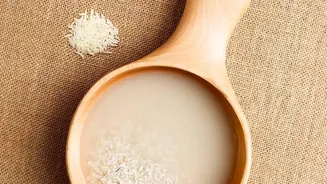
The primary benefit of rice water lies in its nutritional content. While not a replacement for a balanced fertiliser, the water left from washing rice contains trace amounts of essential macronutrients: nitrogen (N), phosphorus (P), and potassium (K).
Studies have shown that this water is significantly richer in these elements than regular tap water. These nutrients are vital for plant functions, supporting everything from leafy growth to strong root development and flowering. The water also contains B vitamins, such as thiamine and niacin, which can promote root health and overall plant vitality. Think of it as a gentle, natural supplement that gives your plants a mild boost without the risk of chemical burn associated with stronger synthetic fertilisers.
Feeds Beneficial Soil Microbes
Healthy soil is alive with a complex ecosystem of bacteria and fungi, and rice water is an excellent food source for these microorganisms. The starch present in the water is a key component. When you apply rice water to the soil, the starches provide carbohydrates that fuel the growth of beneficial microbes like lactobacilli and mycorrhizae. These microbes play a crucial role in soil health by breaking down organic matter, which makes nutrients more bioavailable for the plant's roots to absorb. Some research also indicates that fermented rice water, in particular, can introduce beneficial bacteria that help with nitrogen fixation and phosphorus solubilisation, further enhancing soil fertility.
Improves Soil Structure and Health
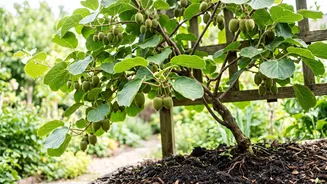
The microbial activity stimulated by rice water has a direct impact on the physical structure of the soil. As beneficial bacteria and fungi thrive, they help to loosen compacted soil, creating better aeration for plant roots. This improved structure allows roots to grow more freely and access water and nutrients more effectively. Over time, the regular application of rice water can also encourage the presence of earthworms, which are champions of soil health. A healthy, well-structured soil not only supports stronger plants but also improves moisture retention, meaning you might need to water less frequently. It’s a simple way to build a more resilient foundation for your garden, whether in pots or in the ground.
Eco-Friendly and Entirely Cost-Free
In a country where rice is a staple in most households, a significant amount of rice water is generated daily. Using this water for your plants is a perfect example of sustainable, zero-waste gardening. Instead of pouring a valuable byproduct down the drain, you are recycling it into a useful resource. This practice reduces household wastewater and lessens the need for commercially produced chemical fertilisers, which can have negative environmental impacts. It is a completely free, readily available resource that aligns with a more organic and environmentally conscious approach to gardening, making it an attractive option for urban and home gardeners looking to be more sustainable.
Fermentation Unlocks More Power
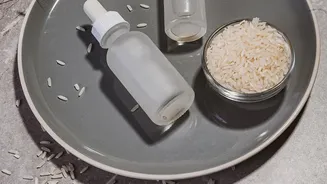
While plain rice water is beneficial, fermenting it for a few days can significantly amplify its power. The fermentation process, which typically takes two to three days at room temperature, enriches the water with even more nutrients and beneficial bacteria. Studies have found that fermenting rice water can increase the concentration of nitrogen, phosphorus, and potassium. The process also lowers the water's pH, making it slightly acidic. This can be particularly beneficial for acid-loving plants like tomatoes, blueberries, and certain flowering plants. Research has shown that fermented rice water, when combined with a half-dose of regular fertiliser, can lead to better growth than using fertiliser alone.
How to Use It Correctly
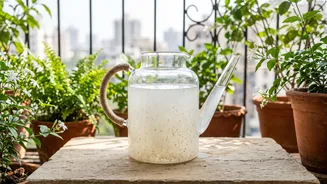
To get the benefits without the potential downsides, proper use is key. Always use water from rinsing uncooked, unsalted rice. Plain rinse water can often be used directly, though diluting it 1:5 with fresh water is a safe practice. For the more potent fermented rice water, dilution is crucial; a ratio of 1:10 with plain water is recommended. Apply the diluted solution to the soil around your plants no more than once a week or every two weeks during the growing season. Overuse can lead to a starchy buildup on the soil surface, which may attract pests like gnats or cause fungal growth. Avoid using it on succulents, which prefer drier conditions.