


More Than Just Coconut and Coastlines
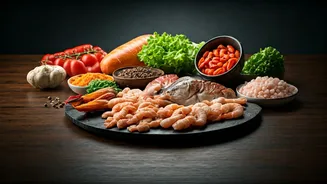
For years, the broader understanding of Keralan food was often simplified to coconut-based curries and fresh seafood. While these are integral, they only scratch the surface of a deeply nuanced and diverse culinary tradition. The cuisine is a vibrant
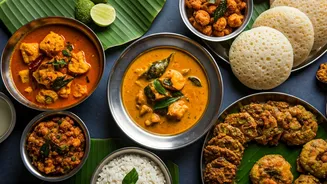
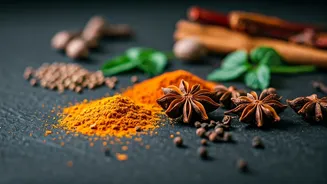
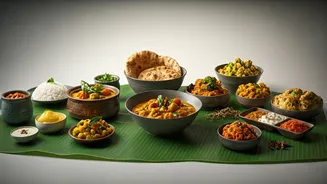
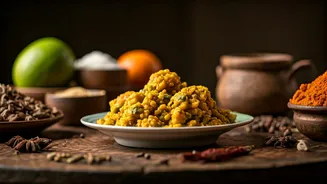
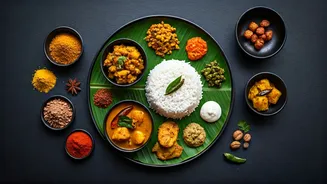
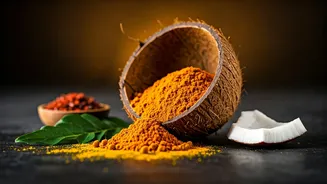
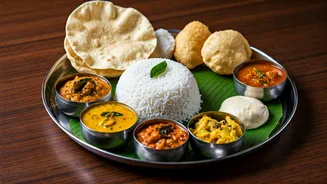
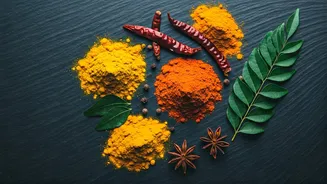
mosaic, reflecting influences from Arab traders, Portuguese colonists, and its own Syrian Christian and Mappila Muslim communities. This results in a spectrum of flavours, from the rich, spice-laden meat dishes of the Malabar region to the delicate, vegetarian Sadya feast, a banquet of up to 28 dishes served on a single banana leaf. The food is characterized by its intelligent use of local spices like black pepper, cardamom, and cloves, souring agents like Malabar tamarind (kudampuli), and, of course, coconut in all its forms—milk, oil, and grated. This complexity, which balances spicy, sour, and savoury notes, is now being recognised by a wider audience tired of monolithic representations of Indian food.
Why Keralan Is the Flavour of 2026
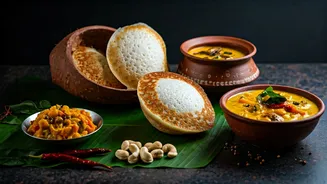
Several converging trends are fuelling Kerala cuisine's moment in the spotlight. Firstly, there's a growing appetite across India for hyper-regional food that tells a story. Diners are moving past the generic "North Indian" and "South Indian" labels, seeking authenticity and new experiences. F&B intelligence platform Datassential even named Keralan food its “Cuisine to Know for 2026”. Secondly, the global wellness trend has shifted towards celebrating traditional, gut-friendly foods. Keralan cuisine, with its emphasis on fermented batters (like in appam), fresh vegetables (in dishes like thoran), and healthful spices, fits perfectly into this narrative. Finally, social media and a new generation of chefs are acting as powerful ambassadors. Chefs like Suresh Pillai have been instrumental in elevating Keralan dishes from home-style comfort food to celebrated culinary creations in cities like Bengaluru, Kochi and even London. This chef-driven push, combined with the cuisine's visual appeal on platforms like Instagram, has created a perfect storm of interest.
The Dishes Dominating the Conversation
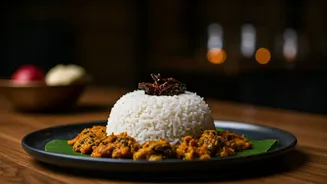
While staples like Appam with stew and Puttu with Kadala Curry remain beloved introductions, the current buzz is also around more specific regional specialties. The Malabar Biryani, distinct for its unique rice and spice blend, is gaining a cult following. Another star is Karimeen Pollichathu, where pearl spot fish is marinated in a spicy masala, wrapped in a banana leaf, and grilled, infusing the fish with a smoky, fragrant aroma. On the vegetarian front, the Sadya continues to be a major point of fascination, not just as a meal but as a complete cultural experience. Dishes like Avial, a mixed vegetable stew in a coconut and yoghurt base, and Theeyal, a rich curry made with roasted coconut, showcase the depth and variety available beyond non-vegetarian fare.
From Food Festivals to Fine Dining
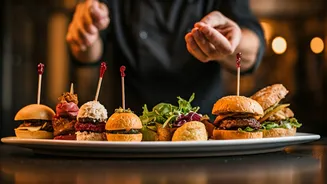
The evidence of this trend is appearing on menus and in new restaurant openings across India's major cities. In Bengaluru, Holiday Inn Bengaluru Racecourse is running a Keralan food festival called 'Kerala Kismet' in June 2026 to meet the city's growing appetite for regional dining. In Mumbai, establishments like Hotel Sunny and Kerala Quarters are drawing crowds for their authentic, wide-ranging menus that go far beyond the basics. This interest isn't just limited to India; modern Keralan restaurants are making waves in the UK and US, with chefs praised for pairing authentic recipes with local produce. These new restaurants and pop-ups are moving beyond the 'canteen' or 'homestyle' tags, presenting Keralan food in contemporary fine-dining and tapas-style formats, proving its versatility and modern appeal.