
The Timeless Allure of Monsoon Comfort
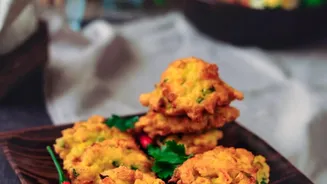
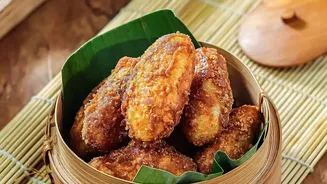
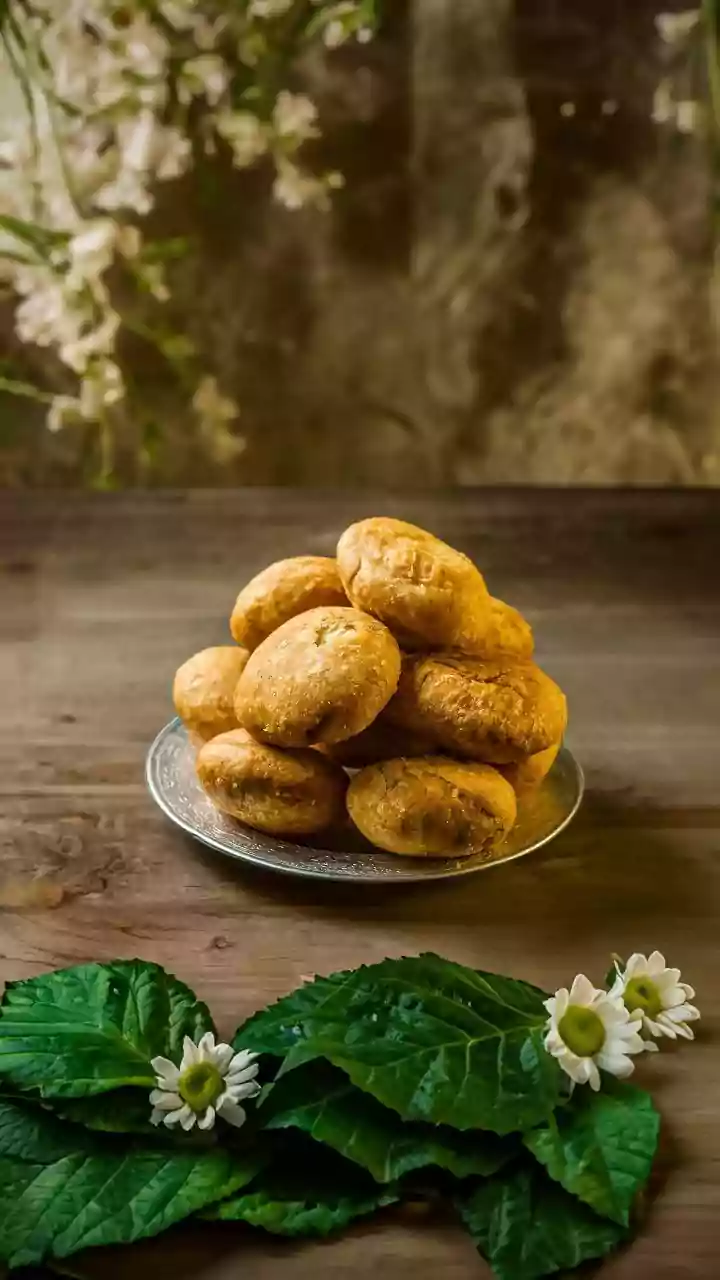
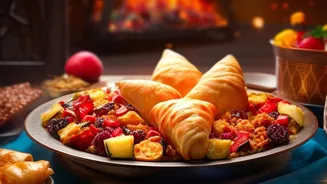
For generations, the monsoon season has been synonymous with a specific culinary catalogue. The craving for a plate of hot onion pakoras, crispy samosas, or a roasted bhutta (corn on the cob) is a deeply ingrained cultural response to the cool, damp weather.
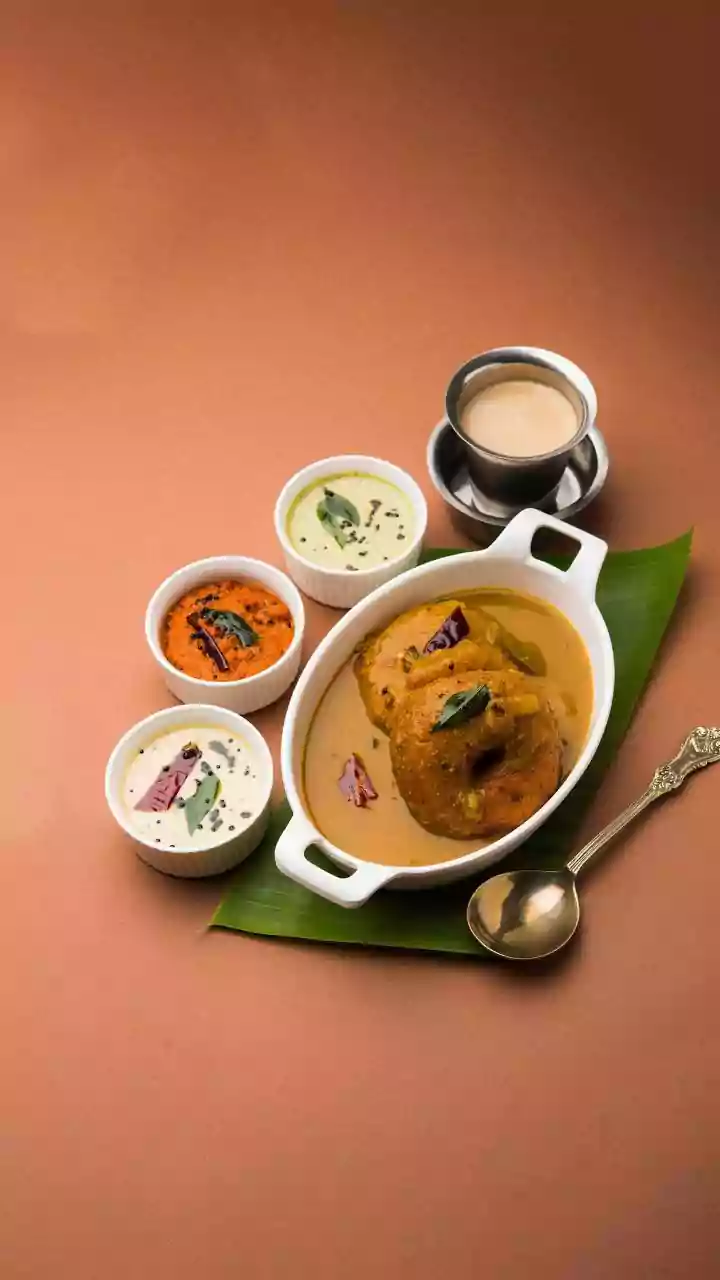
Paired with a steaming cup of masala chai, these snacks are more than just food; they represent comfort, warmth, and a pause from the daily grind. This tradition is rooted in sensory experience—the sound of sizzling oil, the aroma of ginger and spices, and the satisfying crunch that provides a delightful contrast to the gloomy weather outside.
A Feast for the Eyes and Feeds
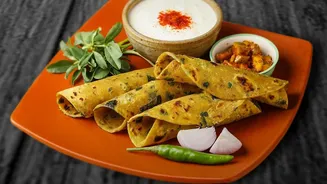
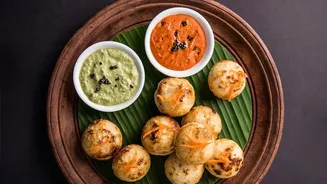
What makes these humble, traditional snacks so popular in the highly visual world of social media? The answer lies in their inherent photogenic and videogenic qualities. Indian food is naturally vibrant, but monsoon treats offer a unique visual narrative. Think of the dramatic steam rising from a cup of tea, the slow-motion sizzle of batter hitting hot oil, or the rustic charm of a bhutta being roasted over an open flame. Platforms like Instagram and YouTube Shorts are filled with short, cinematic videos that capture this entire process, turning a simple snack into an irresistible sensory experience for the viewer. This visual storytelling makes the food relatable and desirable, encouraging people to eat with their eyes first.
Nostalgia as a Shared Experience
Beyond the visual appeal, the digital trend is fuelled by a powerful emotional driver: nostalgia. For many, the taste and smell of a particular monsoon snack can evoke vivid memories of childhood, family gatherings, and simpler times. Social media platforms have become a space to share not just the food itself, but the memories associated with it. When users post pictures of their homemade bhajis or a street vendor's vada pav, they are often sharing a piece of their personal history. This act of sharing creates a collective sense of nostalgia, connecting people through a shared cultural experience and reminding them of the comfort of home.
The Rise of the Home Cook
The trend isn't just being driven by professional food bloggers or high-end restaurants. A significant portion of the content comes from everyday home cooks who are showcasing their family recipes and culinary skills. This has made Indian cooking, particularly these beloved snacks, seem more accessible and achievable. Step-by-step video tutorials for everything from bread pakora to sabudana vada demystify the cooking process, empowering more people to recreate these dishes at home. The authenticity of a home kitchen, as opposed to a polished professional setup, resonates deeply with audiences, fostering a sense of community and shared passion for traditional food.
Beyond the Classics
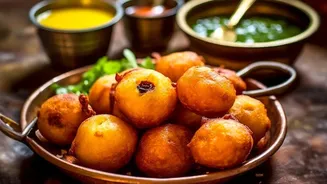
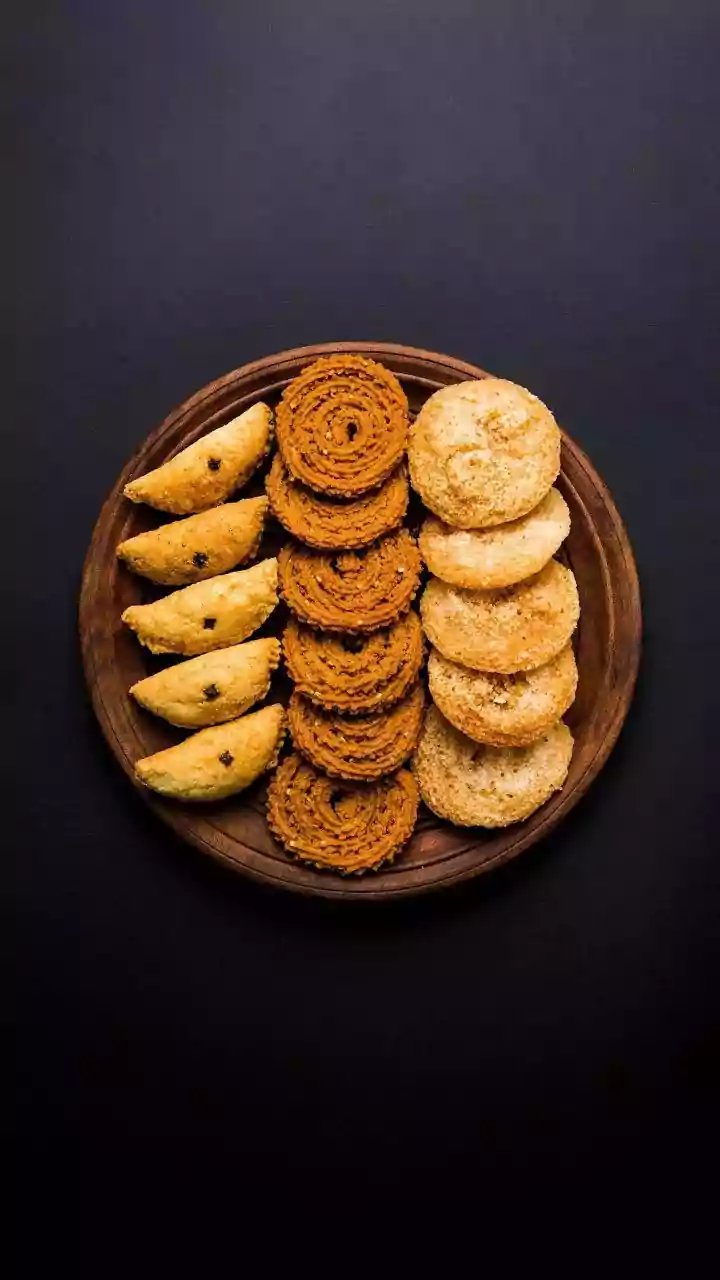
While pakoras and samosas may dominate the feeds, digital platforms are also helping to popularise regional monsoon specialities that were once known only locally. A single viral video can introduce millions to dishes like Kerala's parippu vada (lentil fritters), Bengal's begun bhaja (fried eggplant), or the Telugu states' chegodilu (spiced rice flour rings). This digital discovery is expanding the national palate and creating a richer, more diverse conversation around monsoon cuisine. It highlights the incredible variety within Indian food culture, proving that for every rainy day, there is a perfect regional snack waiting to be enjoyed.