

What is Root-to-Stem Cooking?
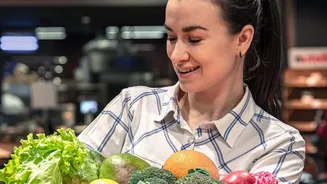
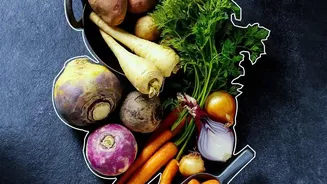
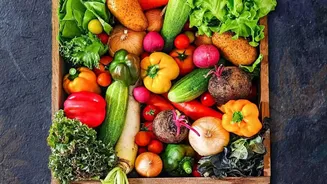
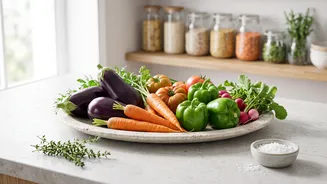
Root-to-stem cooking is a culinary philosophy that encourages using every edible part of a vegetable, from the leaves and peels to the stalks and seeds. For generations, many cultures have intuitively practised this out of necessity and respect for food.
Today, it's being rediscovered as a modern strategy for sustainability. Instead of trimming and tossing parts of the plant traditionally considered 'scraps', this method finds delicious and creative ways to incorporate them into meals. It's the plant-based equivalent of the 'nose-to-tail' philosophy used for meat, aiming to honour the entire ingredient and minimise what ends up in the bin.
The Nutritional Powerhouse You're Tossing
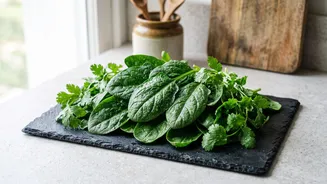
Those discarded peels, stems, and leaves are often nutritional goldmines. Many vegetable peels contain a high concentration of vitamins, fibre, and antioxidants. For instance, potato skins are loaded with potassium and iron, while broccoli stems offer a fantastic source of vitamin C and fibre. The leafy green tops of beets and carrots, frequently chopped off and thrown away, are packed with vitamins A, C, and K. By throwing these parts away, we not only create waste but also lose out on a significant nutritional boost that is completely free. Incorporating them into your diet is a simple way to get more vitamins and minerals from the food you already buy.
Slashing Waste, Saving Money
In India, household food waste is a significant issue, with an estimated 50 kg of food wasted per person annually. This contributes to landfills and the emission of potent greenhouse gases. Adopting a root-to-stem approach directly tackles this problem at home. By using the whole vegetable, you get more out of your groceries, effectively stretching your food budget. Think of it this way: if you use the broccoli stems for a stir-fry and the florets for a roast, you've created value from a part you might have otherwise discarded. On World Food Day, which focuses on innovating for a well-nourished future, this simple change in habit is a practical step toward a more responsible and sustainable food system.
Simple Ways to Start Today
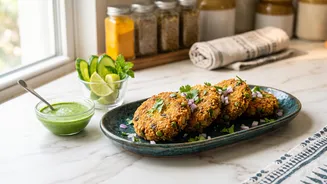
Getting started with root-to-stem cooking doesn't require complex skills or equipment. You can begin with a few easy habits. Keep a bag in your freezer for onion skins, carrot peels, celery ends, and herb stems. Once it’s full, simmer them in water to create a flavourful, nutrient-rich vegetable broth for soups and curries. Don't peel your potatoes or carrots; just give them a good scrub before roasting or boiling to retain the skin's nutrients. Tougher stems from broccoli or cauliflower can be peeled, chopped, and roasted or blended into soups. The leafy tops of carrots and beets can be turned into a zesty pesto or chimichurri, or simply sautéed with garlic as a side dish. Even citrus peels can be candied or used to infuse oils and vinegars, adding flavour where there was once only waste.