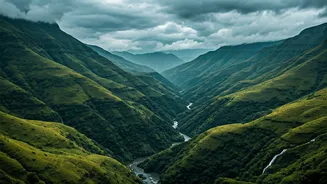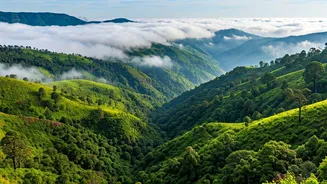






A Landscape Reimagined by Rain
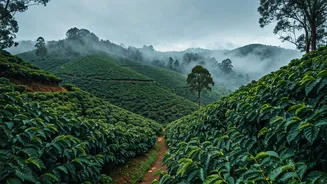
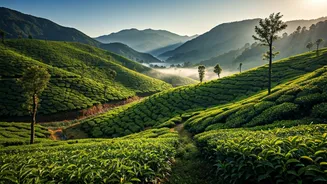
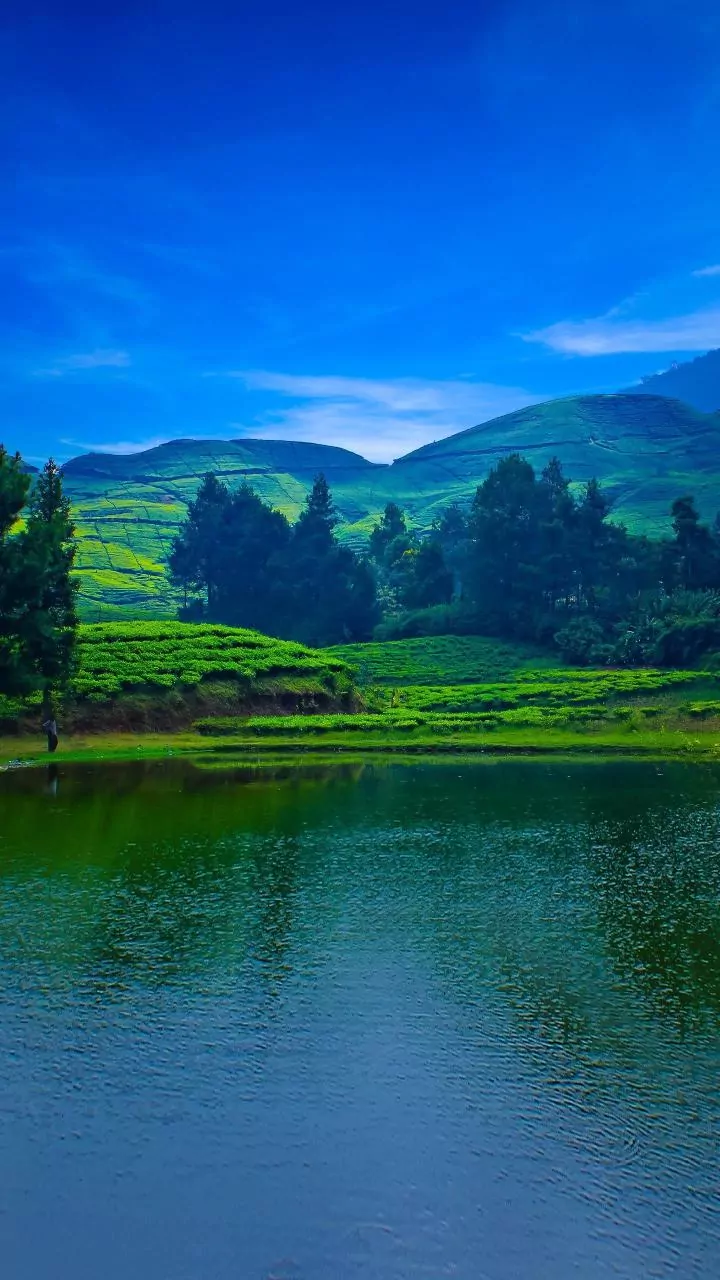
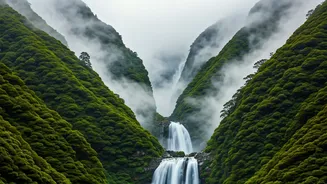
The arrival of the southwest monsoon transforms Coorg and Sakleshpur dramatically. Gone are the dry, sun-baked hills of summer; in their place are countless shades of vibrant green. The region receives heavy rainfall between June and September, turning
the coffee and spice plantations into lush, fragrant wonderlands. The air is cool and heavy with mist, often reducing visibility but creating a cinematic and mysterious atmosphere perfect for photographers and nature lovers. This is the season when life slows down, inviting visitors to embrace a more relaxed pace, perhaps from the veranda of a homestay with a cup of fresh coffee.
Navigating the Journey: Road Conditions & Advisories
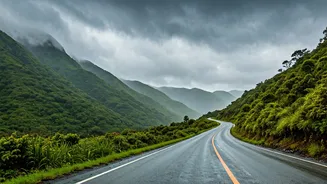
Traveling to these hill stations during the monsoon requires caution. While the drive, particularly the 220-kilometre stretch from Bengaluru to Sakleshpur, is scenic, the ghat sections can be treacherous. Recent weather alerts from the India Meteorological Department (IMD) have warned of heavy rainfall, which can make roads slippery and increase the risk of landslides on key routes like Shiradi Ghat (NH-75) and Charmadi Ghat. Authorities advise drivers to be extremely cautious, check for local advisories before starting, and avoid night travel due to fog and poor visibility. In some cases, alerts have recommended reconsidering travel until conditions stabilise. Ensure your vehicle's tyres, wipers, and fog lights are in excellent condition.
What's Open? Monsoon-Ready Activities
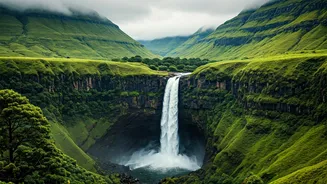
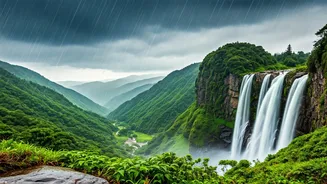
While heavy rains might limit some activities like extensive trekking, many of the region's main attractions are at their absolute best. Waterfalls like Abbey Falls, Iruppu Falls, and Mallalli Falls are in their full, thundering glory. Viewpoints such as Raja's Seat in Madikeri may not offer clear sunsets, but they provide spectacular views of mist-filled valleys. Scenic drives through the ghats are an experience in themselves. For those seeking adventure, the rain-slicked trails of Sakleshpur offer thrilling off-roading opportunities for 4x4 enthusiasts. Indoor and sheltered activities, like visiting the Namdroling Monastery in Bylakuppe or exploring Madikeri Fort, are excellent options for rain-heavy days.
Embracing the Treks (with a Pinch of Salt)
Trekking in the monsoon is a unique experience, with trails leading through cloud-covered forests and sparkling flora. However, many official trekking routes may be temporarily closed for safety, especially during heavy downpours. If you do venture out, it's crucial to go with a local guide who knows the terrain and can navigate away from dangerous areas. The biggest nuisance on these wet trails are leeches. These bloodsuckers are a common sight in the Western Ghats during the monsoon. While their bite is harmless, it can be unnerving. The experience is an unavoidable part of the monsoon adventure in these parts.
Your Monsoon Packing Essentials
Packing smart is key to enjoying a monsoon trip. A reliable raincoat and umbrella are non-negotiable. Opt for quick-drying synthetic clothing over cotton. Sturdy, waterproof footwear with excellent grip is essential for navigating slippery paths. To deal with leeches, consider carrying leech socks, which are long socks that can be tied below the knee, or a simple mix of salt and water or antiseptic lotion in a spray bottle. Also, pack a waterproof bag for your electronics, a power bank for potential outages, and a basic first-aid kit with antiseptic to clean any leech bites. The wound may bleed for a while due to the leech's anticoagulant, but cleaning it and keeping it dry is usually sufficient.