
A New Strategy for an Ancient Land
Rajasthan's iconic cities are grappling with the pressures of mass tourism. In response, the state government is widening its focus to promote emerging destinations that offer a more diverse and authentic experience. In a recent address, tourism secretary
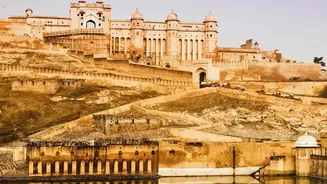
Suchi Tyagi confirmed a strategic push to position Rajasthan as a destination with a wide array of experiences beyond its famous forts and palaces. This initiative aims to make the state a year-round attraction by developing new circuits that complement the well-trodden paths of Jaipur, Udaipur, and Jaisalmer. By championing places like Bundi, Shekhawati, and Banswara, the goal is to distribute tourist footfall more evenly, create new economic opportunities for local communities, and preserve the charm of its heritage sites.
Bundi: An Authentic Alternative
Nestled in the Aravalli hills, Bundi offers a refreshing contrast to the state's bustling tourist centres. Often called 'Chhoti Kashi' or the 'blue city', its narrow, walkable lanes, Brahmin-blue houses, and relaxed pace feel a world away from commercialised tourism. Unlike its larger neighbours, Bundi has largely retained its old-world character, allowing visitors to experience a seamless blend of local life and magnificent history. It's a town that rewards slow travel, inviting exploration of its decaying but beautiful palaces, ancient stepwells, and vibrant bazaars without the pressure of a packed itinerary. This authentic atmosphere is precisely what makes it a key player in Rajasthan's new tourism vision.
The Imposing Taragarh Fort
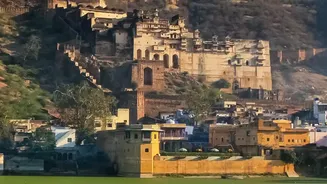
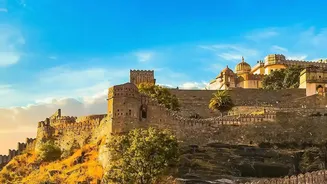
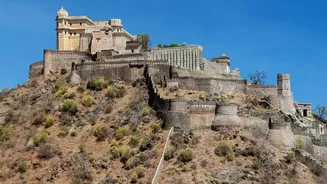
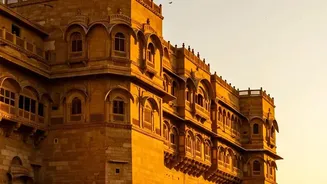
Dominating the skyline, the Taragarh Fort, or 'Star Fort', is Bundi's most formidable landmark. Built in 1354, this massive fortress is a prime example of pure Rajput architecture, with little to no Mughal influence. Though parts of it are now in a state of romantic decay, its grandeur is undeniable. Climbing its steep paths rewards visitors with panoramic views of the entire city. The fort complex houses several impressive features, including massive water reservoirs designed to withstand long sieges and the Bhim Burj, a large bastion that once housed a legendary cannon known as 'Garbha Gunjan' or 'Thunder from the Womb'. Exploring its gateways and ramparts offers a tangible connection to the region's martial history.
A City of Spectacular Stepwells
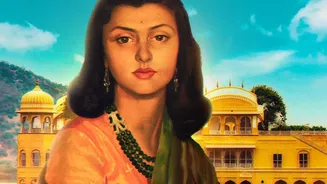
Bundi is renowned for its more than 50 'baoris', or stepwells, marvels of medieval engineering built to provide water and serve as social gathering places. The most celebrated of these is Rani ji ki Baori (the Queen's Stepwell), constructed in 1699 by Rani Nathavati Ji. This 46-metre-deep structure is a multi-storeyed wonder, adorned with intricate carvings, a grand arched gate, and stone elephant statues guarding its corners. Once a vital community hub, it stands today as a testament to the architectural and artistic prowess of the era. These stepwells are not just historical relics; they are fundamental to Bundi's identity and a key part of its unique heritage appeal.
The Whispering Walls of Garh Palace
Adjacent to the Taragarh Fort is the Garh Palace, a sprawling complex of palaces built over several centuries. A quote often attributed to Rudyard Kipling suggests the palace seems like the work of goblins rather than men, a structure built in uneasy dreams. While many Rajput palaces are made from sandstone, Bundi's was built using a hard, local green-tinged stone. This made fine carving difficult, so rulers chose to cover the walls and ceilings with exquisite miniature paintings instead. The highlight is the Chitrashala, an 18th-century gallery where the walls are covered in the distinctive Bundi School of painting. These murals, depicting scenes from mythology and royal life, are remarkably well-preserved and offer a vivid glimpse into the region's artistic soul.