

The Healthier Crunch You Crave
The central promise of an air fryer is achieving that satisfying crunch with a fraction of the oil. The claim of cutting oil by 80 percent is a significant one, and largely achievable. While a deep fryer submerges food in cups of oil, an air fryer circulates
superheated air, requiring only a light spray or a tablespoon of oil to facilitate the crisping process. This drastically reduces the overall fat and calorie content of the finished snack, transforming pakoras from an occasional indulgence into a more regular, guilt-free treat. The technology works by creating a Maillard reaction, the same process that browns and flavours deep-fried foods, but without the need for submersion in fat. This means you get the flavour and a comparable texture, making it a genuinely healthier way to enjoy a beloved classic.
But Do They Taste the Same?
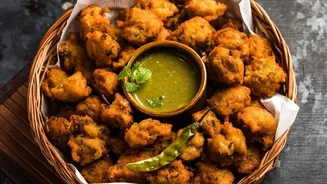
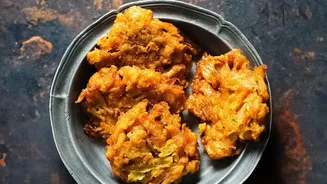
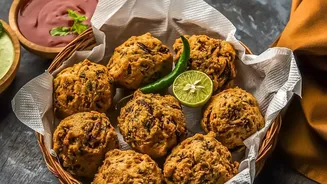
This is the most important question for any pakora purist. The honest answer is no, they are not identical—but they are delicious in their own right. Air-fried pakoras deliver a satisfying crispness and the familiar, spicy flavours of the batter and vegetables. The texture is slightly different; you may not get the same airy, puffy quality of a fritter that has expanded rapidly in hot oil. However, what you do get is a golden, crunchy exterior and a perfectly cooked, tender interior without the greasiness or heaviness of their deep-fried counterparts. Many find this trade-off more than acceptable, especially for a snack you can make quickly and with minimal cleanup.
Your Guide to Perfect Air-Fried Pakoras
Success with air-fried pakoras comes down to technique. Traditional recipes often need a few adjustments. First, the batter must be thicker than what you would use for deep-frying; a runny batter will simply drip through the basket and fail to form a crust. It should be a sticky paste that clings firmly to the vegetables. Second, do not overcrowd the basket. Pakoras need space for the hot air to circulate and crisp up all sides. Cooking in a single layer, in batches if necessary, is crucial for avoiding soggy results. Preheat your air fryer, and don't be shy with an oil spray on both the basket and the pakoras themselves. A typical cooking time is around 10 to 15 minutes at 180°C to 200°C, flipping the pakoras halfway through and giving them another light spray of oil to ensure even browning.
Mastering the Batter
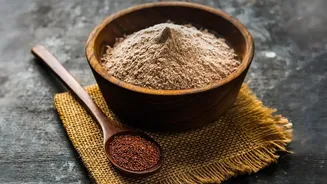
The batter is where you can truly customise your pakoras. The base is almost always besan (gram flour), but adding a tablespoon of rice flour can provide extra crispiness. For the classic onion pakora, slicing the onions thinly, salting them, and letting them rest for about 10 minutes helps draw out water. This moisture can then be used to help bind the flour, reducing the need for additional water and resulting in a crispier final product. Incorporate your favourite spices like ajwain (carom seeds), turmeric, red chilli powder, and fresh coriander. Remember, the goal is a thick, scoopable mixture, not a liquid batter. If it feels too wet, add a little more besan until it holds its shape.
Beyond the Pakora: Regional Fritters Reimagined
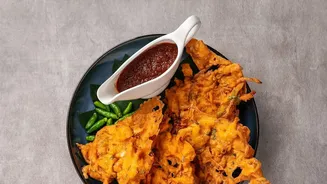
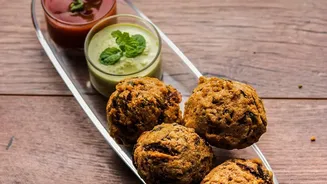
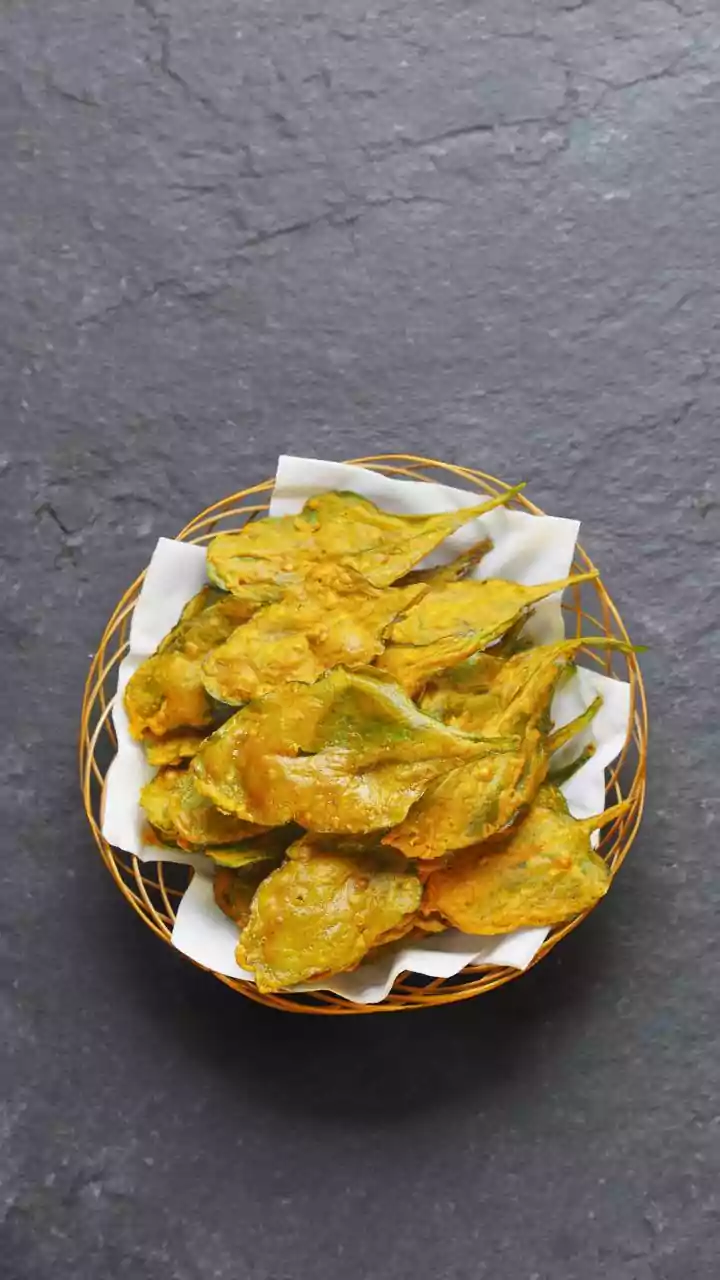
The beauty of this technique is that it applies to a wide world of Indian fritters. You can adapt recipes for Gobi Pakora by using cauliflower florets, ensuring they are coated well in a thick batter. South Indian snacks like Medu Vada can be made by piping the batter into shape on parchment paper and carefully transferring it to the air fryer. Bolder items like Paneer Pakora, where cubes of paneer are coated in batter, also work beautifully, becoming golden and delicious after about 10-12 minutes. Even corn pakoras and mixed vegetable fritters with cabbage, potato, and spinach are excellent candidates for this healthier cooking method. The key is always to maintain a thick batter and not overcrowd the basket.