




The Green Renaissance in Our Kitchens
Not long ago, the freshest herbs in an urban kitchen came from the vegetable vendor or a plastic packet. Today, a growing number of us are finding that the best flavours are just a snip away. The humble home herb garden is experiencing a powerful revival,
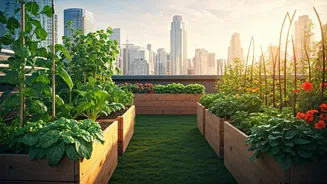
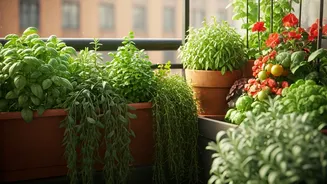
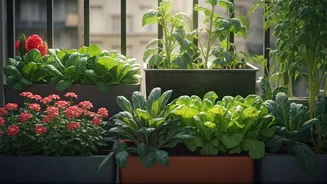
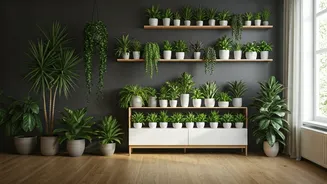
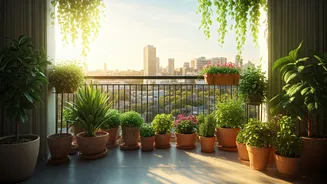
transforming balconies, windowsills, and countertops into miniature green sanctuaries. This isn't just about gardening; it's a lifestyle shift. Driven by a post-pandemic desire for healthier habits, a deeper connection to what we eat, and the simple joy of nurturing life, Indians are rediscovering a tradition our grandparents knew well: the power of homegrown flavour.
More Than Just a Garnish
The comeback of the herb garden is rooted in benefits that go far beyond the plate. For city dwellers, it’s a powerful antidote to the concrete jungle—a small patch of living green that reduces stress and boosts mood. The act of tending to a plant, of watching a seed sprout and grow, is a mindful practice in a world of constant digital noise. There’s also a strong appeal to sustainability and self-sufficiency. Growing your own pudina for chutney or tulsi for tea eliminates plastic packaging, reduces food miles, and ensures you have a fresh, pesticide-free supply at your fingertips. It’s a small but tangible step towards a more conscious way of living.
The Indian Kitchen Garden, Reimagined
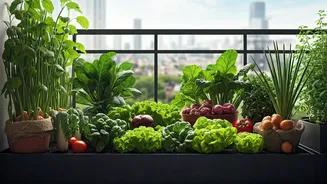
What makes this trend so compelling in India is how seamlessly it integrates with our culinary traditions. We’re not just talking about basil for pasta or rosemary for roasts. We are talking about the essential flavours of our daily cooking. Imagine plucking a few curry leaves (kadi patta) for a tadka, crushing fresh mint leaves for a summer cooler, or having a constant supply of coriander (dhania) to garnish a dal. These aren't exotic herbs; they are the soul of our food. The new-age herb garden is about making these staples hyper-local and accessible, even in a high-rise apartment with limited space. It’s a modern take on a timeless practice.
Your Windowsill Starter Guide
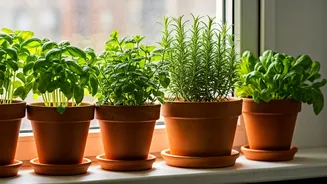
Convinced but don't know where to start? It's easier than you think. You don’t need a sprawling garden, just a little bit of light and enthusiasm.
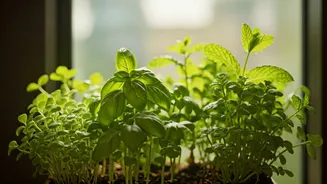
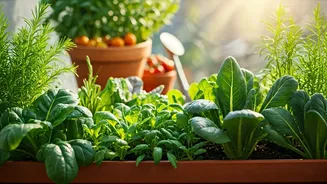
1. Pick Your Champions: Start with the easy wins. Mint (pudina) is famously vigorous and thrives in pots. Holy Basil (tulsi) is a must-have in many Indian homes and is perfectly happy on a sunny windowsill. Coriander (dhania) can be grown for quick harvests, and a chilli plant can provide you with fresh spice for months.
2. Location, Location, Location: Most herbs love sunlight. A balcony or window that gets at least 4-6 hours of direct sun is ideal. If your home is shadier, mint and parsley are more forgiving.
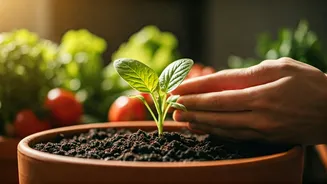
3. Get the Right Home: Choose pots with drainage holes at the bottom—this is non-negotiable, as soggy roots are a plant's worst enemy. A well-draining potting mix, available at any local nursery, is your best bet for healthy plants.
4. Water Wisely: The biggest mistake beginners make is overwatering. A good rule of thumb is to stick your finger about an inch into the soil. If it feels dry, it's time to water. If it’s damp, wait another day.
From Pot to Plate
The real magic happens at harvest. The joy of snipping off a few leaves you grew yourself and adding them to a meal is incredibly rewarding. Start using your herbs to encourage more growth. Regular pruning makes most herbs bushier and more productive. Make a fresh mint chutney, brew a calming tulsi tea, or simply tear some curry leaves into your poha. This final step is what closes the loop, turning your small gardening effort into a delicious and satisfying lifestyle upgrade. You’re not just growing plants; you’re cultivating flavour and well-being.