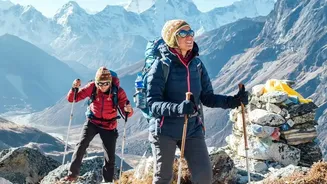




Monitor Weather and Official Alerts Relentlessly
Himalayan weather is notoriously unpredictable, especially during monsoon when conditions can shift from sunny to severe in minutes. Before you leave, and every morning of your trek, check forecasts from the India Meteorological Department (IMD). More
importantly, consult the Uttarakhand State Disaster Management Authority portal for real-time updates on weather alerts, road closures, and landslide warnings. Heavy rainfall has recently caused significant disruptions, blocking over 100 roads and damaging trekking routes. Authorities often issue travel restrictions and prohibit trekking on certain paths for safety. Heeding this official advice is non-negotiable.
Choose Your Trail Wisely
Not all trekking routes are safe during the monsoon. Many popular trails are officially closed due to risks like landslides and flash floods. High-risk trails often involve steep ascents, narrow gullies that can become water channels, or numerous river crossings. For a safer long weekend, opt for lower-altitude treks with well-defined paths and good drainage. Trails like Nag Tibba, located near Mussoorie, and Dayara Bugyal are often recommended for the rainy season as they are less prone to severe landslides and have stable, forested paths. Avoid trails known for flash floods or those that follow riverbeds closely.
Pack Smart, Not Just Heavy
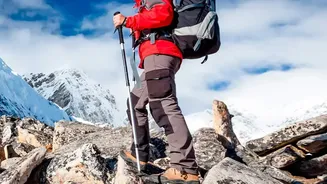
The right gear is your first line of defense against the elements. Your packing list must be monsoon-specific. A high-quality waterproof rain jacket or poncho is essential, as are waterproof trekking shoes with excellent grip to handle slippery, muddy trails. Pack multiple pairs of socks, including waterproof ones, to keep your feet dry and prevent blisters. Use a rain cover for your backpack and pack electronics, clothes, and other essentials in separate dry bags or plastic bags inside your rucksack. Quick-drying clothes are far better than cotton, which stays wet and can lower your body temperature.
Prioritise Acclimatisation and Health
Even on a short trek, high altitude can be a serious issue. Acute Mountain Sickness (AMS) can affect anyone above 2,400 metres, with symptoms like headaches, nausea, and dizziness. The wet and humid monsoon conditions can be more physically draining, so proper acclimatisation is crucial. Plan an itinerary that allows for gradual ascent and don't push yourself too hard. Stay hydrated by drinking plenty of water, but avoid consuming water directly from streams, which can carry contaminants. Carry a well-stocked first-aid kit with basics for cuts, blisters, pain, and stomach issues, along with any personal medications, insect repellent, and water purification tablets.
Hire a Certified Local Guide
For monsoon trekking, a guide is not a luxury; it's a necessity. Local guides possess invaluable knowledge of the terrain, weather patterns, and safe routes. They can identify landslide-prone zones, know which streams are safe to cross, and are trained in emergency procedures. Given that trails can be washed away or become unrecognisable after heavy rain, their expertise in navigation is critical. Travelling with a certified guide or a reputable agency significantly reduces the risks associated with solo trekking and ensures you have support if conditions worsen unexpectedly.
Know Your Emergency Protocols
Preparation means being ready for the worst-case scenario. Always inform a reliable contact back home of your detailed itinerary and expected return time. Save emergency contact numbers, including the local police and State Disaster Response Force (112), on your fully charged phone. Carry a power bank. Be aware of the signs of a flash flood, such as a sudden rise in water level or the water turning muddy. If you see this, move to higher ground immediately. During an electrical storm, stay off exposed ridges and avoid tall trees. The most important rule is to be flexible; if conditions become dangerous, be prepared to turn back.