





Why Re-Think White Rice?
Polished white rice is a familiar comfort, but its journey to our plate strips it of essential nutrients. The milling process removes the bran and germ, which contain most of the fiber, vitamins, and minerals. What’s left is primarily starch, which can
cause rapid spikes in blood sugar. While it provides quick energy, it often leads to a subsequent crash and offers very little dietary fiber. A diet heavily reliant on refined grains can contribute to digestive issues and challenges in managing blood sugar levels over time. Making a conscious choice to diversify our grains is not about demonizing rice, but about upgrading our nutrition.
Meet Your Millet Champions
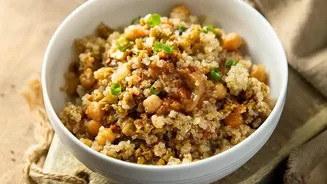
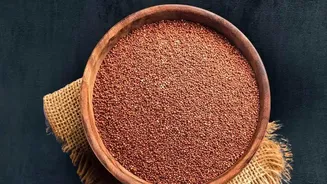
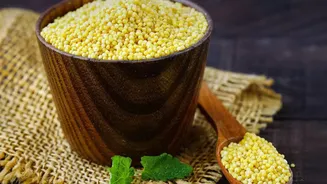
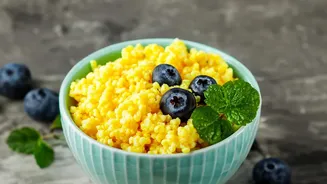
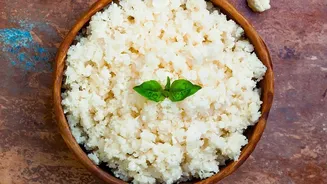
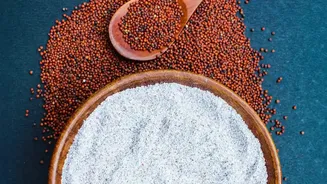
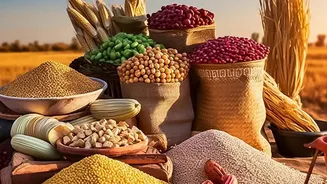
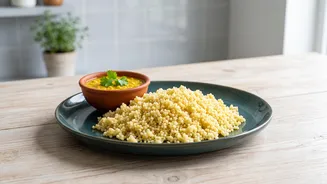
Two of the easiest and most beneficial millets to start with are foxtail millet (kangni/thinai) and sorghum (jowar). Foxtail millet is a small, yellowish grain that cooks up light and fluffy, making it an almost seamless replacement for rice. It is packed with protein, dietary fiber, and essential minerals like iron and calcium. Sorghum, a slightly larger and chewier grain, is a nutritional powerhouse in its own right. It's rich in antioxidants, plant-based protein, and minerals like magnesium and phosphorus that support bone health. Both are naturally gluten-free and have a significantly lower glycemic index than white rice, meaning they provide more sustained energy.
The Powerful Health Perks
Making the switch from polished rice to these high-fiber millets brings a wealth of benefits. The abundant dietary fiber promotes healthy digestion, aids regular bowel movements, and feeds beneficial gut bacteria. This fiber also helps you feel full for longer, which can assist in weight management. For those managing blood sugar, this swap is a game-changer. The complex carbohydrates in foxtail millet and sorghum are broken down slowly, preventing sharp spikes in blood glucose and promoting better insulin sensitivity. Furthermore, their rich mineral content supports everything from heart health by helping to manage cholesterol and blood pressure to stronger bones and a more robust immune system.
Hack 1: Perfect Fluffy Foxtail Millet
The secret to making foxtail millet a perfect rice substitute lies in the preparation. Start by rinsing one cup of millet thoroughly under cold water. Soaking is key: let it sit in water for at least an hour, or even up to 5-6 hours, to soften the grains and ensure an even texture. After soaking, drain the water. In a pot, bring two to two-and-a-half cups of fresh water to a boil. Add the drained millet and a pinch of salt. Once it boils, reduce the heat to a low simmer, cover the pot, and cook for about 15-20 minutes, or until all the water is absorbed. Turn off the heat and let it rest, covered, for another 10 minutes. This final step allows the grains to steam and fluff up perfectly. Use a fork to gently separate the grains before serving with your favourite dal, curry, or sambar.
Hack 2: Delicious and Versatile Sorghum
Sorghum has a chewier texture and a mild, nutty flavour, making it a wonderful addition to pulaos, khichdis, and grain salads. Cooking whole grain sorghum takes a bit longer, so planning is helpful. Rinse one cup of sorghum grains well. In a saucepan, combine the sorghum with three to four cups of water or broth and bring to a boil. Reduce the heat to a simmer and cook, partially covered, for 45 to 60 minutes, or until the grains are tender but still have a pleasant chew. Unlike rice, you may need to drain off some excess water at the end. For a quicker meal, you can cook a larger batch in advance and store it in the fridge for a few days, adding it to stir-fries or stews as needed.
Making the Switch Simple and Sustainable
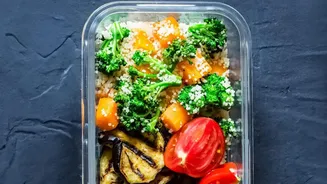
You don’t have to go all-in at once. Start by replacing rice with millets for just one meal a day, or even a few times a week. Another great trick is to start with a mix, combining half rice and half foxtail millet in the same pot and cooking them together. This helps your palate adjust gradually. You can also incorporate millets into other meals. Use sorghum flour to make cheelas for breakfast or add cooked foxtail millet to your vegetable pulao or khichdi for an instant nutritional boost. The goal is progress, not perfection.