

The Rise of the 'Event-cation'
A fundamental shift is underway in how young Indians approach travel. No longer content with a quick trip for a single purpose, a growing number of travellers are strategically combining events with extended holidays. This trend, known as an 'event-cation',
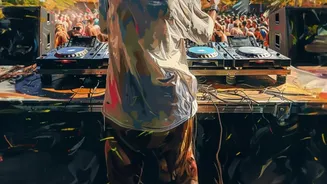
involves planning a trip around a specific draw—like a music festival, a major cricket match, or a cultural gathering—and then using it as a launchpad to explore the destination for several extra days or even a week. Data shows that this is a significant movement; one survey revealed that 53% of young Indian concert-goers extend their stay to explore the destination after the event. It reflects a move towards experience-led travel, where the event is the anchor, but the overall journey is about deeper, more immersive discovery.
What's Driving This New Travel Mindset?
Several factors are fuelling this trend. The post-pandemic era has instilled a greater desire for meaningful experiences over material goods. Many young professionals now have flexible or remote work arrangements, making it easier to blend work and leisure. This 'workation' culture allows them to extend a trip without taking extensive leave. There’s also a strong economic logic at play. By combining an event trip with a holiday, travellers save on the cost of a separate flight and other transport expenses, effectively getting two trips for the price of one. This budget-consciousness is crucial for a generation that prioritises travel but is also financially savvy. Furthermore, many are seeking to combat the burnout of modern work culture with more frequent, restorative breaks.
From Concerts to Cultural Exploration
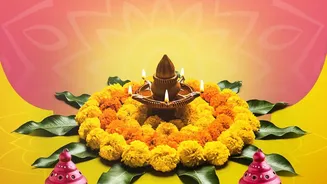
The examples of this trend are widespread. A trip to Mumbai for Lollapalooza might now include an additional week exploring the city's food scene or relaxing on the beaches of nearby Alibaug. Similarly, a sports fan travelling to Dharamshala for a cricket match might extend their stay to go trekking in the Himalayas. It’s not just limited to music and sports. Regional cultural festivals are also becoming major travel drivers. Young people are planning holidays around events like the Durga Puja in Kolkata or Diwali in Varanasi, using the festive period to connect with culture and family before embarking on further exploration. According to one report, 76% of Gen Z travellers said they visited a city for the first time specifically for a concert or festival, highlighting how these events are introducing them to new destinations.
A Smarter Way to See the World
This trend is about more than just convenience; it represents a smarter, more efficient approach to travel. It allows for 'slow travel', where visitors can move beyond the main tourist attractions and connect with a place on a deeper level. By staying longer, travellers can explore local neighbourhoods, support small businesses, and have more authentic cultural exchanges. This approach is amplified by social travel patterns, with around 70% attending events with friends, turning solo trips into group explorations of a new city. The hospitality industry is taking note, with hotels and homestays seeing a spike in bookings around major events. These establishments are also beginning to offer amenities that cater to this blended travel style, such as reliable Wi-Fi for remote work alongside curated local experiences.