


An Unstable Dam in the Mountains
The immediate, most urgent threat comes from what the first disaster left behind. The catastrophic flood on August 26, which killed over 160 people and left hundreds missing, was likely triggered by a massive ice and rock avalanche near the Nepal-Tibet
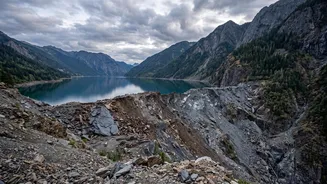
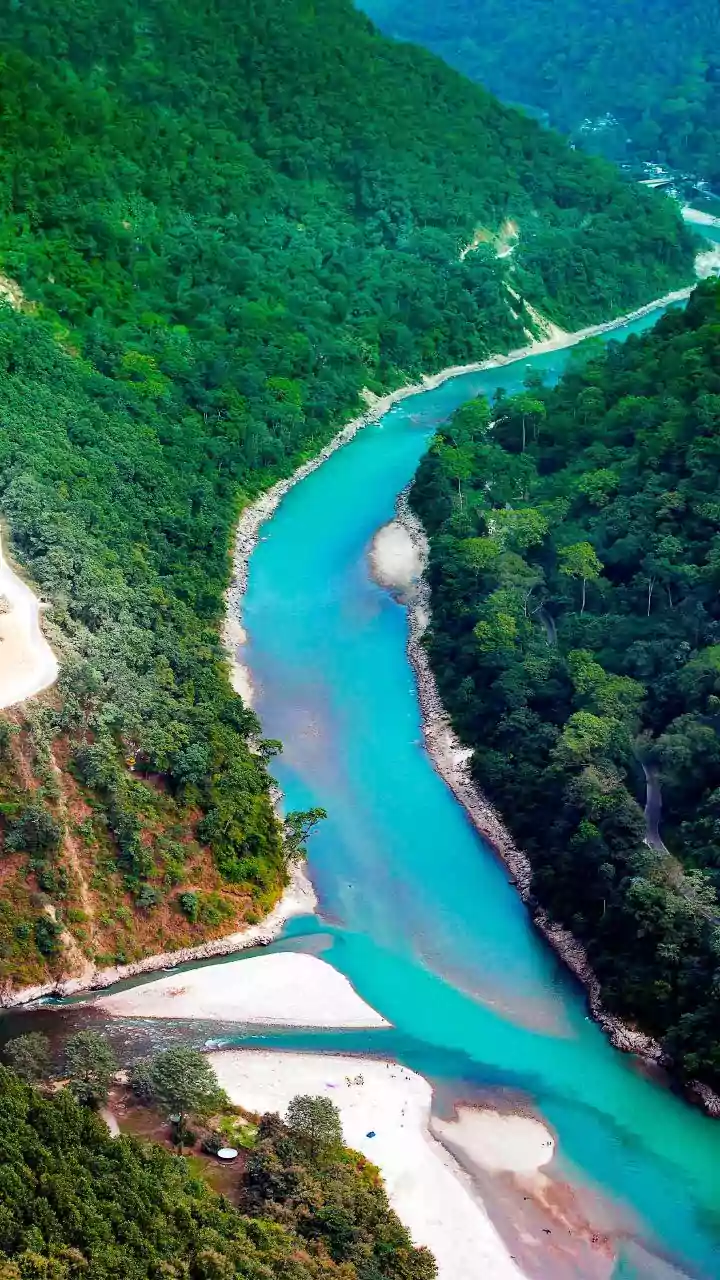
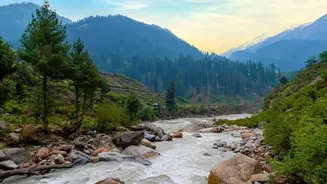
border. This avalanche blocked the Lhende Khola river, a tributary of the Bhote Koshi, creating a temporary, unstable dam. While the initial breach of this dam caused the deadly surge, authorities have warned that another blockage remains upstream. This precarious natural dam could give way at any moment, releasing a second devastating wave of water and debris into the same valleys that are still reeling from the first, keeping communities on high alert.
The Menace of Melting Glaciers
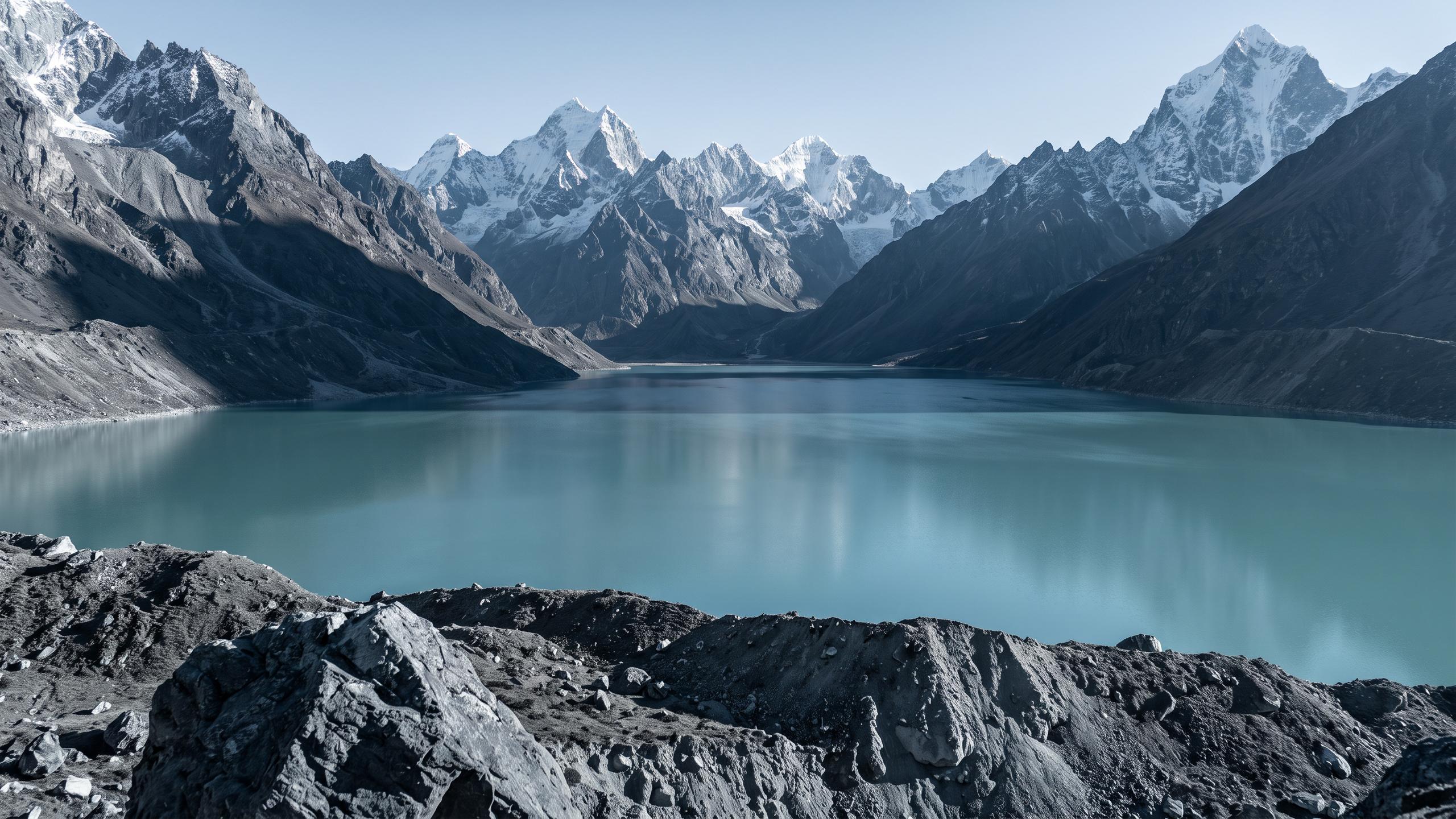
This recent disaster underscores a growing and long-term risk: Glacial Lake Outburst Floods (GLOFs). As climate change warms the Himalayas at an accelerated rate, glaciers are melting and forming vast lakes, often held back by nothing more than loose rock and soil called moraine. These moraine dams can fail with little warning, triggered by an avalanche, an earthquake, or even just the pressure of the water itself, releasing an 'inland tsunami'. Nepal has dozens of such potentially dangerous glacial lakes. The August 26 event, which was not caused by rainfall, behaved exactly like a GLOF, highlighting the region's extreme vulnerability to hazards originating in the high mountains.
Saturated Ground and Landslide Risk
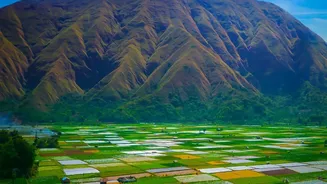
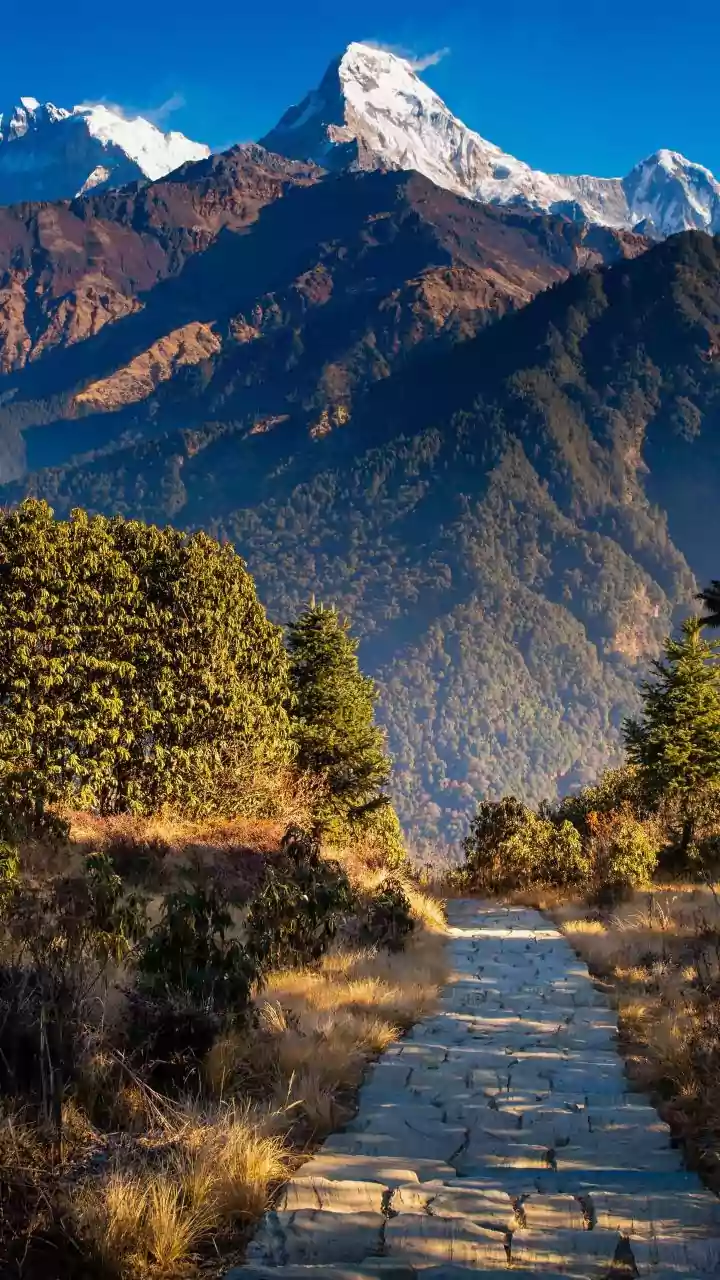
Even without a dramatic glacial outburst, the threat persists on the ground. The annual monsoon season saturates Nepal's steep, fragile hillsides. This makes them highly susceptible to landslides, which can occur long after the heavy rains have stopped. These landslides can block roads and, more dangerously, dam smaller rivers. When these temporary blockages eventually break, they can cause localized but deadly flash floods. This 'cascading risk,' where one disaster triggers another, is a constant feature of Nepal's geography. The country's extreme topography, which drops from the world's highest peaks to flat plains in a short distance, means that water and debris can travel at terrifying speeds.
The Downstream Danger for India
What happens in Nepal does not stay in Nepal. The rivers that were flooded, the Bhote Koshi and Trishuli, are part of the Gandak river system which flows directly into India. Following the recent surge, authorities in Bihar had to open all 36 gates of the Gandak Barrage at Valmikinagar to manage the massive inflow of water. The Indian government is closely monitoring the situation, concerned about the impact on border states, particularly Bihar and Uttar Pradesh. This cross-border dimension is critical; the disaster has affected hundreds of Indian pilgrims who were in the region for the Kailash Mansarovar Yatra, with many reported missing. The event serves as a stark reminder of how shared river systems create shared vulnerabilities, making cross-border cooperation on early warning systems more crucial than ever.