




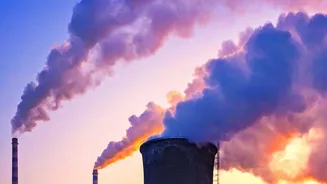
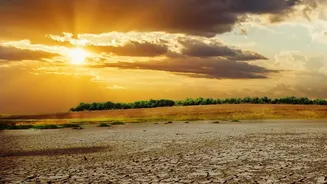
A stark new United Nations report confirms what many have feared: the window to keep global warming below the 1.5°C threshold is effectively closed. Decades of insufficient action mean the world is now facing an 'unavoidable' temperature overshoot.
A Halt in Climate Progress
According
to the latest findings discussed as leaders meet for the COP31 climate conference in Antalya, Türkiye, global efforts to combat climate change have stagnated. An independent analysis by Climate Action Tracker, released during the conference, reveals that collective climate action has stalled for five consecutive years. While the first five years after the 2015 Paris Agreement saw enough progress to trim projected warming by a full degree Celsius, momentum has since flatlined. The result is that current policies have the world on a trajectory for a dangerous 2.7°C of warming by the end of the century.
The Sobering Reality of 'Overshoot'
The 2026 Emissions Gap Report from the UN Environment Programme (UNEP) delivered a blunt assessment: holding warming to 1.5°C without at least a temporary overshoot is no longer possible. The conversation has now shifted from preventing this overshoot to minimizing its duration and peak. The report outlines that to have a chance of returning to 1.5°C by 2100, global emissions must fall sharply: 18% by 2030 and 45% by 2035, compared to 2025 levels. This task is monumental, as current national pledges would only deliver reductions of 5-8% by 2030.
Why is Action Stalling?
The stall is a result of a 'decade of delay' where promised emissions cuts from 2020 onwards did not happen. Fossil fuel consumption continues to rise, offsetting gains in renewable energy. Governments plan to produce 120% more fossil fuels in 2030 than a 1.5°C pathway allows. The UNEP report also points to a massive shortfall in climate adaptation funding for developing nations, which will need an estimated $305 billion annually by 2035 but received only around $32 billion in 2024. Furthermore, some major economies, including COP31 host Türkiye, have climate targets considered 'Critically insufficient', allowing their emissions to continue rising.
What This Means for India and the World
Every fraction of a degree of warming matters. Overshooting 1.5°C significantly increases the risk of triggering irreversible tipping points, such as the collapse of ice sheets and coral reef systems. For India, this translates to more extreme weather events, including intense heatwaves, unpredictable monsoons, rising sea levels threatening coastal cities, and dwindling freshwater resources. The increased frequency of cyclones and floods poses a direct threat to lives, infrastructure, and food security. India's own climate pledge, tied to emissions intensity against GDP, allows for expanding emissions as the economy grows, highlighting the complex challenge of balancing development with decarbonisation.
Is There a Path Forward?
Despite the grim outlook, UN Secretary General António Guterres insists that 'overshoot is not surrender'. The focus at COP31 and beyond is on damage control : making the overshoot as short and shallow as possible. This requires an emergency level acceleration of action. Key priorities include a rapid transition away from all fossil fuels, tripling renewable energy capacity, and massively scaling up financial support for climate adaptation in vulnerable countries. The reports stress that while the $1 . $C$ goal is now out of immediate reach , the decisions made today will determine whether the world locks in a future of catastrophic warming or charts a path back to a safer climate.