






A Window to a Greener World
Forget the scorching heat of May. There's a small, magical window of time when the first rains of the monsoon kiss the parched Eastern Ghats, and there is no better place to witness this annual rebirth than from the window of a train chugging its way
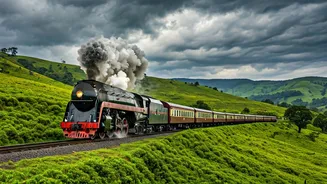
to Araku Valley. The journey, which begins in the coastal city of Visakhapatnam, is famous for its scenic beauty, but it acquires an almost ethereal quality with the arrival of pre-monsoon showers. For the best experience, securing a seat in the Vistadome coach is essential. With its large glass windows and a transparent roof, it offers an uninterrupted, panoramic view of the spectacle unfolding outside, making you feel completely immersed in the landscape.
The Ghats Awaken
As the train begins its slow, winding ascent into the hills, the urban landscape gives way to a world painted in shades of brown and dusty green. But the first showers change everything. The rain washes away months of dust, revealing the vibrant, emerald heart of the hills. What was barren just weeks before erupts in a flush of new leaves. The air, thick with the earthy scent of petrichor, feels clean and cool. Small, ephemeral waterfalls spring to life, cascading down rocky cliffs. This transformation is the soul of the journey. You are not just a passenger on a train; you are a witness to nature's grand, dramatic revival, a spectacle of life returning to the land.
An Engineering Marvel Through Tunnels and Bridges
The route from Visakhapatnam to Araku is as much an engineering feat as it is a natural wonder. The railway line, part of the Kottavalasa-Kirandul (KK) line, navigates the treacherous terrain through an impressive network of 84 tunnels and 58 bridges. Each tunnel offers a moment of playful suspense. The world outside disappears into a pitch-black void, the rhythmic clatter of the wheels echoing around you. And then, you burst back into the light, greeted by another breathtaking, rain-washed vista. The bridges, some perched precariously over deep valleys, offer dizzying views of the gorges below. The most famous among them, Bridge No. 226, provides a sweeping view of the valley that will leave you spellbound, especially when shrouded in a light monsoon mist.
A Symphony for the Senses
This journey is more than just a visual treat. It’s a full-body sensory experience. Watch the mist roll through the valleys from your glass-topped coach. Listen to the symphony of the train's chug, the rhythm of the rain on the roof, and the distant roar of a waterfall. Inhale the clean, crisp air, fragrant with wet soil and the subtle aroma of coffee blossoms from the surrounding plantations. At stations like Borra Guhalu, you can even taste the local flavours—bamboo chicken, spicy snacks, or a cup of freshly brewed Araku coffee. It’s a journey that engages you completely, pulling you away from screens and into the magnificent reality of the present moment.
Planning Your Monsoon Escape
To catch this specific magic, timing is key. The ideal period is from late May to mid-June, when the pre-monsoon or early monsoon showers have begun, but the full-blown, travel-disrupting deluges have not yet arrived. The Vistadome coaches on trains like the Visakhapatnam-Kirandul Passenger (Train No. 08551) are incredibly popular, so it is crucial to book your tickets well in advance through the IRCTC website. The train journey itself is the destination, but spending a day or two in Araku Valley allows you to explore the tribal museum, coffee plantations, and the famous Borra Caves. However, the true highlight remains the journey—a mesmerising transition from the heat of the plains to the cool, rain-soaked embrace of the hills.