






A New Recipe for Success
For decades, the Indian food landscape was dominated by a handful of legacy players. But a fundamental shift is underway. Driven by a surge in digital adoption and changing consumer tastes, a vibrant ecosystem of food startups is flourishing. [16] These
nimble companies are not just creating new products; they are writing a new playbook for how to build a brand. By leveraging technology and focusing on niche markets, they are competing directly with industry giants. The Indian Direct-to-Consumer (D2C) market, of which food and groceries are a significant part, is projected to hit $100 billion by 2025, with growth rates between 25-30%. [5] This isn't just a trend; it's a structural transformation in how Indians discover, buy, and connect with their food.
The Direct-to-Consumer Advantage
One of the biggest weapons in the arsenal of these startups is the Direct-to-Consumer (D2C) model. By selling directly to customers online, brands can bypass traditional retail gatekeepers, build a direct relationship with their community, and retain control over their brand story. This is particularly powerful in a market where consumers are increasingly curious about a product's origins. [6] Startups like Licious, which delivers fresh meat and seafood, have built their entire model on a farm-to-fork supply chain, ensuring quality and traceability—a key differentiator from the unorganized market. [10, 13] Similarly, iD Fresh Food has successfully scaled its business of ready-to-cook idli and dosa batter by mastering cold chain logistics and ensuring freshness from their facility to urban homes. [9] This direct line to the consumer allows for rapid feedback, hyper-personalization, and building a loyal following that legacy brands often struggle to achieve. [5]
Tapping into Modern Consumer Appetites
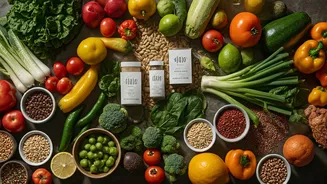
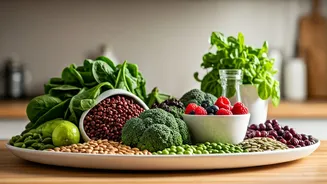
Today's Indian consumer is more health-conscious, discerning, and willing to experiment than ever before. [6, 11] Startups are capitalizing on this by catering to specific dietary needs and wellness trends. The demand for clean-label, organic, and natural products is surging, with a significant percentage of consumers actively checking ingredient lists. [5, 3] This has fueled the rise of brands like The Whole Truth, which focuses on ingredient transparency in its snacks and protein bars. [23] Others, like Slurrp Farm and TagZ Foods, are carving out niches in healthy children's snacks and low-fat chips, respectively. [10] The plant-based movement is also gaining significant traction, with companies like Good Dot and Blue Tribe Foods introducing meat alternatives tailored to the Indian palate, proving that innovation can be both sustainable and delicious. [7, 14]
From Regional Flavours to National Brands
Another key ingredient for success has been the celebration of India's rich culinary diversity. Many startups are finding success by taking authentic, regional products and giving them a modern, scalable platform. Sweet Karam Coffee, for instance, brings traditional South Indian snacks and filter coffee mixes to a national audience through its online store. [17] Similarly, BluePine Foods, which appeared on Shark Tank India, is making Northeast Indian cuisine accessible to a wider market with modern packaging and distribution. [23] Beyond Snack took the humble banana chip from a regional favourite to a premium, branded snack with a global footprint. [23] These companies are proving that authenticity and heritage, when combined with smart branding and a robust supply chain, can be a powerful formula for growth.
The Challenges on the Plate
Despite the impressive growth, the path for these startups is not without its obstacles. The Indian market is notoriously price-sensitive, and operating on thin margins is a constant battle. [10] High customer acquisition costs in a crowded digital space mean that building a sustainable, profitable business requires more than just a great product. [16] Furthermore, managing complex supply chains, especially for fresh produce and cold-chain products, is a capital-intensive challenge. [10] As these D2C brands scale, they also face increasing competition not only from each other but also from FMCG heavyweights who are now launching their own D2C initiatives and acquiring successful startups. [8]