



The Green Myth's Origin
The belief that houseplants are natural air purifiers is deeply rooted in a 1989 NASA study. Faced with the challenge of keeping the air clean in sealed space stations, NASA researchers placed common houseplants in small, sealed chambers and injected
volatile organic compounds (VOCs) like benzene and formaldehyde. The results were promising: plants like English Ivy and Peace Lilies were able to remove a significant percentage of these pollutants from the sealed environment. This 'Clean Air Study' became a sensation, launching the idea that a few potted plants could detoxify our living rooms and bedrooms.
A Reality Check from Modern Science
For decades, the NASA study was the go-to evidence for the air-purifying power of plants. However, a crucial detail was often overlooked: the experiments were conducted in small, airtight plexiglass boxes, which are nothing like the average home or office. More recent scientific reviews have put those findings into a real-world context. A comprehensive 2019 meta-analysis published in the Journal of Exposure Science & Environmental Epidemiology reviewed decades of research and came to a more sober conclusion. The researchers found that in a normal building with natural ventilation—from open windows, doors, and even small cracks—the air is exchanged so rapidly that the slow-working plants have a negligible effect. The rate of natural air exchange simply outpaces the plants' ability to clean the air.
The Numbers Game: A Jungle in Your Living Room
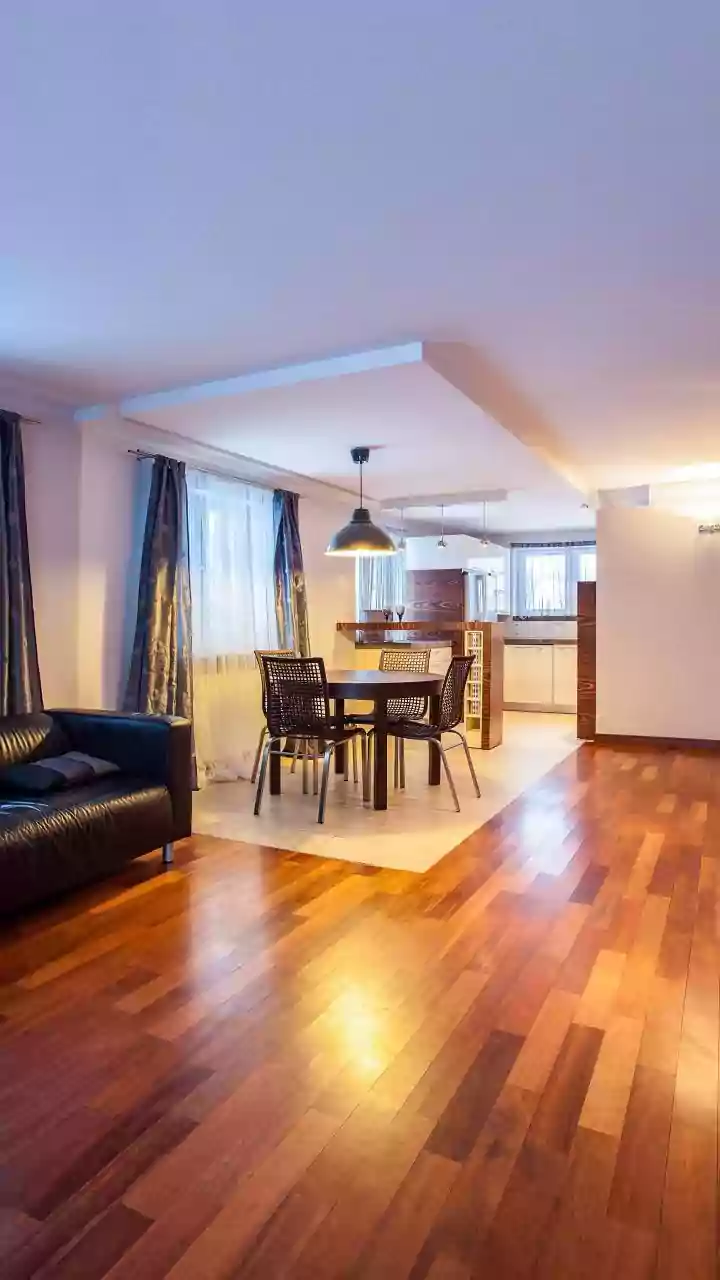
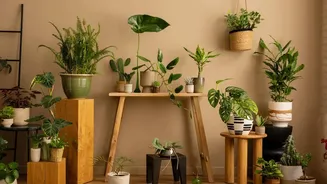
So, how many plants would it actually take to make a difference? According to the calculations from that 2019 Drexel University review, the numbers are staggering. To achieve the same air-cleaning rate as a building's standard ventilation system or simply opening a few windows, you would need to place between 10 to 1,000 plants per square meter of floor space. For an average 1,500-square-foot home, that could mean having as many as 680 plants to see a meaningful impact. While some earlier recommendations based on the NASA study suggested two large plants per 100 square feet, the newer, more critical analyses show that to truly rely on plants as air purifiers, you would need to turn your home into a dense, impractical jungle.
So, What Really Cleans Your Air?
If your plant collection isn't a substitute for a high-tech air filter, what should you do? The most effective strategy, according to experts, is straightforward: ventilation. Regularly opening windows and doors to allow fresh air to circulate is one of the best ways to dilute and remove indoor pollutants. For those living in areas with poor outdoor air quality, a mechanical air purifier with a HEPA filter is a far more effective solution for removing particulate matter and some VOCs. Additionally, controlling pollutants at the source—by choosing low-VOC paints, furniture, and cleaning products—can significantly improve the air you breathe at home.
The Real, Proven Benefits of Houseplants
This doesn't mean you should give up on your plant passion. While they may not be the air-purifying superheroes we hoped for, houseplants offer a wealth of other scientifically-backed benefits. This is rooted in a concept called 'biophilia'—our innate tendency to connect with nature. Studies have consistently shown that the presence of indoor plants can reduce stress and anxiety, lower blood pressure, and improve your mood. They can also enhance concentration, creativity, and productivity, making them great companions for a home office. Caring for plants has also been linked to improved mindfulness and a greater sense of well-being. These psychological and emotional benefits are powerful and very real.