



Embracing the Monsoon Myth
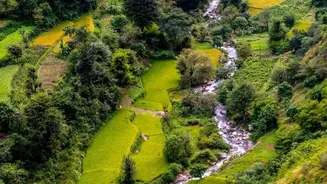
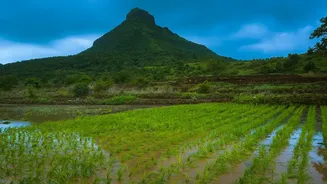
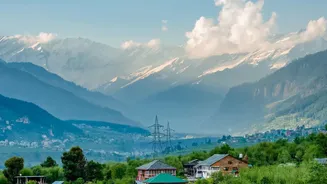
The common wisdom is to avoid the hills during the monsoons due to risks of landslides and blocked roads. While caution is essential, this notion overlooks the unique magic that the rains bring to certain pockets of Himachal. From July to September, the landscape
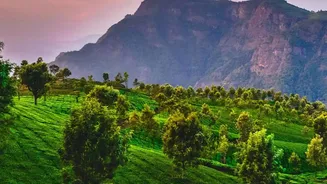
sheds its summer haze and dons a vibrant, emerald coat. Waterfalls, once trickles, become magnificent cascades, and the scent of wet earth and pine fills the air. For those seeking solitude and a slower pace, the monsoon is an ideal time to visit, as the usual tourist crowds are absent, leading to a more intimate and peaceful experience.
Tirthan Valley: A Riverside Sanctuary
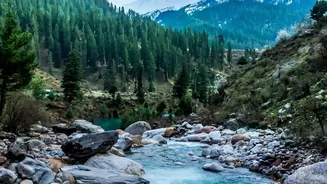
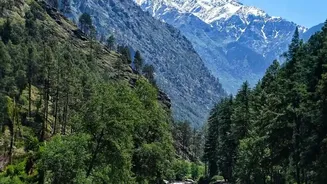
Nestled beside the Great Himalayan National Park, a UNESCO World Heritage Site, Tirthan Valley is an antidote to commercialised hill stations. During the monsoon, the Tirthan River swells into a powerful, roaring torrent, and the surrounding forests become intensely green. This season is perfect for those who enjoy the simple pleasures: staying in a cozy, traditional homestay by the water, listening to the sound of the river, and enjoying fresh, local food. While heavy rains can make some activities tricky, the valley’s charm lies in its atmosphere of serene seclusion, where you can read a book by the window as clouds drift past the mountains.
What to Do in a Rain-Soaked Tirthan
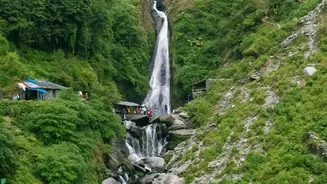
Monsoon travel in Tirthan is about gentle exploration. Short, accessible hikes are still possible and incredibly rewarding. A walk to the Chhoie Waterfall, which is particularly majestic during this season, is a must-do. You can also explore nearby villages like Gushaini and Nagini, witnessing the unhurried pace of local life. While core treks into the national park are generally not advised due to slippery trails, ecozone walks around the park's periphery are a great alternative. Trout fishing, a popular activity, might be limited as the river is often high and muddy, but the overall experience is about soaking in the verdant beauty rather than ticking off a checklist. Always check with locals about trail and road conditions before setting out.
Shoja: A Hamlet in the Clouds
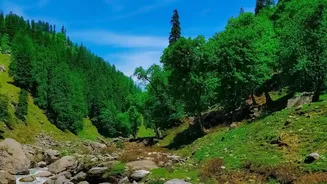
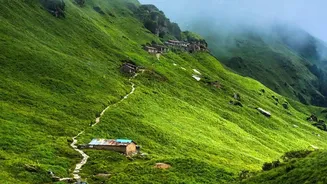
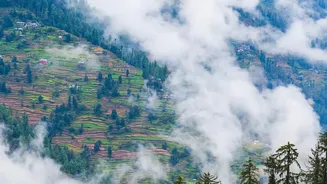
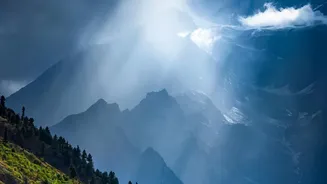
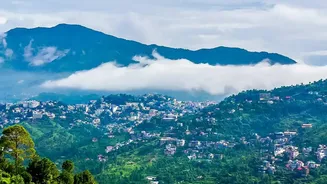
A short, scenic drive up from the main valley lies Shoja, a quieter, more atmospheric hamlet perched at a higher altitude of about 2,700 metres. If Tirthan is about the river, Shoja is about the mist and the mountains. During the monsoon, the village is frequently enveloped in a cinematic fog, with clouds drifting right through its deodar forests. This tiny village offers a deep sense of tranquility and is perfect for travellers looking to disconnect completely. The appeal here isn't in a long list of attractions, but in the slow, quiet rhythm of mountain life, punctuated by stunning views when the clouds part to reveal the Dhauladhar range.
Misty Trails and Mountain Views
From Shoja, the drive to Jalori Pass (around 3,100 metres) is an adventure in itself, though it's crucial to check for road safety during heavy rains. The pass is the starting point for two popular short treks. One leads to Serolsar Lake, a serene body of water surrounded by dense oak forest. The trail can be slippery and muddy in the monsoon, so good footwear is essential. The other path goes to the ruins of Raghupur Fort, which opens up to breathtaking panoramic meadows. Even if you don't trek, simply enjoying a hot cup of tea at a stall on Jalori Pass while watching the mist roll in is a quintessential Shoja experience.
How to Choose Your Monsoon Escape
Your choice between Tirthan Valley and Shoja depends on the experience you seek. Opt for Tirthan Valley if you love the sound of a rushing river and want to stay in a bustling village with slightly more activity and easier access to trails and waterfalls. Choose Shoja if your priority is high-altitude views, misty forests, and profound solitude. Shoja feels more remote and is ideal for those who want to do nothing but watch the clouds and enjoy the mountain silence. Many travellers combine both, staying a few nights in Tirthan before heading up to the quietude of Shoja.