






Running: An Unconscious Rhythm
When you run, breathing is largely an automatic process. As your muscles work harder, they demand more oxygen, and your respiratory system responds without you having to think much about it. Breathing is dictated by exertion, not by technique. Runners
can inhale and exhale freely, adjusting their rhythm to match their pace and effort. While some runners adopt specific patterns, like breathing in for two steps and out for two, there is no technical constraint forcing them to do so. The air is always available. This allows the body to find its most natural and efficient cadence for oxygen exchange, a process that feels intuitive for most people.
Swimming: A Deliberate, Technical Skill
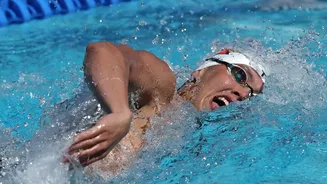
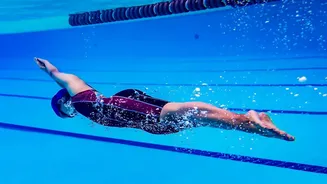
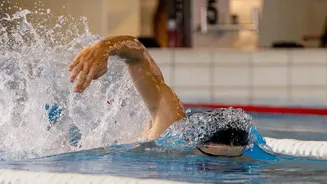
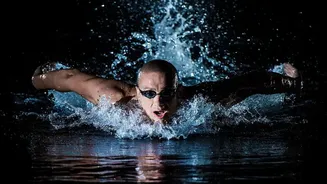
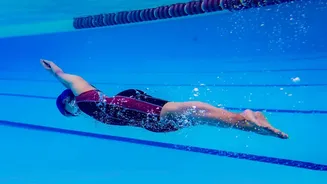
In the water, breathing is a conscious and technical skill that must be learned and synchronised with your strokes. Unlike running, you cannot breathe whenever you feel the need; you must wait for the brief window when your head is out of the water. This restriction forces swimmers to develop powerful, efficient breathing mechanics. The diaphragm must work quickly to pull in a full breath in a fraction of a second. Furthermore, swimmers must constantly exhale under the water to prepare for the next inhalation. Holding your breath can increase buoyancy in your chest, causing your legs to sink and disrupting your streamlined position.
The Science of CO2 Tolerance
The feeling of being desperate for air is not primarily driven by a lack of oxygen, but by a buildup of carbon dioxide (CO2) in your blood. This is where swimmers gain a unique physiological advantage. The restricted breathing patterns in swimming force the body to become more tolerant of higher CO2 levels. This is often mistakenly called 'hypoxic training'. The real adaptation is learning to manage the discomfort of CO2 accumulation, which allows swimmers to maintain their stroke mechanics and pace for longer without breaking form. This heightened CO2 tolerance means the body becomes more efficient at using the oxygen it has.
Developing a Balanced Stroke
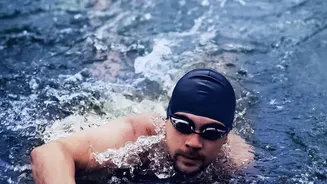
Many coaches encourage swimmers to practice bilateral breathing—alternating breathing to the left and right side, typically every three strokes. This practice is not just about managing air intake; it is crucial for developing a symmetrical and balanced stroke. Breathing only to one side can lead to uneven body rotation, a less powerful pull, and even shoulder injuries over time. By learning to breathe comfortably on both sides, swimmers ensure they rotate their hips and shoulders equally, leading to a straighter, more efficient path through the water.
Cardiovascular and Respiratory Muscle Impact
Both sports provide excellent cardiovascular benefits. However, the specific demands they place on the respiratory system differ. The constant resistance of water and controlled breathing strengthens a swimmer's respiratory muscles, including the diaphragm and intercostals. Studies have shown that swimmers tend to have greater lung capacity and stronger respiratory muscles compared to other athletes. While elite runners may exhibit a slightly higher VO2 max due to the weight-bearing nature of the sport, swimmers' trained respiratory systems are exceptionally efficient. This has led to a growing interest in respiratory muscle training (RMT) for all endurance athletes, using devices that add resistance to breathing to build strength and stamina.