




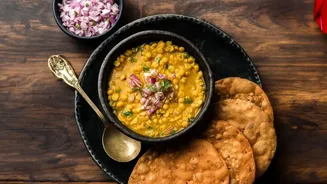

Urad Dal: A Protein-Packed Staple
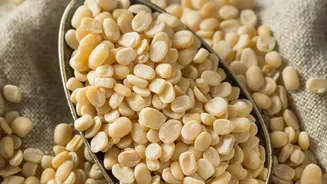
Black gram, or urad dal, is celebrated for its significant health benefits. It boasts a high protein content, with about 24-25 grams per 100 grams of dry lentils, making it essential for muscle repair and energy. It's also a fantastic source of dietary
fibre, iron, calcium, and B vitamins. This combination of protein and fibre promotes a feeling of fullness, aids digestion, and helps in managing blood sugar levels. While it's incredibly nutritious on its own, daily consumption can sometimes feel monotonous. The good news is that with a few simple additions, you can easily elevate its nutritional profile and introduce exciting variety to your meals.
Boost Protein for Greater Satiety
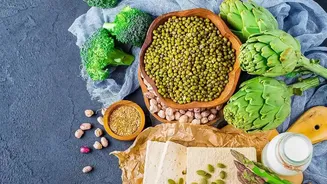
Adding extra protein to your urad dal not only makes it more filling but also enhances its muscle-building capabilities. Paneer is an excellent choice; crumbling it into your dal as a garnish or stirring in small cubes creates a rich, creamy texture. For a plant-based alternative, tofu or soya chunks work wonderfully. Soya chunks can be added while the dal is simmering, absorbing the flavours beautifully. Another simple trick is to mix different dals. Combining urad with moong, masoor, or chana dal not only creates a more complex flavour but also provides a broader range of amino acids. Even a side of curd or a boiled egg can significantly increase the overall protein content of your meal.
Incorporate Fibre-Rich Vegetables
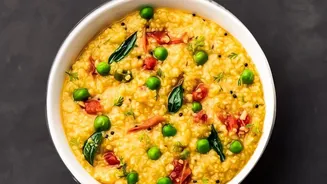
Vegetables are your best friends when it comes to adding fibre, vitamins, and texture. Leafy greens like spinach or kale can be wilted directly into the simmering dal, adding nutrients without overpowering the taste. Finely chopped carrots, bell peppers, or broccoli can be sautéed with the onions and tomatoes during the initial tempering (tadka) to add a subtle sweetness and crunch. Adding seasonal vegetables like radish not only brings a unique flavour but also boosts the meal's nutritional value. This method ensures you get a serving of vegetables along with your lentils, making it a complete and balanced dish.
Pair with Wholesome Grains
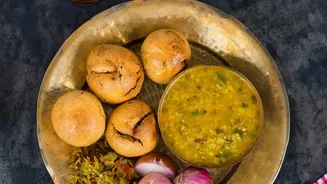
The classic combination of dal and rice creates a complete protein, meaning it provides all the essential amino acids your body needs. You can elevate this further by swapping white rice for whole grains. Brown rice, quinoa, and millets are excellent sources of fibre that support digestive health. Quinoa, in particular, is a complete protein on its own and has a fluffy texture that complements dal well. You can also serve your urad dal with whole wheat roti or rotis made from millet flour like ragi or kambu for a fibre-rich and satisfying meal.
Rethink the Form: Beyond Dal Tadka
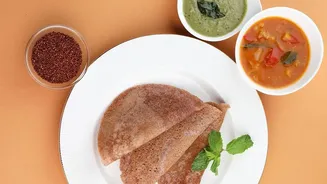
Urad dal's versatility extends far beyond a simple curry. The batter for idli and dosa, which uses fermented urad dal, can be made even more nutritious. Try making dosa or idli batter with quinoa or millets instead of rice for a higher protein and fibre breakfast. You can also make 'adai', a savoury pancake from a mix of dals and spices, which is both delicious and protein-dense. Another great option is to make vegetablestuffed moong dal chillas, where paneer or other vegetables can be added to the filling, transforming a simple dal into an exciting and nutritious meal.