





Display: Let Your Memories Shine
Too often, our most treasured possessions are hidden away in dusty boxes. The first step towards managing sentimental clutter is to liberate your favourites. By displaying meaningful items, you transform them from storage burdens into daily sources of joy.
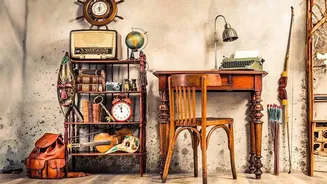
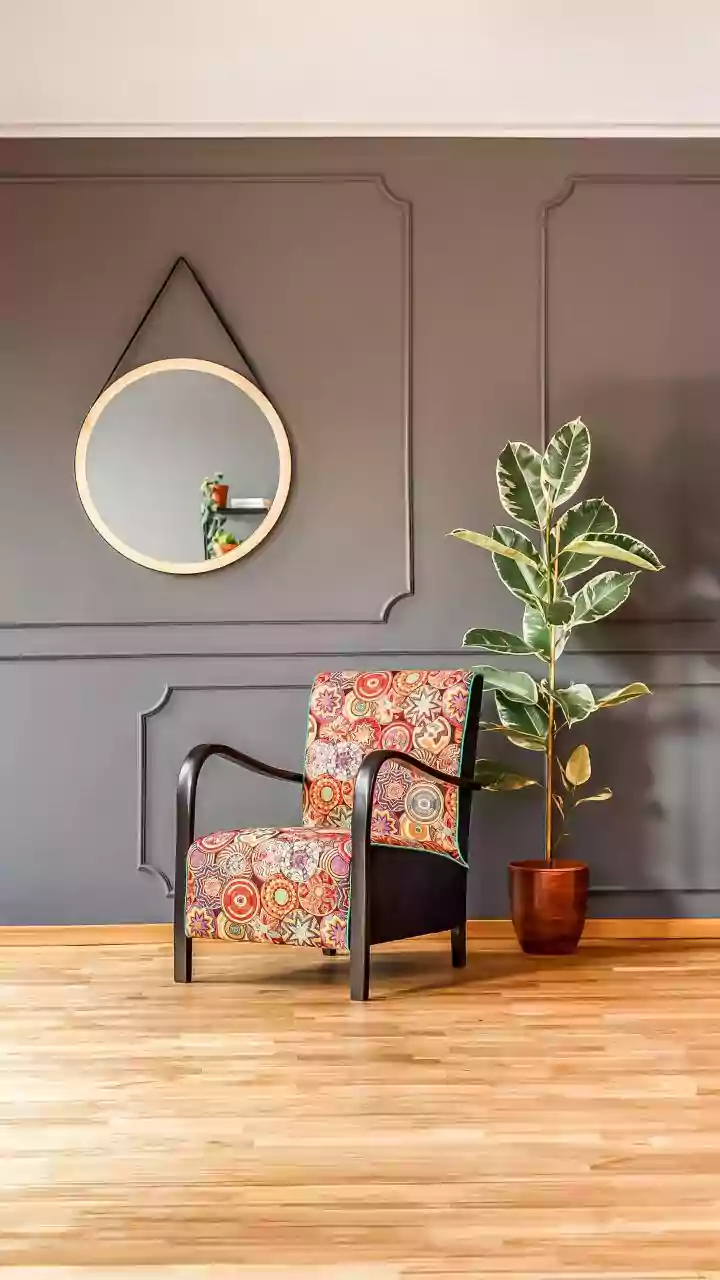
This doesn't require a professional interior designer. You can frame an old letter from a loved one, create a shadow box with small mementos like ticket stubs and tiny toys, or use a beautiful serving dish from your grandmother as a key holder. Grouping similar items together, such as a collection of small ceramic birds on a shelf, can create a purposeful and visually pleasing arrangement. Rotating items seasonally is another great strategy; bring out specific decorations or mementos for holidays or anniversaries to keep your decor fresh and meaningful. The goal is to actively incorporate these pieces into your life, honouring the memories they represent instead of letting them languish in the dark.
Archive: Preserve for the Future
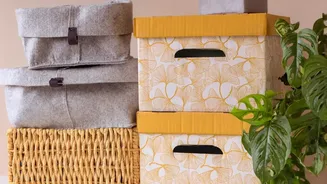
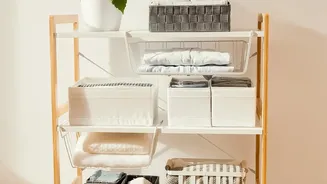
Not every sentimental item can be displayed, but that doesn't mean it has to be discarded. For objects you want to keep for the long term—for yourself or future generations—proper archiving is essential. This step is about mindful preservation. The key is to protect items from damage caused by light, humidity, and pests. Invest in archival-quality, acid-free boxes, which are readily available online and in stationery stores. Avoid storing precious things in basements or attics where temperature and humidity fluctuate wildly. When boxing items, label each box clearly with its contents. For example, instead of a generic “Memories,” write “University Photos and Letters, 2010-2014.” This simple act makes it easier to find what you're looking for later without having to unpack everything. Archiving is a promise to your future self and your family that these stories will be safe and accessible when you want to revisit them.
Digitise: Save Space and Share Memories
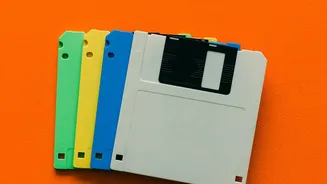
Digitisation is a powerful tool for decluttering while ensuring memories are never lost. It’s perfect for paper-based items like photographs, children's artwork, certificates, and letters. By creating digital copies, you can significantly reduce physical clutter while also creating a backup in case the originals are ever damaged or lost. For photos, using a flatbed scanner will produce high-quality results, but modern smartphone apps like Google PhotoScan are also incredibly effective and easy to use. These apps can correct for glare and perspective, making the process quick and painless. Once scanned, organise the digital files into clearly named folders on your computer or a cloud storage service. This not only saves physical space but also makes it effortless to share these memories with family members, no matter where they are in the world. Imagine sending a folder of old family photos to all your cousins with just a few clicks. It keeps the connection alive without the clutter.
Release: Let Go with Gratitude
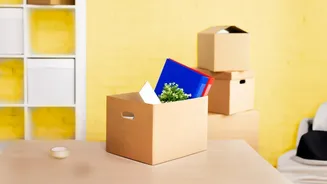
This is often the most emotionally challenging step, but it is also the most liberating. There will be items that you don't need to display, archive, or digitise. The key is to reframe this process not as “getting rid of things,” but as “releasing” them. Acknowledge the item and the memory it holds. A helpful technique, popularised by experts, is to thank the object for its service before letting it go. If you're struggling to part with something, take a photograph of it. Often, the photo is enough to preserve the memory without needing the physical object itself. Consider if the item could have a new life with someone else. Could that old wedding sari be worn by a relative? Could those baby clothes be donated to a family in need? Releasing items that no longer serve you creates space, both physically and mentally, for what truly matters in your life today. It’s not about erasing your past, but about making conscious choices about what you carry into your future.