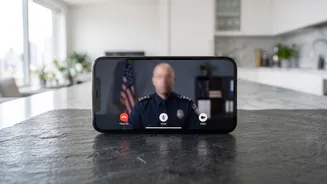










A frightening new cybercrime is sweeping across India, where fraudsters impersonate police or CBI officials to stage a 'digital arrest'. This sophisticated trick is designed to create panic and extort money. Here’s how it works and how to protect yourself.
What is a 'Digital Arrest' Scam?
A 'digital arrest' is a form of cyber fraud where criminals pose as officials from law enforcement agencies to threaten and extort victims. It has no legal basis in India; no one can be lawfully arrested over a phone or video call. The entire process is a performance designed to induce fear. Fraudsters inform victims that their identity, Aadhaar details, or bank accounts have been linked to a serious crime, such as money laundering or drug trafficking. They then place the victim under 'digital confinement', ordering them to remain on a video call for hours or even days while the supposed investigation proceeds. This isolation tactic prevents the victim from seeking help or verifying the claims.
The Anatomy of the Scam
The fraud unfolds in a series of calculated steps. It begins with an unsolicited call from someone posing as an official from a credible agency like the CBI, Enforcement Directorate (ED), or local police. To appear legitimate, they use sophisticated props, including fake uniforms, forged ID cards, fabricated arrest warrants, and official-looking backgrounds during video calls. They create a sense of extreme urgency, pressuring the victim to act immediately to avoid dire consequences. The core of the scam is financial extortion. The criminals demand large sums of money, disguised as a 'verification fee', 'security deposit', or a settlement to clear the victim's name. They instruct the victim to transfer funds to specific bank accounts, after which the fraudsters disappear.
Major Red Flags You Cannot Ignore
Awareness is your best defence. Legitimate law enforcement agencies will never demand money to resolve a case over the phone. Any request for a bank transfer, UPI payment, or sharing of OTPs and passwords is a definitive sign of fraud. Another major red flag is the tactic of isolation. Scammers will explicitly instruct you not to speak with family, friends, or a lawyer, claiming the investigation is confidential. They thrive on panic and preventing a clear-headed, second opinion. Be wary of any caller who threatens immediate arrest over a video call, demands you stay online indefinitely, or sends legal documents through unofficial channels like WhatsApp. Real legal processes are formal and do not happen this way.
What to Do If You Are Targeted
If you receive such a call, the first and most crucial step is to stay calm and not panic. Scammers rely on your fear to manipulate you. Do not engage with them or share any personal or financial information. The best course of action is to disconnect the call immediately. If the claims sound serious or unsettling, independently verify them. Hang up and contact the law enforcement agency they claim to represent through its official public-facing phone number or by visiting the nearest police station. Never use the contact details provided by the caller themselves. Discussing the situation with a trusted family member or friend can also quickly expose the scam for what it is.
How to Report Digital Fraud
If you suspect you have been targeted or have become a victim, reporting it immediately is critical. The Government of India has a dedicated National Cyber Crime Reporting Portal which can be accessed at cybercrime.gov.in. You can file a complaint online through this portal. For financial cyber fraud, you can also call the national helpline number 1930 to report the incident promptly. When filing a report, be prepared to provide as many details as possible, including the scammer's phone number, any bank accounts they asked you to send money to, and screenshots of messages or forged documents. Acting quickly can help authorities in their investigation and potentially prevent others from falling victim to the same criminals.