





Master Your Water Wisdom
Contaminated water is a primary source of monsoon-related illnesses like typhoid, cholera, and gastroenteritis. Heavy rains can cause sewage to mix with water supply lines. Never assume tap water is safe to drink directly. The simplest rule is to always
boil water for at least one minute or use a reliable RO+UV purifier. When outside, avoid any roadside drinks like nimbu pani, sugarcane juice, or anything with ice, as the water source is often unverified. Carrying your own boiled or filtered water is the safest bet.
Handle Produce With Extra Care
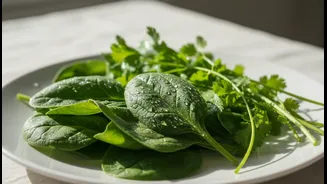
Leafy greens, cauliflower, and root vegetables can harbour dirt, larvae, and germs, especially during the rainy season. It's crucial to wash all fruits and vegetables thoroughly under clean, running water. For leafy greens and cauliflower, a soak in salt water for about 10-15 minutes helps dislodge hidden insects and reduces the bacterial load. A solution of one part vinegar to three parts water is also effective for cleaning produce with smooth skins. It’s best to avoid raw salads and sprouts when eating out, as they spoil quickly in the humidity and may not be washed properly. At home, either steam your salads and sprouts or consume them immediately after preparation.
Be Smart About Street Food
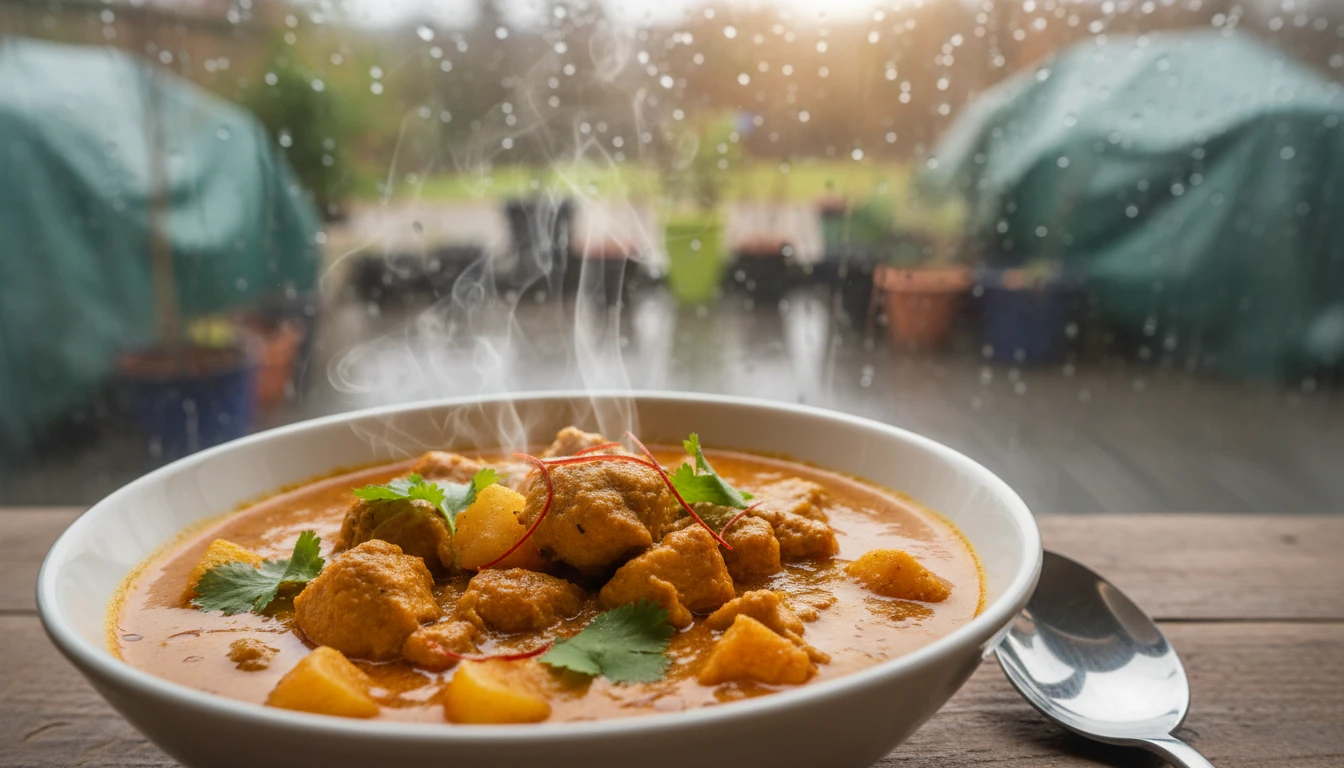
The craving for hot pakoras on a rainy day is undeniable, but street food carries a higher risk during the monsoon. Stalls may use untreated water, and food left exposed can be contaminated. If you do indulge, stick to items that are prepared fresh and served piping hot, as high temperatures kill most bacteria. Safe bets often include freshly fried samosas, kachoris, or roasted corn (bhutta). It is best to avoid items with raw components like chaat, pani puri, and anything with raw chutneys or yogurt, as these ingredients are highly susceptible to contamination.
Prioritise Kitchen and Personal Hygiene
A clean kitchen is your first line of defense. High humidity allows bacteria and mould to grow quickly on surfaces. Regularly disinfect countertops, chopping boards, and knives. Wash your hands thoroughly with soap and water for at least 20 seconds before preparing food, before eating, and after handling raw meat or vegetables. Keep raw and cooked foods separate to prevent cross-contamination. This simple practice is one of the most effective ways to prevent the spread of germs that cause food poisoning.
Store Food Strategically
Food spoils much faster in the warm, humid weather of the monsoon. Perishable items like cooked dal, rice, meat, and dairy products should not be left at room temperature for more than two hours. Store leftovers in airtight containers and refrigerate them promptly. When it's time to eat them, make sure to reheat the food until it is steaming hot to kill any potential microbial growth. For dry goods like grains and flour, store them in dry, airtight containers to protect them from moisture and prevent mould.
Cook Meats and Seafood Thoroughly
Meat and seafood are highly perishable and require special attention during the monsoon. Buy these items only from clean, reputable sources. When cooking, ensure that meat, poultry, and fish are cooked to a safe internal temperature to destroy any harmful bacteria or parasites. Avoid consuming undercooked or raw preparations of meat and seafood, as the risk of foodborne illness is significantly higher during this season. Proper storage in the coldest part of your refrigerator is also crucial to maintain freshness.