





Monsoon Mayhem Meets Peak Travel
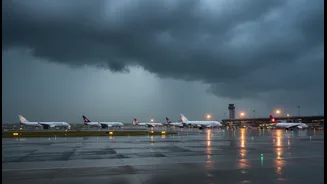
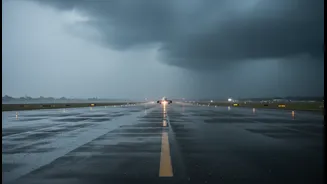
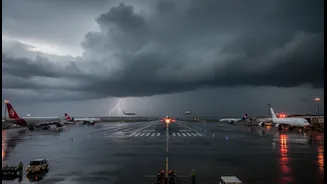
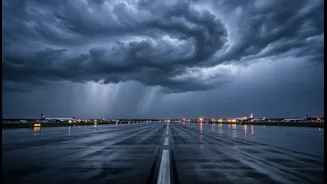
Delhi is currently grappling with the full force of the monsoon, and the impact on travel is significant. Heavy and persistent rainfall has led to widespread waterlogging, creating traffic snarls across the National Capital Region. For air travellers,
this presents a dual challenge. Not only is the journey to the airport unpredictable, but the adverse weather is also directly affecting flight operations. Major airlines, including Air India, IndiGo, and SpiceJet, have issued travel advisories, warning passengers of potential delays, diversions, and last-minute schedule changes due to the intense weather conditions. The India Meteorological Department (IMD) has issued alerts for the region, suggesting that these disruptions are likely to continue. This perfect storm of wet weather and operational uncertainty makes planning your airport transit more critical than ever.
The Costly Cab Conundrum
The common practice of pre-booking an airport cab to ensure a timely arrival or a quick departure can backfire spectacularly in the current climate. Booking a cab for a flight that is later delayed by several hours, or even cancelled, means you've likely paid a fare for a trip you no longer need. Getting a refund can be a hassle, and rebooking during a high-demand period often results in surge pricing. For arriving passengers, the situation is equally precarious. Booking a cab from the flight and then discovering a two-hour delay upon landing means your driver may not wait, forcing you to navigate the often chaotic and expensive on-the-spot booking options at the airport. You risk paying cancellation fees or finding yourself stranded while trying to book a new ride amidst a sea of fellow delayed travellers.
Your Smart Flight-Tracking Toolkit
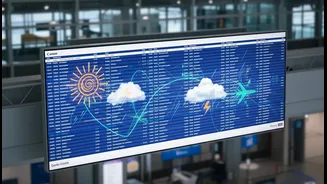
Being proactive is your best defence against travel turmoil. Relying on a single source of information is no longer enough. Before you even think about booking a cab, create a mini-dashboard of real-time information. Start with your airline's official app and website; these are your primary sources for the most accurate status updates and will be the first to reflect delays or cancellations. Enable SMS and email alerts from the airline for push notifications. Supplement this by using third-party flight tracking apps and websites like FlightAware or Flightradar24, which provide live, independent tracking. Finally, don’t forget to check the official social media handles (especially on X, formerly Twitter) of both your airline and Delhi Airport (DIAL) for broad advisories about weather impacts on overall operations.
The Optimal Cab Booking Strategy
Here is the new rule of thumb for Delhi's monsoon travel season: track first, book second. For departures, continuously monitor your flight status on the day of travel. Only book your cab once you have a confident window of departure and a confirmation that your flight is on schedule. Given the traffic situation, factor in significant extra time for your journey to the airport, as airlines themselves are advising. For arrivals, wait until you have physically landed, collected your baggage, and are heading towards the exit. This is the moment to book your ride. While you might have to wait a few minutes for your cab to arrive at the designated pickup zone, this short wait is infinitely better than paying for a cab that isn't there or getting hit with no-show fees. Use app-based services with clear pickup points at the airport for a more streamlined experience.
Consider the Reliable Alternative
When both flight schedules and road conditions are unpredictable, it pays to consider a mode of transport that is insulated from both. The Delhi Metro's Airport Express Line is a fast, reliable, and cost-effective alternative. It connects New Delhi Railway Station to Terminal 3 in under 25 minutes, bypassing all road traffic and waterlogging. Even Delhi Airport has previously advised passengers to use the metro to ensure timely arrival during periods of disruption. If your flight is operating from T1, a feeder bus service connects the Aerocity station on the Airport Line to Terminal 1. If your luggage is manageable and your origin or destination is near a metro station, this could be the most stress-free part of your journey.