


Walk Across Living Root Bridges in Meghalaya
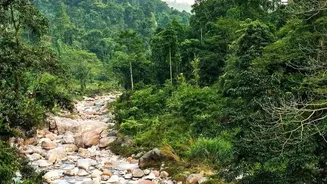
In the rain-soaked hills of Meghalaya, the Khasi and Jaintia people have perfected a form of natural engineering that is nothing short of magical: living root bridges. Instead of building with wood or stone, they guide the aerial roots of the Ficus elastica
(rubber fig) tree across rivers and streams, weaving them into sturdy, living structures that grow stronger over time. The most iconic of these is the 'Jingkieng Jri' or the Double-Decker Root Bridge in Nongriat village, accessible via a trek of approximately 3,500 steps down from Tyrna village near Cherrapunji. This challenging but rewarding journey takes you through dense tropical forests and across swaying suspension bridges. For those seeking a less strenuous experience, the Riwai Root Bridge near Mawlynnong village offers a beautiful single-decker bridge with a much shorter walk of about 15 minutes. The best time to visit is during the dry season, from October to April, when the stone steps are less slippery.
Spot Rhinos at Kaziranga National Park, Assam
Home to more than two-thirds of the world's great one-horned rhinoceros population, Kaziranga National Park is a UNESCO World Heritage Site and a triumph of wildlife conservation. Sprawling across the floodplains of the Brahmaputra River, its landscape of tall elephant grass, marshland, and dense forests also shelters elephants, tigers, wild water buffalo, and a spectacular variety of birdlife. The park is divided into four main ranges for tourism—Central (Kohora), Western (Bagori), Eastern (Agoratoli), and Burapahar—each offering a slightly different safari experience. The best way to explore is via an early morning jeep or elephant safari, which provides a higher vantage point for spotting wildlife. The park is open from November to April, as it remains closed during the monsoon season due to flooding. For the best visibility, plan your trip between December and March when the tall grasses are often cut or burned back.
Float on Loktak Lake, Manipur
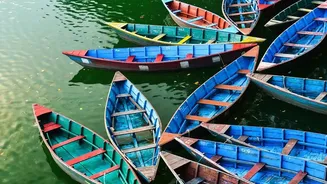
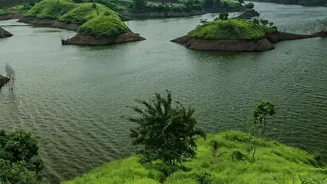
Loktak Lake is the largest freshwater lake in Northeast India, but its most remarkable feature is the 'phumdis'—heterogeneous masses of vegetation, soil, and organic matter at various stages of decomposition that float on its surface. Some of these phumdis are large and thick enough for fisherfolk to build their huts on. The largest of these phumdis is home to the Keibul Lamjao National Park, the world's only floating national park. This unique ecosystem is the last natural habitat of the endangered Sangai, or brow-antlered deer, often called the 'dancing deer' for its delicate gait. Visitors can hire a boat to glide through the waterways, observe the unique lifestyle of the local fishing community, and explore the park. The best time for a visit is from October to February, when the weather is pleasant and migratory birds are abundant.
Trek to Goecha La in Sikkim
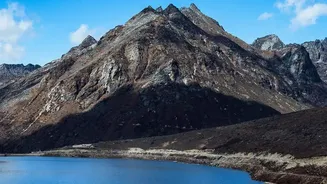
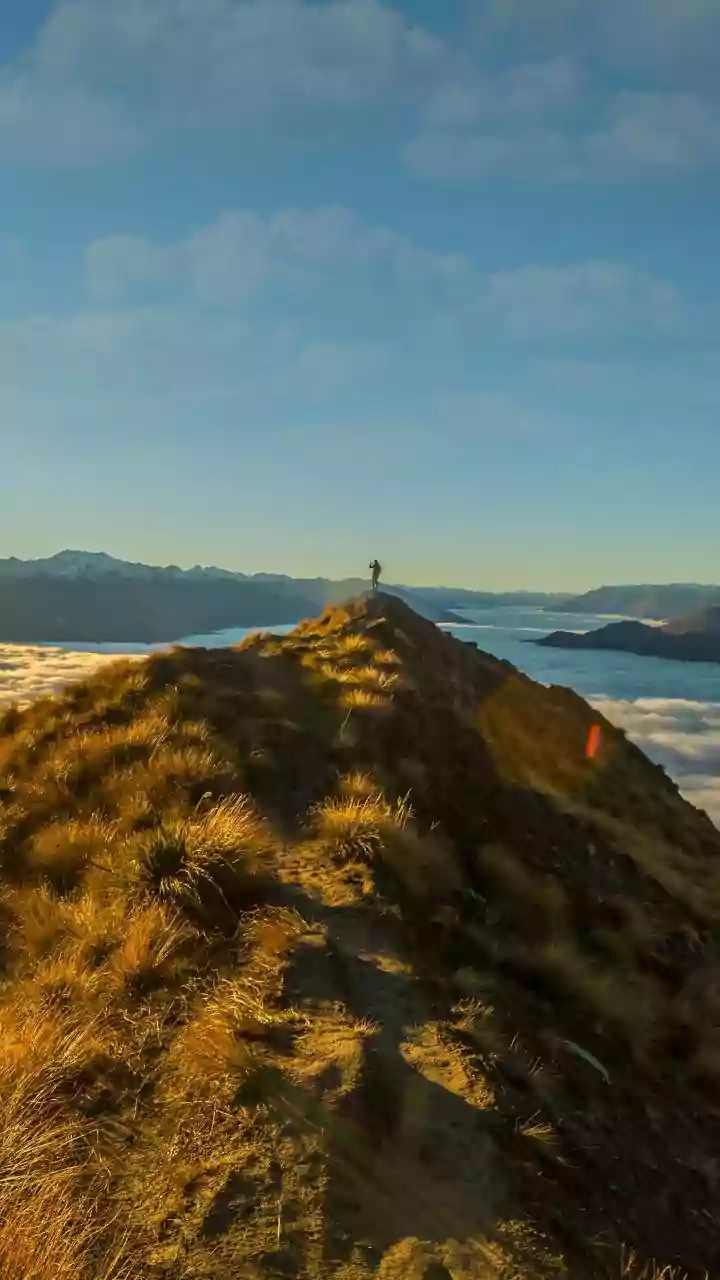
For the avid trekker, few experiences can match the Goecha La trek in Sikkim, which offers breathtaking, up-close views of the mighty Kanchenjunga, the world's third-highest peak. Starting from the historical town of Yuksom, this challenging 8-to-11-day trek takes you through the heart of the Kanchenjunga National Park, a UNESCO World Heritage Site. The trail winds through vibrant rhododendron forests, which are a riot of colour in the spring (April-May), past serene alpine lakes, and into a dramatic landscape of glaciers and snow-capped peaks. Key milestones include the Dzongri viewpoint, which offers a panoramic vista of the Himalayan giants. Due to its difficulty and altitude (reaching around 15,100 feet), this trek is best suited for experienced hikers. The prime trekking seasons are from April to June and from late September to November, when the skies are generally clear.
Experience Serenity at Tawang, Arunachal Pradesh
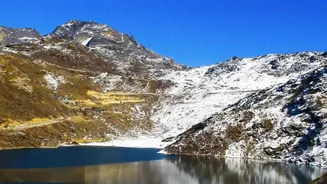
Situated at an altitude of about 10,000 feet, Tawang is a land where stunning natural beauty meets profound spirituality. The landscape is a dramatic tapestry of snow-capped mountains, deep valleys, and pristine high-altitude lakes like the famous Sela Pass. The spiritual heart of the region is the Tawang Monastery, the largest Buddhist monastery in India and an important centre for Mahayana Buddhism. Perched on a hill, it offers commanding views of the entire valley. While the monastery itself is a cultural and architectural marvel, the true nature experience lies in its surroundings. The journey to Tawang, whether from Guwahati or Tezpur, is an adventure in itself, winding through breathtaking mountain roads. This destination offers a peaceful retreat for those looking to immerse themselves in the tranquillity of the Eastern Himalayas.
Explore the Rolling Hills of Dzukou Valley
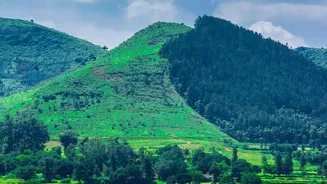
Straddling the border of Nagaland and Manipur, the Dzukou Valley is a high-altitude wonderland known for its stunning, rolling hills that resemble a perfectly manicured lawn. This trekker's paradise is particularly famous for the seasonal bloom of the rare Dzukou Lily, which carpets the valley floor in shades of pink and white from June to July. Even outside the flowering season, the valley’s ethereal beauty, with its gentle streams and vast, treeless meadows, is captivating. The trek is considered moderate and can be approached from two main points near Kohima: the easier route from Viswema or the steeper trail from Jakhama. Most trekkers stay overnight in a basic rest house to witness the magical sunset and sunrise over the valley. The best time for clear skies and firm trails is from November to February.