






Beyond the Traditional Thali
For generations, India’s vast vegetarian population has relied on a consistent set of protein sources, primarily pulses (like dal and chickpeas) and dairy (like paneer and curd). These staples form the backbone of a nutritious diet that has sustained
hundreds of millions. Yet, modern lifestyles and a growing awareness of nutrition have exposed a potential gap. Many vegetarians, while eating well, may not be consuming enough high-quality protein to meet their daily needs. Traditional diets, often heavy on cereals like wheat and rice, can sometimes lead to a protein deficit unless consciously balanced with enough legumes. This realisation, coupled with a desire for more culinary variety, has prompted a search for new options that fit into a contemporary Indian lifestyle.
The New Protein Pantry
The alternatives gaining traction go far beyond simply eating more dal. The Indian plant-based protein market, valued at over USD 634 million in 2025, is projected to grow significantly, showcasing a clear shift in consumer habits. A key part of this is the rise of mock meats and plant-based meat substitutes made from soy, pea protein, and even jackfruit. Startups and established food companies are creating plant-based kebabs, nuggets, and keema that mimic the taste and texture of meat, appealing to vegetarians and flexitarians alike. Beyond these innovations, there is a renewed interest in whole foods like quinoa, tofu, seeds like chia and flax, and different forms of soy. These ingredients are no longer niche health-store items but are appearing in mainstream recipes and on restaurant menus across urban centres.
The Drivers of a Dietary Shift
Several factors are fueling this evolution. A primary driver is increased health and wellness consciousness, particularly among urban millennials and Gen Z. Concerns about lifestyle diseases and a focus on fitness are encouraging people to seek out high-protein, nutrient-dense foods. Environmental sustainability is another powerful motivator. As awareness grows about the carbon footprint of traditional animal agriculture, consumers are looking for eco-friendly alternatives. Ethical considerations around animal welfare also play a role. This shift is amplified by social media, where fitness influencers and food bloggers normalize and popularize plant-based diets and novel ingredients, making them more accessible and aspirational for a wider audience.
A Market Responding to Demand
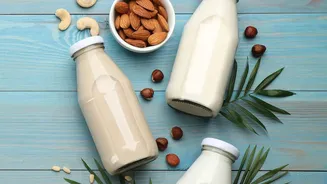
The food industry has been quick to respond to this burgeoning demand. The plant-based food market in India is experiencing rapid growth, with some estimates projecting a compound annual growth rate (CAGR) of over 14% between 2026 and 2034. This has attracted significant investment from both domestic startups and international food giants. Supermarket shelves now stock everything from almond milk and tofu to ready-to-cook plant-based sausages. Restaurants in metropolitan areas like Delhi, Mumbai, and Bengaluru are increasingly featuring dedicated vegan and plant-forward menus, moving them from a niche offering to a mainstream necessity. This increased availability and marketing have created a positive feedback loop: as more products become accessible, more consumers are willing to try them, further fueling market growth.