




Why Your Balance Thrives Barefoot
The core of barefoot hiking's benefit lies in a concept called proprioception. Think of it as your body's sixth sense—its ability to know where it is in space without looking. Your feet are packed with over 200,000 nerve endings, designed to send a constant
stream of information to your brain about texture, pressure, and positioning. Traditional hiking boots, with their thick, cushioned soles, effectively muffle this conversation. When you walk barefoot, you reawaken this entire sensory network. The direct feedback from the ground forces your nervous system to make constant, tiny adjustments, which dramatically sharpens your balance, coordination, and stability. This enhanced awareness helps you navigate uneven terrain more intuitively, reducing your risk of slips and falls.
Building a Stronger Foundation
Beyond balance, going shoeless is a workout for muscles that are often neglected in supportive footwear. When you walk barefoot, the small, intrinsic muscles within your feet and arches have to work harder to grip, flex, and stabilize your body. This can lead to stronger, more resilient feet and ankles over time. Many proponents find that this practice encourages a more natural walking pattern, often shifting from a harsh heel-strike to a softer landing on the mid or forefoot. This change in gait can reduce the impact on your knees, hips, and lower back, potentially improving your overall posture. While traditional boots offer protection, they can also act like a cast, weakening the foot's natural structure; barefoot hiking helps rebuild it.
Acknowledging the Real Risks
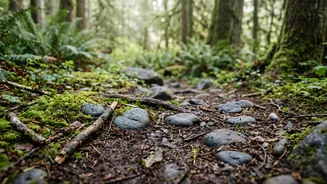
The romantic image of walking barefoot through a forest needs to be balanced with a healthy dose of realism. The most obvious risk is injury from sharp objects like glass, thorns, or jagged rocks. Your skin will toughen over time, but it offers little protection against a puncture wound. Beyond cuts and bruises, there is a risk of infection from bacteria or fungi on the ground. Another significant danger comes from transitioning too quickly. Feet that have been supported by shoes for years lack the strength and conditioning for barefoot hiking. Doing too much, too soon can lead to painful conditions like plantar fasciitis or even stress fractures. People with certain medical conditions, especially diabetes or peripheral neuropathy, should consult a doctor before even considering it due to the high risk of injury and infection.
How to Start Your Barefoot Journey Safely
If you're curious to try, the key is to start slow and be patient with your body. Begin by spending short amounts of time barefoot on safe, forgiving surfaces like a grassy park, a sandy beach, or even just around your house. Aim for 15 to 20-minute sessions at first, paying close attention to how your feet feel. Always watch where you are stepping and avoid areas where sharp debris might be hidden. As your feet adapt and strengthen, you can gradually increase the duration and explore slightly more challenging, but still safe, trails. Another excellent option is to use minimalist or 'barefoot' shoes as a transitional tool. These shoes have thin, flexible soles and a wide toe box, offering protection from cuts while still allowing your feet to feel the ground and move naturally.