





The Core Debate: Standardisation vs. Localisation
For years, the expansion strategy for many national fashion brands was simple: take the styles selling well in metros and push them into new stores in smaller cities. This is known as standardisation—a one-size-fits-all approach that offers operational
efficiency and a consistent brand image. However, retailers are discovering that what works in a trendy Bengaluru mall may not resonate with shoppers in Bhatinda. This has sparked a crucial debate. On one side is the cost-effectiveness of a single, national inventory. On the other is localisation—the strategic adaptation of products to meet the specific tastes, cultural norms, and climate of a particular region. The growing consensus is that applying a metro-centric template to the rest of India is a flawed strategy. Success now depends on a more nuanced understanding of local markets.
What 'Local Assortment' Actually Means
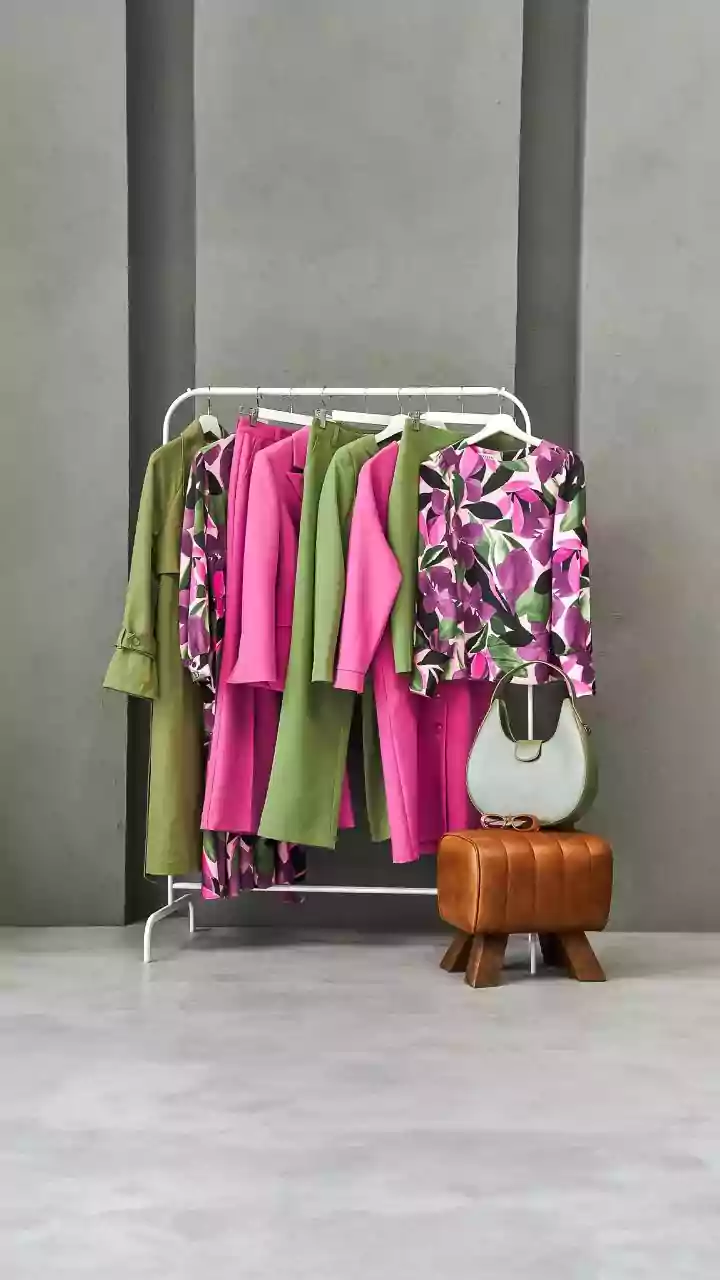
So, what does a localised retail assortment look like in practice? It goes far beyond simply offering more ethnic wear. It means curating a collection based on deep, data-driven insights. For example, consumers in northern cities might gravitate towards bolder, trendier styles, while southern markets often prioritise subtle sophistication and quality fabrics. A retailer might stock brighter colour palettes in one region and more muted tones in another. It also involves adjusting for local climate—stocking lighter fabrics for longer in warmer regions—and acknowledging cultural events and festivals with specific collections, like Cadbury’s localised “Diwali Celebrations” campaign. Even silhouettes change; in some non-metro areas, there is a stronger preference for traditional garments like salwar kameez and embroidered Anarkali suits over the Western-influenced cuts popular in big cities.
The Data-Driven Retailer
This shift from guesswork to strategy is powered by technology. E-commerce platforms have become invaluable data mines for brands. By analysing pin code-level sales data, a company can see exactly which products are trending in a specific city before they even open a physical store there. This digital-first insight helps brands avoid costly mistakes, like being stuck with a warehouse full of unsold inventory. The rise of budget-friendly, fast-fashion brands like Zudio and Trends in smaller towns is a testament to getting this right; they offer contemporary designs at accessible price points, creating a compelling alternative to traditional unorganised markets. This data-led approach allows for faster response times, ensuring that stores are replenished with what's actually selling, not what a head office thinks should be selling.
The Empowered Small-Town Consumer
Ultimately, this debate is being settled by the consumer. Thanks to widespread internet access and social media, shoppers in Tier 2 and Tier 3 cities are just as exposed to global trends as their metro counterparts. They are aspirational, brand-aware, and increasingly discerning. This new generation of shoppers, particularly Gen Z, wants fashion that reflects their personal identity. They are no longer passive recipients of whatever trickles down from the big cities. Instead, their preferences are actively shaping what brands produce and stock. This has created a more democratised fashion ecosystem where cities like Indore and Jaipur are not just markets to be captured, but emerging trend centers in their own right.