


In the rush of city life, meals often become a matter of convenience over connection. But what if the answer to better nutrition and a deeper sense of well-being lies not in a new fad diet, but in the familiar flavours of our own family history?
The Psychology of a Home-Cooked Meal
There
is a reason we call certain dishes 'comfort food'. The taste and aroma of a meal from childhood can trigger powerful, positive memories. Research shows that foods associated with our past and close relationships can evoke a sense of nostalgia and security, helping to reduce feelings of loneliness and stress. This connection is deeply rooted in our brains, where scent and memory are closely linked. When you recreate a grandparent's recipe, you are not just cooking; you are tapping into a reservoir of emotional safety and belonging. This act of remembrance provides a unique form of nourishment that goes far beyond calories and nutrients, offering a predictable and reassuring ritual in an often-unpredictable world.
A Nutritional Advantage
Beyond the emotional benefits, heritage recipes often hold a significant nutritional edge. Traditionally, home-cooked meals are prepared with whole ingredients, providing essential vitamins, fibre, and minerals. By cooking at home, you have complete control over what goes into your food, allowing you to avoid the excessive sodium, unhealthy fats, and preservatives commonly found in processed and restaurant meals. Studies have consistently shown that people who frequently cook at home have healthier diets, consuming more fruits and vegetables. This return to basics stands in stark contrast to many modern, convenience-based diets, which are often linked to a range of health issues. Essentially, your grandmother’s cooking methods were likely healthier by default.
Bridging Tradition and the Modern Kitchen
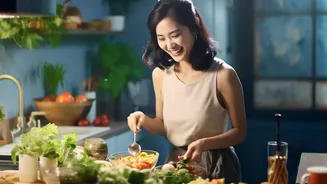
For many busy urban families, the idea of preparing elaborate traditional meals can seem daunting. Limited time, smaller kitchens, and the mental load of meal planning are real challenges. However, embracing heritage cooking does not mean replicating the past exactly. It is about adapting the spirit of these recipes for today's lifestyle. Modern appliances like pressure cookers, air fryers, and food processors can significantly cut down on preparation time for classic dishes. Meal prepping on weekends—chopping vegetables, preparing base sauces, or marinating meats—can make weeknight cooking faster and less stressful. The key is to find a balance that honours the tradition without creating burnout.
Modern Twists for Healthier Classics
Adapting family recipes also offers an opportunity to enhance their nutritional profile further. Classic recipes can be updated by substituting ingredients to align with modern health knowledge. For example, refined flours can be swapped for whole_grain alternatives, or plant_based proteins like lentils and beans can be used in place of meat in traditional stews and curries. Reducing sugar or replacing it with natural sweeteners is another easy modification. This process of thoughtful adaptation allows you to retain the beloved flavours of a dish while making it even more beneficial for your family's health, proving that old recipes can indeed learn new tricks.
Preserving the Legacy for a New Generation
As families become more geographically scattered, the informal, spoken_word transfer of recipes is at risk. Preserving this culinary heritage is more important than ever. Thankfully, digital tools offer a powerful way to create a living archive of your family's food legacy. You can start by simply photographing or scanning handwritten recipe cards. For a more interactive approach, create a shared digital folder or use a recipe_organizing app that allows family members to contribute notes, photos, and even videos. These digital cookbooks do more than just store instructions; they capture the stories, handwriting, and personal touches that make each recipe a treasured piece of family history, ensuring they are not lost to time.