





For busy working couples, the dream of a home-cooked dinner often clashes with the reality of long workdays. This plan for cooking just twice a week offers a sustainable way to eat well without the nightly stress, freeing up your evenings.
The Core Philosophy: Cook Components, Not Just Meals
The secret to
successful batch cooking isn't making five different finished meals on a Sunday. It's about 'component prep'. This means preparing versatile building blocks that can be mixed and matched throughout the week. Think of it as creating your own personal, healthy takeaway bar in the fridge. On Sunday, you'll do a larger cook, focusing on things that take longer. Then, a smaller, quicker session mid-week keeps things fresh and prevents flavour fatigue. This approach provides variety and flexibility, which is crucial for sticking with a routine. It's also a great opportunity to work as a team, splitting tasks and turning a chore into a shared activity.
The Sunday Session: Your Weekly Foundation (1.5–2 hours)
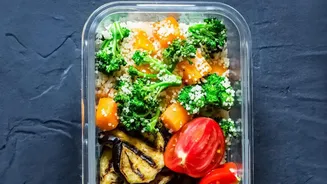
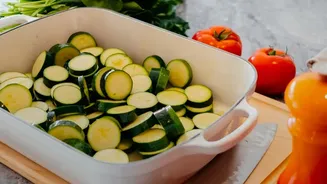
This is your main cooking block. The goal is to prepare the elements that form the base of your meals for the first half of the week. A good plan is to cook one grain, two vegetables, and one or two proteins. For example: A Grain: Make a large batch of quinoa, brown rice, or barley. These are sturdy and hold up well. Roasted Vegetables: Fill a sheet pan with broccoli, bell peppers, sweet potatoes, or Brussels sprouts. Roasting brings out their flavour and they reheat well. A Versatile Protein: Cook a batch of shredded chicken, bake some tofu, or make a pot of lentils. Keep the seasoning simple so you can adapt the flavour later. A Sauce or Dressing: Whip up a vinaigrette or a versatile sauce like a peanut or tahini dressing. This is a five-minute task that can transform your meals all week.
The Wednesday Refresh: A Quick Top-Up (30–45 minutes)
By Wednesday, your prepped ingredients might be dwindling, and you might be craving something fresh. This shorter session is designed to carry you through the rest of the work week. It's the perfect time to cook quick-cooking items or prep delicate ingredients. Focus on: A Quick-Cooking Protein: Sauté some shrimp, cook a piece of fish, or brown some ground turkey. A Fresh Element: Make a quick soup, chop vegetables for a fresh salad, or stir-fry some greens. Check Your Inventory: See what's left from Sunday's prep and think about how it can be combined with your newly cooked items for Thursday and Friday's meals.
A Sample Twice-A-Week Menu In Action
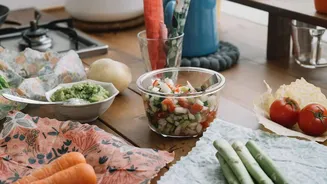
So how do these components become dinner? Let’s say on Sunday you prepped quinoa, roasted vegetables, and shredded chicken. On Wednesday, you stir fried some ground turkey. Monday: Chicken and roasted veggie bowls over quinoa with your homemade vinaigrette. Tuesday: Use the leftover chicken and veggies to make hearty wraps or quesadillas. Wednesday: Your freshly cooked ground turkey becomes the filling for lettuce wraps. Thursday: Combine the leftover turkey with some canned beans and tomatoes for a quick chili or pasta sauce. Friday : Use the last of the quinoa and any remaining veggies to make 'clean out the fridge' fried rice or a frittata.
Smart Shopping and Storage for Two
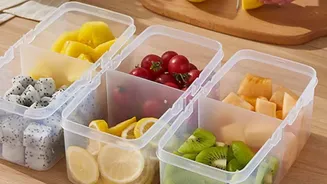
Meal prepping for two requires a different shopping strategy than for a large family to avoid waste. Plan meals that use overlapping ingredients. For example, if a recipe needs half a bunch of cilantro, plan another meal that week that uses the rest. When you get home, immediately portion out bulk items like chicken or ground meat and freeze what you won't use in the next few days. For storage, invest in good quality airtight containers, preferably glass, as they don't stain and are great for reheating. Divide large batches into meal sized portions before refrigerating or freezing to help them cool faster and make them easy to grab. Label everything with the contents and the date to avoid mystery meals later. Most refrigerated prepped meals are best eaten within 3 -4 days.