

The Allure of Late Summer
August and September represent a magical pocket in Ladakh's calendar. With the peak summer rush of July fading, these months provide a more serene experience. Because Ladakh lies in a rain shadow, it escapes the heavy monsoon rains that drench much of India.
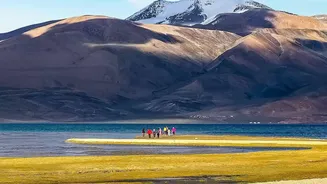
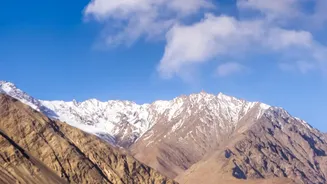
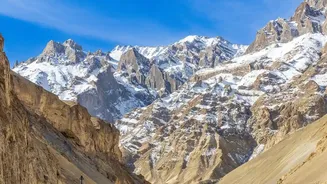
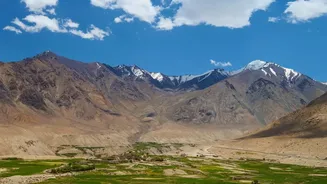
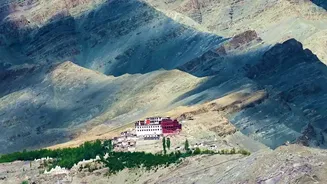
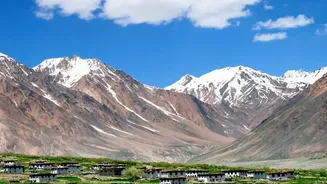
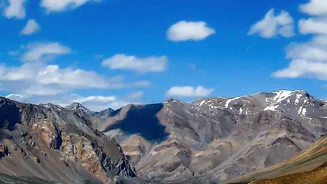
This results in brilliantly clear blue skies and fantastic visibility, perfect for photography. Daytime temperatures are pleasant, typically ranging from 15°C to 25°C in Leh, making sightseeing comfortable. As September progresses, the landscape begins its transition to autumn, with poplar and willow trees turning golden, adding a spectacular layer of colour to the stark mountains. This period also hosts significant cultural events, including the Ladakh Festival, a vibrant showcase of traditional dance, music, and archery held in Leh.
Navigating the Roads and Passes
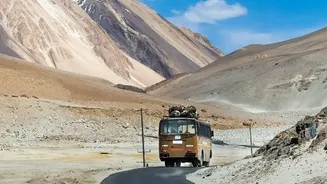
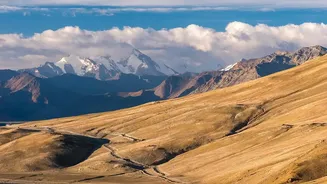
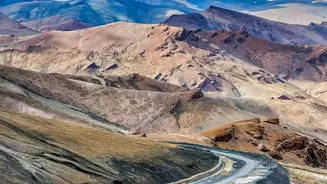
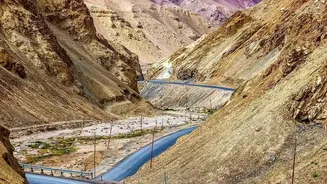
For road-trippers, late summer is generally a reliable time. Both the Manali-Leh and Srinagar-Leh highways are fully operational. By August, the Border Roads Organisation (BRO) has usually repaired most of the damage from winter snow and early summer meltwater. However, challenges remain. The approaches to Ladakh via Himachal Pradesh and Kashmir can still be affected by monsoon-triggered landslides, potentially causing temporary closures. Water crossings, though less ferocious than in June and July, can still swell in the afternoons. When driving, an early start is always advisable to cross high passes and water-logged sections before noon. While the main routes are open, always build buffer days into your itinerary to account for unforeseen delays.
Essential: High-Altitude Acclimatization
This is the most critical aspect of any Ladakh trip. Leh is situated at an altitude of about 11,500 feet (3,500 metres), where the air contains significantly less oxygen. Flying directly into Leh requires your body to adapt suddenly. To avoid Acute Mountain Sickness (AMS), the first 24 to 48 hours are non-negotiable: you must rest completely. This means no strenuous activity, not even a long walk through the market. Drink plenty of fluids—at least 3-4 litres of water, herbal tea, or soup daily—and eat light, high-carbohydrate meals. Alcohol and smoking should be strictly avoided as they hinder acclimatization. Only after a full day or two of rest should you begin exploring local sites, gradually ascending to higher altitudes like Khardung La or Pangong Lake.
Permits and Paperwork
To visit many of Ladakh's most famous attractions, including Pangong Tso, Tso Moriri, Nubra Valley, and the Hanle Dark Sky Reserve, visitors need a permit. For Indian tourists, the former Inner Line Permit (ILP) system has been simplified. You are now required to pay an Environment Fee and a daily Wildlife Protection fee. This can be done online through the Leh administration's official permit website before your trip. Foreign nationals must obtain a Protected Area Permit (PAP), which is typically arranged through a registered local travel agent. It is crucial to carry multiple photocopies of your permit and a valid government-issued photo ID, as you will need to submit them at various military checkpoints along your route.
Packing for Drastic Temperature Swings
Packing for Ladakh requires preparing for four seasons in a single day. The sun's intensity at high altitude is strong, making sunscreen, a wide-brimmed hat, and UV-protection sunglasses essential. The key to comfort is layering. Pack thermal innerwear, fleece jackets, and a windproof and waterproof outer shell. While days can be warm enough for a t-shirt, temperatures drop dramatically the moment the sun sets or when you ascend to a high pass. Even in summer, nighttime temperatures at places like Pangong Lake can dip below freezing. Sturdy, comfortable walking shoes are a must. Also include a basic medical kit with medications for headache, nausea, and any personal prescriptions, after consulting with your doctor about altitude sickness medication like Diamox.