

A Tale of Two Breads
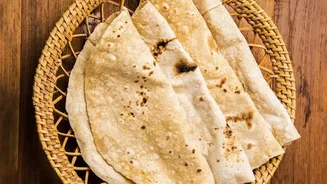
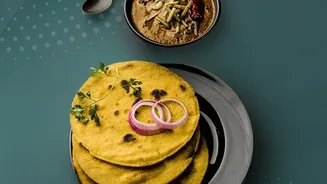
In the encyclopedia of Indian food, roti or chapati has always been the daily bread—simple, wholesome, and made fresh for almost every meal. It's the steadfast companion to dal, sabzi, and every home-cooked curry. Naan and kulcha, on the other hand, have
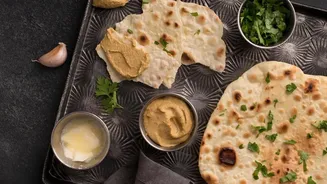
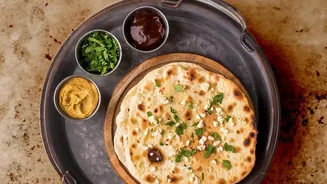
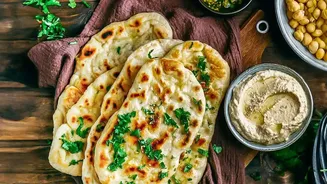
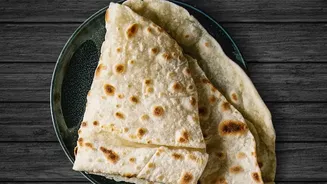
long been treated as celebratory fare. Richer, softer, and leavened, they were the breads you ordered at a restaurant to mark a special occasion. The effort of making them, which traditionally involves a tandoor oven, kept them firmly in the realm of professional kitchens, not home stovetops. That clear line is now beginning to blur, as these restaurant favourites make a steady migration into domestic life.
The Convenience Revolution
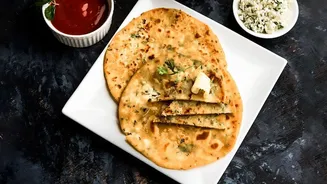
The single biggest driver of this shift is convenience. As urban lifestyles become more demanding and dual-income households become the norm, the demand for ready-to-eat (RTE) or ready-to-cook solutions has skyrocketed. The Indian bread market, which is projected to grow significantly, has responded with a slew of high-quality packaged products. Brands have perfected frozen and par-baked versions of naan, kulcha, and parathas that require just a few minutes on a tawa. This allows households to enjoy variety without the time-consuming process of kneading dough. The growth in the RTE food market, expected to reach USD 3.18 billion by 2031, is a testament to this trend, driven by working households and students who value time-saving meal options.
Bringing the Restaurant Experience Home
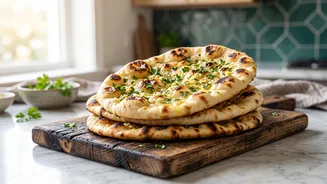
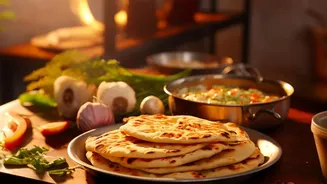
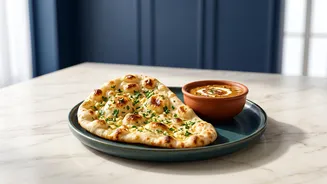
The desire to replicate dining-out experiences at home is another powerful factor. This trend, which gained momentum during the pandemic lockdowns, has persisted. Consumers learned to be more creative in their own kitchens, and brands have catered to this desire. A simple home-cooked meal of paneer butter masala or dal makhani feels instantly elevated when served with a fluffy garlic naan or a stuffed kulcha. It’s an easy and affordable way to make a regular dinner feel like a special treat. This behaviour is part of a larger trend where consumers are seeking novelty and unique flavours, even in staple categories like bread. These products bridge the gap between a completely home-cooked meal and ordering in.
A Broadening Palate
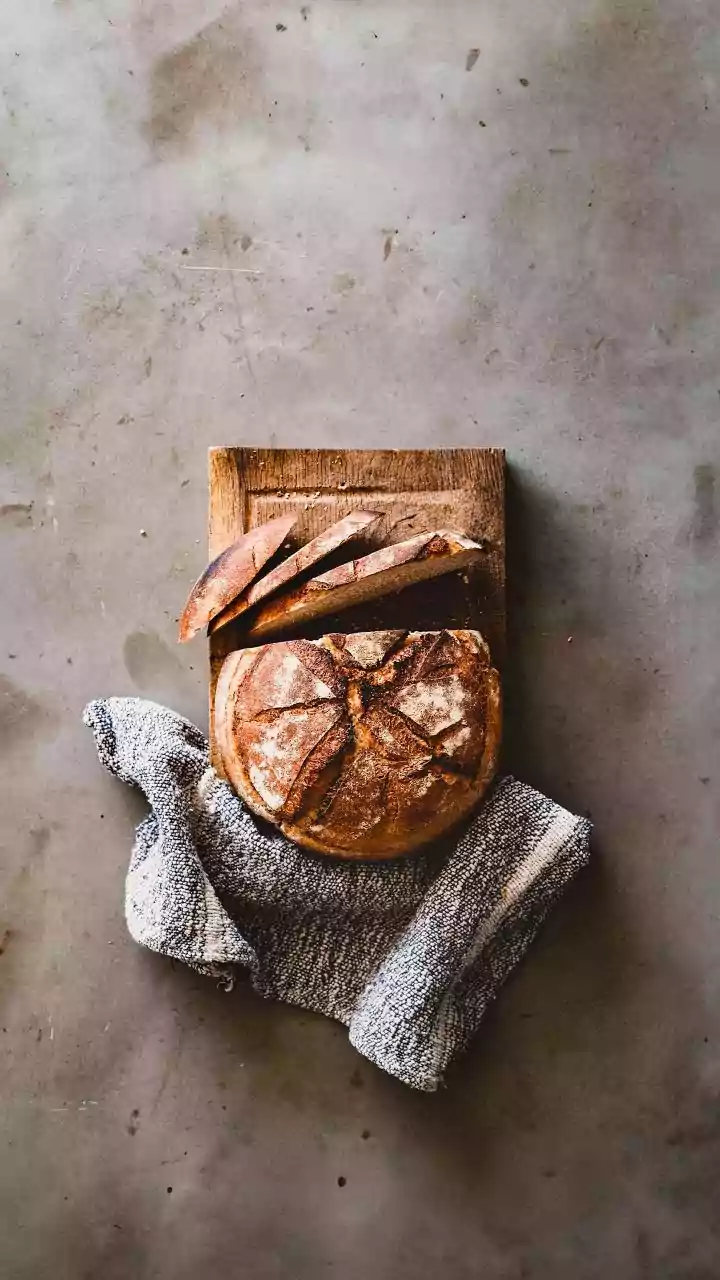
As palates evolve, so does the dinner plate. Younger generations, exposed to a wider variety of cuisines through media and frequent dining out, often crave more diversity in their daily meals. The simple roti, while cherished, now competes with an array of other bread options. Food companies have noticed this, introducing not just traditional flatbreads but also innovative flavoured breads with tastes like garlic and herbs to appeal to modern consumers. It's a reflection of a larger movement in Indian food consumption, where health, taste, and novelty are all key considerations for shoppers. The bread aisle is no longer just about white, brown, or whole wheat; it’s an expanding universe of textures and flavours.
Is the Roti Really at Risk?
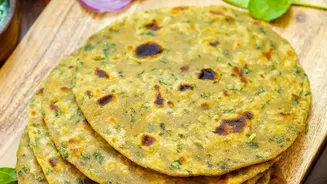
Despite the rising popularity of its richer cousins, it’s premature to announce the decline of the roti. The chapati is more than just food; it’s a cultural cornerstone, synonymous with home, comfort, and daily nourishment. What we are witnessing is not a replacement but an expansion of the Indian bread basket. Roti remains the everyday staple, especially for its health benefits as a source of whole wheat and fibre. Naan and kulcha are becoming the new semi-regular additions, appearing a few times a week or month when a family wants something different without the expense or hassle of going to a restaurant. The Indian meal is simply becoming more diverse, reflecting a modern nation that values both tradition and convenience.