

The Inner Path: How Yoga Cultivates Calm
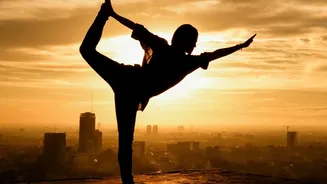
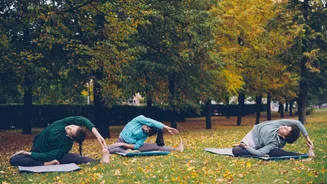
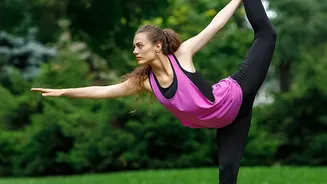
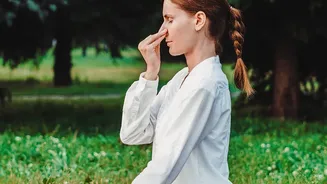
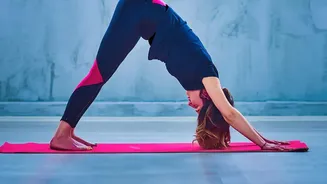
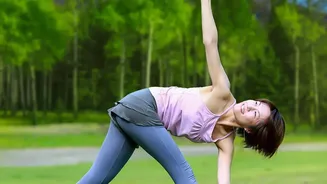
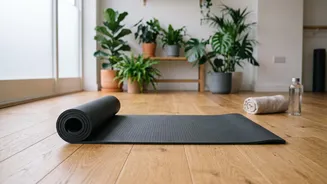
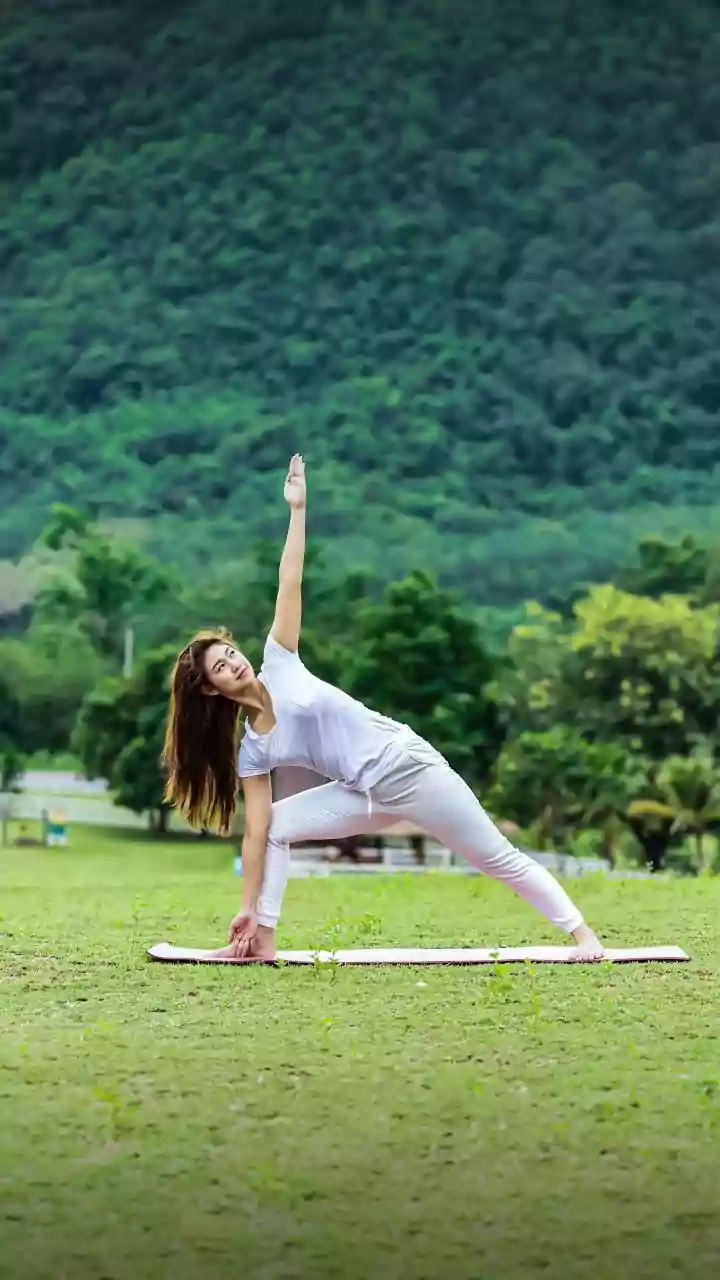
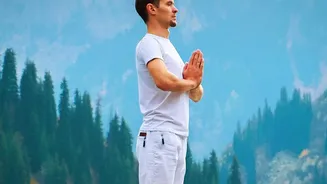
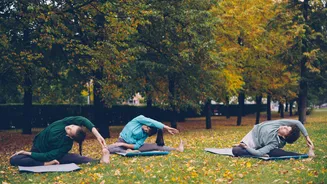
Yoga's approach to relaxation is a journey inward. The practice is built on a combination of physical postures (asanas), controlled breathing (pranayama), and meditation. This trio works together to activate the body’s parasympathetic nervous system,
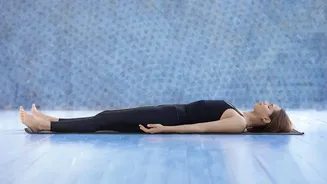
often called the 'rest and digest' system. When this system is engaged, it counteracts the body's 'fight or flight' stress response. Heart rate slows, blood pressure may decrease, and muscles begin to release stored tension. The magic of yoga lies in its deliberate and mindful nature. By focusing on the breath and the sensations within the body, practitioners are encouraged to stay in the present moment, which can quiet anxious thoughts. Poses like Child's Pose and Legs Up the Wall are specifically designed to be restorative, creating a deep sense of physical and mental release. This makes yoga an ideal choice for those seeking to de-stress through quiet solitude and heightened body awareness.
The Social Spark: How Dance Delivers Joy
Social dance finds relaxation through a completely different, more extroverted channel: energetic, expressive movement shared with others. The core benefit comes from a powerful cocktail of physical exertion, music, and social connection. Physical activity, including dancing, prompts the brain to release endorphins, which are natural mood elevators and pain relievers. When this is paired with music, which itself can reduce anxiety, the effect is amplified. But the 'social' aspect is key. Moving in synchrony with others builds a sense of belonging and non-verbal connection, which can combat feelings of isolation. Furthermore, appropriate physical contact in partner dancing, like holding hands, can trigger the release of oxytocin, the 'connection hormone', which is known to lower stress and promote bonding. This makes dance a powerful tool for those who feel re-energized by community and find release in letting loose.
Mindfulness vs. Musical Expression
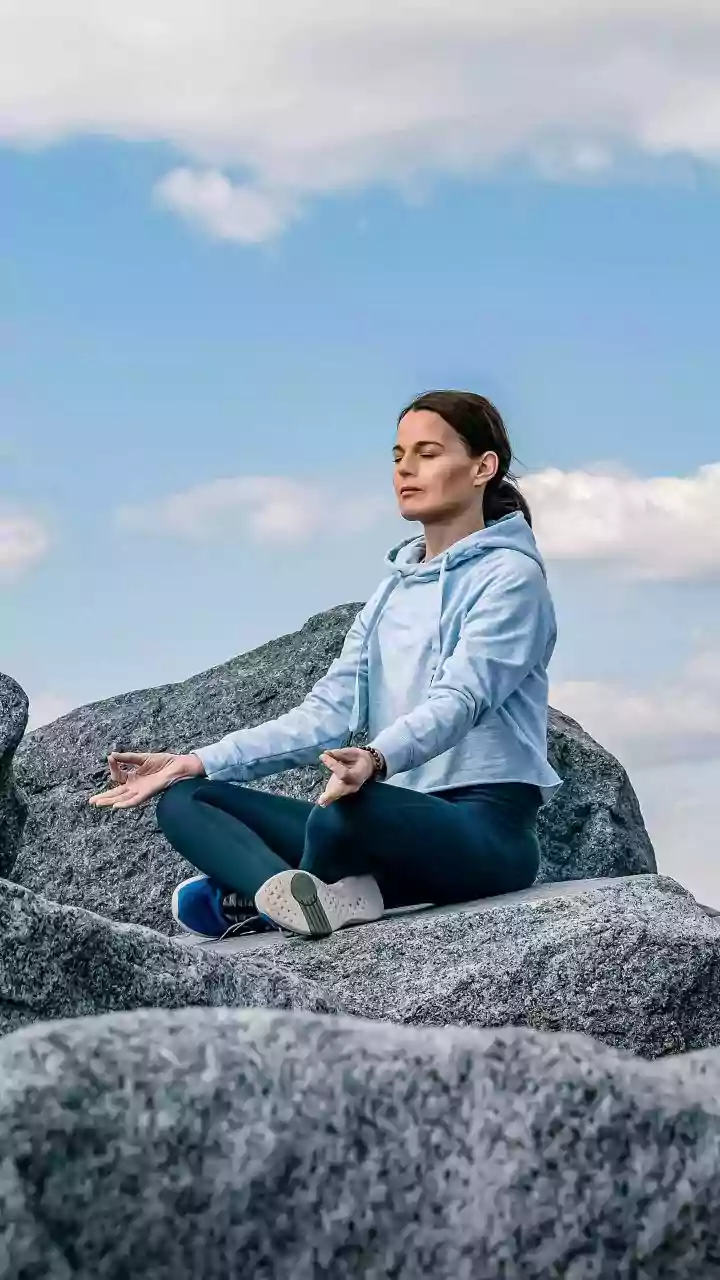
The fundamental difference in their relaxation methods comes down to focus. Yoga directs your attention inward, asking you to observe your breath and body with quiet concentration. It is an exercise in mindfulness. The goal is to calm the nervous system through stillness and controlled movement. Dance, on the other hand, directs your attention outward—to the music, to your partner, and to the movements of the group. It offers relaxation through distraction and expression. Instead of quieting the mind, you occupy it with rhythm, coordination, and social cues. Both can lead to a 'flow state' where daily worries fade, but they arrive there from opposite directions. One gets there through meditative focus, the other through expressive engagement.
The Energy Equation: Solitude or Socialising?
Your personality and your needs on a given day are the best guide to choosing between them. For an introvert or someone feeling overwhelmed and overstimulated, the quiet, personal space of a yoga practice can feel like a sanctuary. It’s a way to recharge your social battery by turning inward. For an extrovert or someone feeling lonely and disconnected, the lively, communal atmosphere of a social dance class can be the perfect antidote. The laughter, shared mistakes, and teamwork involved in learning a routine create easy bonds and a sense of community. One provides a release through peace and solitude; the other provides a release through energy and connection.
Which Is Right for You?
There is no superior choice, only a better fit for your current needs. Ask yourself what you're truly seeking. If your goal is to reduce stress by calming a racing mind, improving flexibility, and developing a stronger mind-body connection in a quiet environment, yoga is a fantastic option. Its benefits are rooted in calming the nervous system and fostering inner peace. However, if you're looking to boost your mood, release pent-up energy, meet new people, and find joy through music and movement, social dance might be the more effective choice. Some research even suggests that for combating certain symptoms of depression, the combination of music, movement, and social bonding in dance can be particularly powerful. The best activity is the one that leaves you feeling refreshed, restored, and ready to face the world again.