







Why Monsoon is a Threat to Your Plants
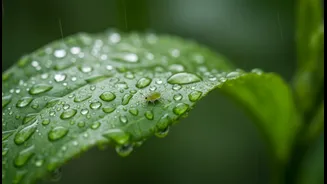
While the rains provide much-needed water, the combination of high humidity, reduced sunlight, and poor air circulation creates an ideal environment for fungal spores to thrive. When leaves remain wet for long periods, it allows fungi like powdery mildew,
downy mildew, and leaf spot to take hold. Overcrowded plants trap this moisture, making the problem worse. This is why a proactive approach is crucial for any gardener wanting to see their plants flourish through the rainy season.
The Science of Pruning for Prevention
Pruning is one of the most effective preventive measures against fungal infections. By strategically trimming away excess or overgrown branches, you thin out the plant's canopy. This simple action dramatically improves air circulation, allowing leaves to dry faster after a downpour. Better airflow lowers the humidity right around the plant, making the local environment less hospitable for fungal spores to germinate and spread. It's a simple, organic way to create a healthier, more resilient plant structure.
A Guide to Effective Monsoon Pruning
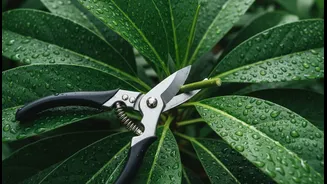
Proper technique is key to getting the benefits of pruning without harming your plant. Start by sterilising your tools, like secateurs or shears, with a simple disinfectant to avoid spreading diseases. Focus on removing any dead, damaged, or diseased branches first. Then, look for branches that are crossing over each other or growing inward toward the centre of the plant. Thinning these out will open up the structure. Make clean, angled cuts just above a leaf node, which encourages new growth in the right direction. Avoid removing more than one-third of the plant at once, as this can cause stress.
Identifying Common Fungal Diseases
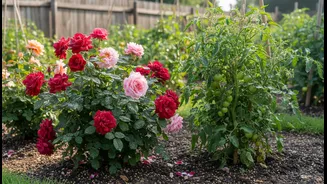
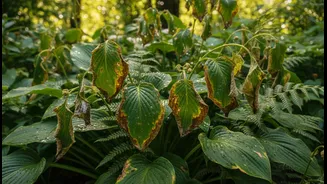
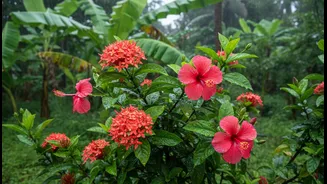
Knowing what to look for is half the battle. Keep a close eye on your plants for early signs of trouble. Powdery mildew appears as a white, flour-like dusting on the surface of leaves and is common on roses and hibiscus. Black spot, another rose affliction, shows as dark spots with yellow halos. Downy mildew often presents as yellow patches on the top of leaves with fuzzy grey mould underneath. Leaf spot diseases create brown or black spots that can damage foliage on a wide variety of plants. Early detection allows you to act quickly by removing the affected leaves.
Beyond Pruning: A Complete Defence Strategy
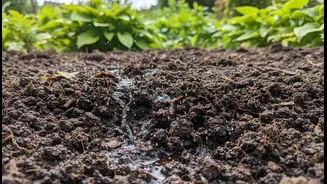
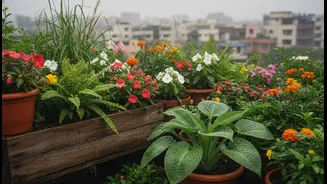
While pruning is vital, it works best as part of a complete garden care routine. Ensure your pots have excellent drainage to prevent waterlogged soil, which can lead to root rot. When you do water, aim for the base of the plant to keep the foliage as dry as possible. Applying a layer of organic mulch, like dry leaves or wood chips, can prevent fungal spores in the soil from splashing onto the lower leaves during heavy rain. For particularly susceptible plants, a preventive spray of a natural fungicide like neem oil can offer an extra layer of protection.