




The Age of the Ephemeral Meal
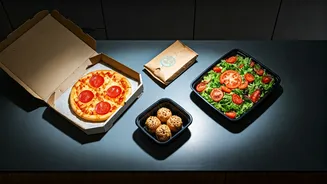
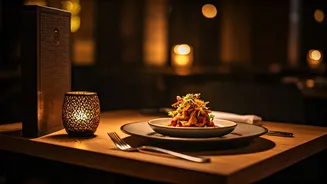
Our dining culture has been reshaped by the vertical screen. Platforms like Instagram and TikTok have turned food into a performance, where visual appeal often trumps taste. [23] The goal is to capture the most vibrant, over-the-top, or aesthetically
pleasing dish—the 'food porn' that will stop the scroll. [23, 41] This has created a culinary landscape driven by novelty, where restaurants and street vendors engineer dishes specifically for their photogenic qualities. [41] We chase flying dosas, cheese-drenched momos, and viral pasta recipes, often based on an influencer's recommendation. [41] It's a fast-paced hunt for the next big thing, a meal that exists as much for online validation as for physical consumption. The experience is fleeting; once posted, the trend, and often the memory, fades.
Stepping Into a Living Story
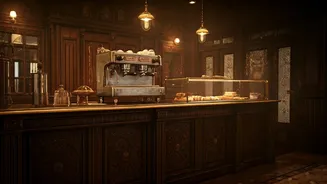
In stark contrast stand India’s century-old cafes. These are not mere eateries; they are institutions, living museums of culture and conversation. [35] Think of the Indian Coffee House in Kolkata's College Street, founded in a hall dating back to 1876. [33, 14] Its high ceilings and unhurried waiters have witnessed conversations between freedom fighters, poets, and filmmakers like Satyajit Ray. [24, 10] Or consider the Irani cafes of Mumbai, like Leopold (est. 1871) or Kyani & Co., which started as humble tea stalls and grew into cultural landmarks. [13, 33] To enter one of these places is to step away from the algorithm and into a narrative. The worn marble tabletops, bentwood chairs, and sepia-toned photographs aren't a curated aesthetic for a reel; they are the genuine patina of time. [8, 18]
Connection Over Content
The primary purpose of these heritage cafes was never content, but connection. They are the original ‘third places’—spaces outside home and work where community thrives. Kolkata’s coffee houses are famous for their *adda* sessions, sprawling, intellectual conversations that can last for hours over a single cup of coffee. [10, 24] These cafes were breeding grounds for political movements, literary magazines, and artistic collaborations. [10] In a world where dining out can involve everyone at the table holding their phones at shoulder height for the perfect shot, these establishments champion a different kind of engagement—with the people sitting across from you. [41] The joy isn't in documenting the moment, but in being fully present within it.
The Enduring Taste of Timelessness
The food in these cafes is the antithesis of a fleeting trend. You won’t find a deconstructed samosa or a foam-topped chai. Instead, the menu is a testament to consistency. At MTR in Bengaluru (est. 1924), the Rava Idli—a dish born of necessity during a World War II rice shortage—tastes much as it did decades ago. [5, 33] At Flurys in Kolkata (est. 1927), the rum balls and pastries are city legends, connecting generations through a shared taste of nostalgia. [7, 28] In Mumbai's Irani cafes, the simple pleasure of brun-maska (buttered bun) and chai has been a staple for factory workers, students, and artists for over a century. [18, 36] This food isn't designed to go viral; it's designed to be remembered, to offer comfort and a delicious link to the past.