

The Foundation: Matki Usal
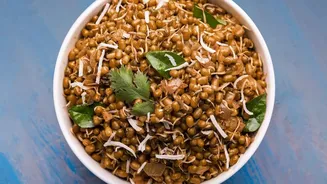
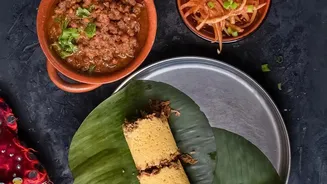
At the heart of every great Misal Pav is the 'usal', a wholesome curry made from sprouted moth beans, known as 'matki' in Marathi. These small, brown beans are prized for their nutty, earthy flavour and are a rich source of protein. The sprouting process
not only enhances their nutritional value but also makes them easier to digest. The matki is typically cooked into a moderately spiced curry, often with onions, tomatoes, ginger, garlic, and a touch of coconut. This usal forms the nutritious and hearty base of the dish, providing a substantive counterpoint to the spicier elements to come. While matki is traditional, some variations might use sprouted moong beans or a mix of sprouts.
The Fiery Soul: Kat, Tarri, or Rassa
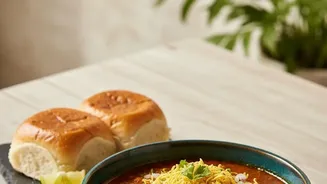
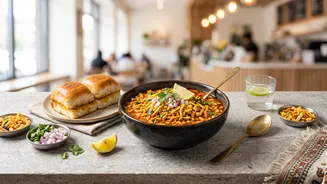
If the usal is the foundation, the 'kat' (also called 'tarri' or 'rassa') is the fiery soul. This is the thin, spicy gravy that is generously ladled over the usal, and it's what gives misal its signature punch. The kat is where regional identities truly shine. It's an intensely flavourful broth, made from a base of onion, coconut, and a complex blend of spices like coriander, cumin, cloves, cinnamon, and, crucially, dried red chillies that give it its vibrant colour and heat. A characteristic feature of a well-made kat is the layer of flavour-infused oil, called 'tarri' or 'tavang', that floats on top, a sight that promises a flavour explosion. The spiciness can range from mild to scorching, depending on the region.
The Essential Crunch: Farsan
What is a bowl of misal without its signature crunch? This vital textural element is provided by 'farsan', a generic term for a variety of savoury, fried Indian snack mixtures. This can include anything from thick sev (crispy gram flour noodles) and boondi to a mixed 'chiwda' that might contain fried lentils, peanuts, and flattened rice. This crunchy layer is added just before serving, ensuring it doesn't get soggy in the gravy. The farsan's salty, crispy nature provides a perfect contrast to the soft sprouts and the liquid gravy, making every spoonful a multi-textured delight. It’s an indispensable part of the misal experience.
The Perfect Partner: Ladi Pav
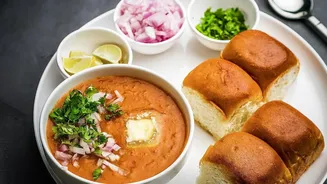
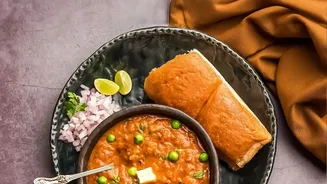
The 'pav' in Misal Pav is not just a sidekick; it's an essential partner. This refers to a specific type of soft, slightly sweet, yeast-leavened bread roll, often sold in a connected block or 'ladi'. Its primary role is to be a vehicle for the misal, perfect for soaking up the delicious, spicy kat. The pav's soft, absorbent texture and subtle sweetness provide a much-needed balance to the fiery and complex flavours of the misal. Sometimes the pav is served plain, while other times it might be lightly toasted with butter, adding another layer of richness to the overall dish.
The Finishing Touches
The final assembly brings everything together and adds freshness and zing. A generous sprinkle of finely chopped raw onions and fresh coriander leaves is a must, adding a sharp, fresh bite. A wedge of lemon or lime is always served alongside, allowing you to squeeze its juice over the top to cut through the richness and add a bright, tangy note. In some variations, you might also find a topping of chopped tomatoes or even a dollop of cool dahi (curd) to help temper the spice. These garnishes aren't just for show; they are crucial for balancing the dish.
A Dish of Many Faces
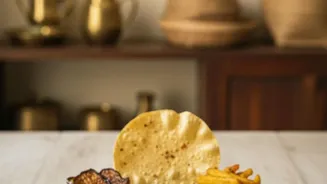
While the core components remain, Misal Pav has many regional personalities. Kolhapuri Misal is legendary for its intense spiciness, often using a special 'kanda lasun masala' (onion-garlic spice blend). In contrast, Puneri Misal is often milder, sometimes with a sweet and tangy flavour profile, and may include a layer of 'pohe' (flattened rice). The Nashik version is known for its unique black gravy ('kala rassa') made with roasted spices and is traditionally served with a papad. Each variation tells a story of its region's palate, making the exploration of misal a delicious journey through Maharashtra itself.