

Garam Masala: The Warming Finisher
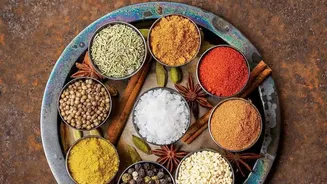
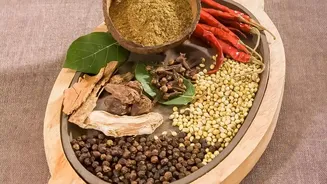
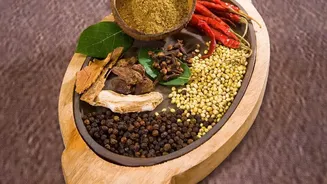
Perhaps the most famous Indian spice blend, Garam Masala translates to 'warm spice mix'. It's not about chilli heat, but rather the warmth it brings to a dish. Typically a finishing spice, it is often sprinkled over a curry or dal at the end of cooking
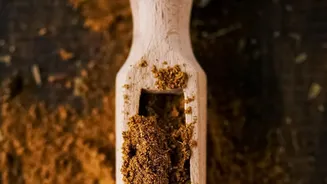
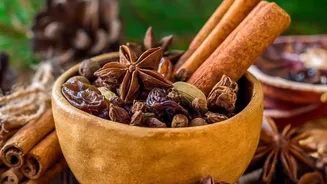
to preserve its potent aroma. The composition varies significantly by region and household, but a classic North Indian blend often includes cinnamon, cloves, black pepper, and both green and black cardamom, built on a base of cumin and coriander. These spices are toasted to release their essential oils and then ground. The resulting flavour is deeply aromatic, slightly sweet, and pungent, designed to add a final layer of complexity to rich dishes like butter chicken or dal makhani.
Sambar Powder: The Soul of the South
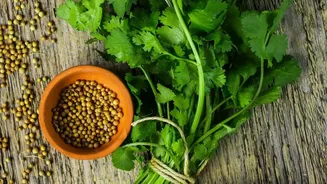
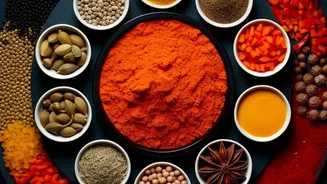
No South Indian kitchen is complete without Sambar Powder. This aromatic blend is the foundation for sambar, a tangy and hearty lentil-based stew that is a staple served with rice, idli, and dosa. Unlike garam masala, this blend is a core cooking ingredient. Its recipe involves roasting and grinding a variety of spices and lentils, including coriander seeds, dried red chillies, cumin seeds, fenugreek, and often dals like chana dal and urad dal. This combination gives the powder its characteristic flavour profile which is earthy, spicy, and deeply savoury. Each family and region has its own unique version, but the purpose remains the same: to give sambar its signature taste, aroma, and texture.
Panch Phoron: The Five-Seed Temper
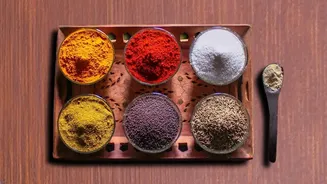
Hailing from Eastern India, particularly Bengal, Panch Phoron means 'five spices'. It stands apart because it's a blend of whole seeds, not a powder. The five spices are typically used in equal parts: fenugreek seeds (methi), nigella seeds (kalonji), cumin seeds (jeera), black mustard seeds (rai), and fennel seeds (saunf). Its primary use is in tempering, known as 'phoron' or 'tadka'. The seeds are sizzled in hot oil or ghee at the beginning of the cooking process, releasing their distinct aromas and flavours into the oil. This infused oil then becomes the flavour base for lentil dals, vegetable dishes, and fish curries. The seeds themselves add a delightful textural crunch and a layered flavour that is nutty, slightly bitter, and aromatic.
Chaat Masala: The Tangy Street Food Star
If you've ever craved the lip-smacking flavour of Indian street food, you've tasted the magic of Chaat Masala. This is a finishing spice, sprinkled over snacks, fruit salads, and drinks to add a powerful punch. Its defining characteristic is a complex tangy, salty, and slightly spicy flavour profile. The unmistakable tang comes from amchur (dried mango powder), while the unique savoury, almost sulphurous note comes from kala namak (black salt). These are balanced with other spices like roasted cumin, coriander, and a hint of chilli. It's not used during cooking, as heat diminishes its bright punch. A pinch of chaat masala can instantly elevate everything from a simple fruit chaat to fried snacks, adding that irresistible 'chatpata' taste.
Goda Masala: The Fragrance of Maharashtra
Goda Masala, sometimes called Kala Masala, is the quintessential spice blend of Maharashtrian cuisine. The name 'goda' means sweet, pointing to its flavour profile which is aromatic and mildly sweet, rather than fiery hot. This blend is complex, featuring unique ingredients like dagad phool (stone flower) and sometimes desiccated coconut and sesame seeds, which lend a distinct nutty and earthy aroma. It often includes spices like coriander, cumin, cinnamon, cloves, and bay leaves. The spices are carefully roasted, some dry and some in a little oil, to develop a deep, dark colour and rich fragrance before being ground. This masala is the soul of many traditional Maharashtrian dishes, including lentil preparations (amti), vegetable stir-fries (usal), and spiced rice (masale bhaat).