

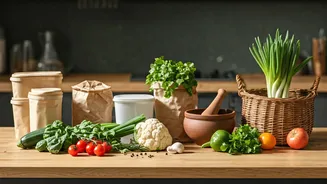




The Great Kitchen Rebrand
Not long ago, 'budget cooking' was a phrase whispered with a hint of shame, a private struggle against rising expenses. It was about stretching every last rupee and making do. Today, that narrative has completely flipped. Frugality in the kitchen is no
longer about deprivation; it's about optimisation. It has been rebranded as a smart, conscious, and even cool way to live. This shift is less about what you can't afford and more about what you choose to prioritise: health, sustainability, and the satisfaction of creating something delicious from simple, affordable ingredients. It’s a proactive choice, a way to reclaim control in an economy where so much feels uncertain.
Driven by Screens and Spreadsheets
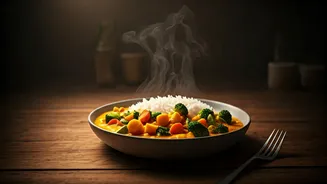
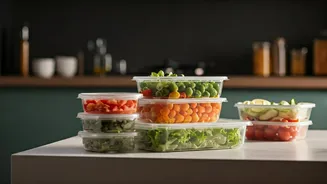
Social media has played an enormous role in this transformation. Instagram and YouTube are flooded with Indian food creators who make budget cooking look aspirational. They showcase colourful, meticulously planned weekly meal preps, share clever 'jugaad' hacks to make expensive ingredients at home, and build communities around the shared goal of eating well for less. The aesthetic is clean, organised, and appealing. Seeing a week's worth of healthy, home-cooked meals neatly packed in containers is far more inspiring than a picture of a single expensive dish at a restaurant. This digital movement has gamified saving money, turning it into a challenge of creativity and skill rather than a marker of hardship.
More Than Just Saving Money
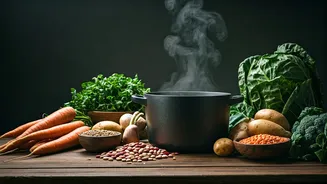
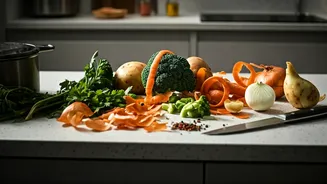
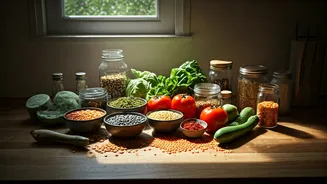
While the financial benefits are the entry point for many, the lifestyle endures because the rewards are multifaceted. Firstly, there's the wellness aspect. When you cook from scratch, you control every ingredient—the amount of oil, salt, and sugar. This has become a huge draw for health-conscious millennials and Gen Z. Secondly, it's a powerful move towards sustainability. Budget cooking inherently encourages using up leftovers, buying seasonal produce, and minimising food waste, all of which are key tenets of eco-conscious living. The act of turning vegetable peels into broth or leftover dal into parathas isn't just frugal; it's a statement against a throwaway culture. It's about respecting resources and the food on your plate.
The New Marker of Success
In urban India, the traditional markers of success are being re-evaluated. While a fancy car or a designer bag still holds appeal, a new kind of status symbol is emerging: capability. Being able to host a dinner party with an impressive, home-cooked meal made on a budget signals a different kind of wealth—a wealth of skill, resourcefulness, and creativity. It says you are savvy, organised, and in control of your life. This competence is becoming a highly attractive trait. Bragging about how little you spent on a delicious meal has replaced the brag about how much you spent, marking a significant cultural shift in what we value and admire in our peers.
A Modern Take on Old Wisdom
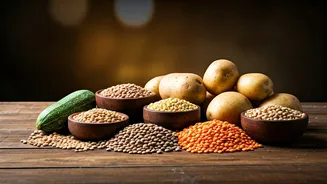
In many ways, this 'new' trend is simply a return to our roots. For generations, Indian households have been masters of frugality. The principles of using every part of the plant, repurposing leftovers, and creating flavour from a simple pantry are deeply embedded in our culinary heritage. What's different now is the context and the intention. It's not just about passing down traditions from a grandmother; it's about consciously adopting these practices and adapting them for a modern, fast-paced life. It’s the fusion of age-old wisdom with modern tools like meal-planning apps and online grocery deals, making it relevant and accessible for a new generation.