


Monsoon Gardening 101
Gardening during the Indian monsoon is uniquely rewarding. The humid air and regular showers mean many tropical plants grow faster and look more lush with less effort from you. However, the biggest challenge in an apartment setting is preventing waterlogging.
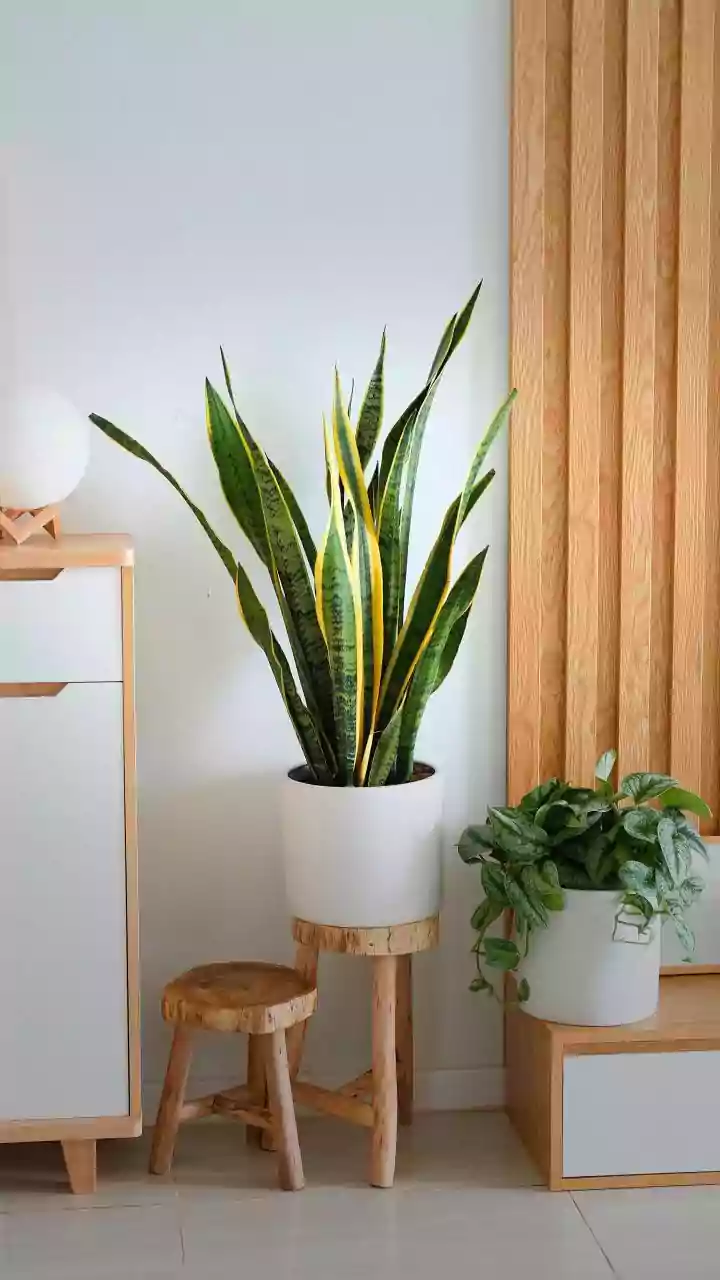
Ensure every pot has a drainage hole at the bottom. It’s also wise to lift your pots slightly off the ground using stands or bricks to allow excess water to escape freely and prevent root rot. Since you'll be watering less manually, your main tasks will be to ensure good drainage, watch for common monsoon pests like snails, and prune regularly to encourage healthy growth.
Spider Plant (Chlorophytum comosum)
The Spider Plant is a champion for beginner gardeners. It’s incredibly resilient and forgiving, making it perfect for those who are still developing their green thumb. During the monsoon, its ability to tolerate moisture fluctuations is a huge advantage. These plants produce 'babies' or plantlets that dangle from the mother plant, and this process accelerates in the high humidity of the rainy season. This makes it easy to propagate and fill up your balcony railings with new, free plants. They are also known for their air-purifying qualities, helping to freshen up indoor spaces. Place them in a spot with bright, indirect light and use a well-draining soil mix.
Peace Lily (Spathiphyllum)
If you want a touch of elegance, the Peace Lily is an excellent choice. With its glossy dark green leaves and iconic white spathes that look like flowers, it adds a sophisticated flair to any room. Peace Lilies thrive in the high humidity and lower light conditions that are typical of the monsoon months. They are great communicators, visibly drooping when they need water, which helps prevent the common monsoon mistake of overwatering. These plants are also celebrated for their ability to clean indoor air, making your home not just greener but healthier too. Keep them in a spot with filtered light and water only when the topsoil feels dry.
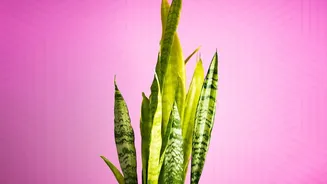
Snake Plant (Dracaena trifasciata)
Often called the 'unkillable' plant, the Snake Plant is the ultimate low-maintenance companion. It’s a succulent, which means it stores water in its leaves, but unlike many other succulents, it handles the humidity of the monsoon season exceptionally well, provided it's not left standing in water. Its upright, architectural leaves make a bold statement in modern apartments. The Snake Plant is very tolerant of irregular watering and can survive in a wide range of light conditions, from low light to bright, indirect sun. For monsoon care, simply ensure its pot has excellent drainage and reduce watering significantly, letting the soil dry out completely between sessions.
Money Plant (Epipremnum aureum)
A staple in many Indian homes, the Money Plant, or Pothos, is famously easy to grow. This versatile vine thrives in the warm, humid monsoon weather. You can grow it in soil or just a bottle of water, making it adaptable to any corner of your apartment. Its heart-shaped leaves become especially vibrant during the rains. It's a fast grower and can be trained to climb a trellis or trail beautifully from a hanging basket. Be mindful not to overwater it when grown in soil; checking the soil's moisture is key. Its resilience and rapid growth make it a satisfying plant for both new and experienced gardeners.
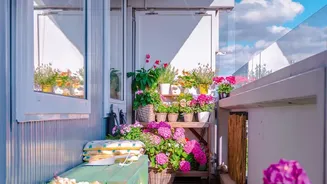
Balsam (Impatiens balsamina)
If you want to add a pop of colour to your balcony, look no further than Balsam, locally known as 'Gul Mehendi'. This is a classic Indian monsoon annual that truly comes alive in the rain. It produces beautiful flowers in shades of pink, red, purple, and white that stand out against the grey skies. Sow the seeds in a pot with good drainage just as the monsoon begins, and you'll have a cheerful display by mid-season. They love the consistent moisture from the rain but still need protection from the most torrential downpours that could damage their delicate flowers and stems.