







A New Beginning for an Ancient Predator
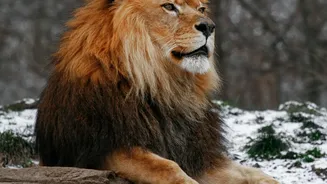
The most profound change in Barda’s wildlife is the return of the Asiatic lion after a 144-year absence. This historic comeback began with the natural dispersal of a lone male from the Gir landscape in January 2023. Recognizing a golden opportunity, the Gujarat
Forest Department followed this by introducing five females to establish a breeding population. The effort, part of the national 'Project Lion', has been a resounding success. By late 2025, the sanctuary was home to a growing family of 17 lions, including six adults and eleven cubs, officially establishing Barda as a crucial second home for the species. This move is vital for de-risking the world’s only wild population of Asiatic lions, which had been concentrated solely in the Gir region, making them vulnerable to disease outbreaks.
Preparing the Perfect Habitat
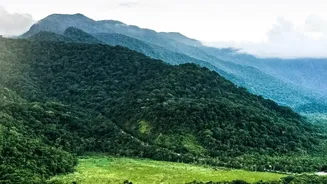
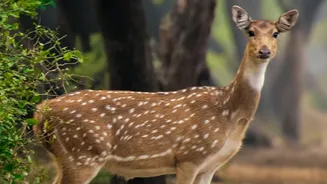
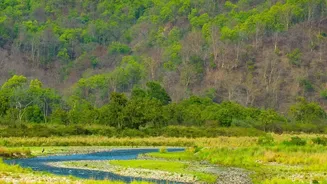
The return of the lions was no accident but the result of decades of meticulous preparation. Since 1979, the Gir-Barda Project has worked to develop this 192-square-kilometre sanctuary into a suitable habitat. These efforts have focused on restoring the natural ecosystem, which includes rugged hills, grasslands, and mixed deciduous forests that closely resemble the lions' home turf in Gir. A key aspect has been boosting the prey population. To sustain the new predators, the forest department has been actively translocating herbivores. Since 2007, hundreds of spotted deer (chital) and sambar have been released into Barda through captive breeding programs and relocations from Gir. A recent study confirmed that lions are thriving, with a diet primarily consisting of wild pig, supplemented by nilgai and, occasionally, domestic cattle from surrounding areas.
More Than Just Lions
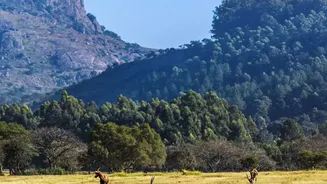
While the lions have captured the headlines, Barda is a biodiversity hotspot in its own right, supporting a wide array of other wildlife. The sanctuary is home to over 260 species of mammals and birds. Other resident carnivores include leopards, striped hyenas, and golden jackals. The herbivore population, crucial for maintaining ecological balance, includes blue bulls (nilgai), wild boars, and chinkara. The sanctuary's diverse flora, with approximately 650 plant species, provides shelter and sustenance for this rich fauna. Conservation efforts extend beyond the big cats, including habitat restoration, removal of invasive plant species, and soil and moisture conservation to ensure the entire ecosystem thrives.
People, Coexistence, and the Path Forward
The success of Barda also hinges on its relationship with the local communities. The sanctuary is home to several pastoral groups, including Maldharis, who have lived within its boundaries for generations. To minimize human-wildlife conflict and free up core areas for wildlife, the government has initiated a voluntary relocation scheme, offering financial packages to families who choose to move outside the sanctuary. This community-centric approach aims to provide relocated families with better access to education, healthcare, and livelihoods. Simultaneously, the rise of ecotourism, with jungle safaris and trained local guides, is creating new employment opportunities and fostering public awareness, generating a sense of shared ownership in Barda's conservation success.