



The Magic of Stepwells After Dark
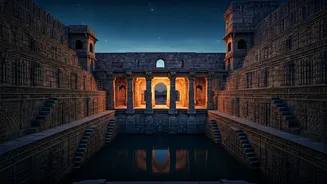
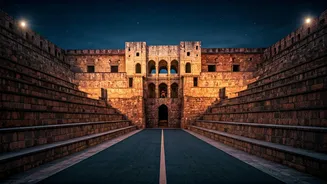
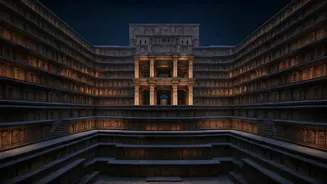
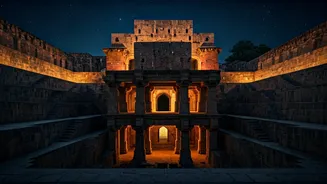
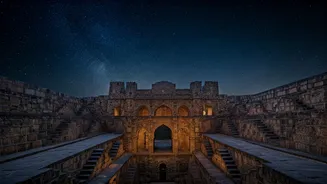
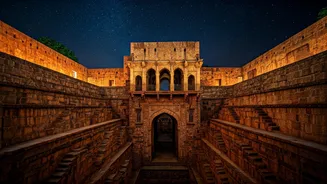
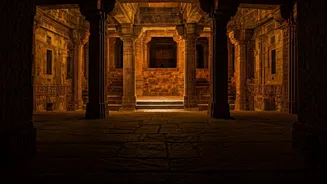
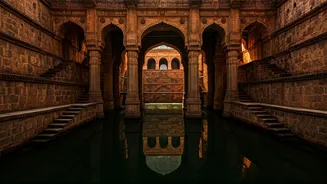
By day, stepwells are marvels of engineering and history. By night, they become portals to another time. The absence of daytime crowds allows for an intimate connection with the space. The play of artificial light, or even moonlight, on the intricate
carvings and dizzying geometric steps creates a spectacle that is both eerie and beautiful. For a photographer, this is a golden opportunity. Long exposures can smooth water surfaces, capture star trails against the ancient stone, and reveal details hidden in the daylight. It’s a chance to move beyond the typical tourist snapshot and create something truly atmospheric and unique.
Essential Gear for Night Shoots
Packing the right equipment is crucial for successful night photography. Don’t leave home without these essentials: - **A Sturdy Tripod:** This is non-negotiable. Long exposures require your camera to be perfectly still to avoid blurry images. - **A DSLR or Mirrorless Camera with Manual Mode:** You need control over shutter speed, aperture, and ISO. - **A Wide-Angle Lens:** A lens in the 16-35mm range is ideal for capturing the grand scale and immersive geometry of a stepwell. - **A Remote Shutter Release or Self-Timer:** Pressing the shutter button manually can cause camera shake. A remote or timer eliminates this. - **A Headlamp or Torch:** Essential for navigating the dark steps safely and for adjusting your camera settings. A red light mode is a bonus as it preserves your night vision.
Chand Baori, Rajasthan: A Geometric Dream
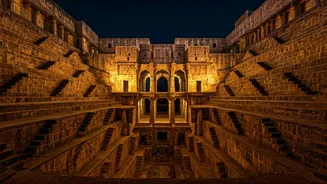
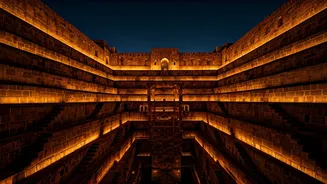
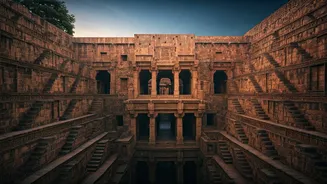
Located in the village of Abhaneri near Jaipur, Chand Baori is one of India's most famous and visually striking stepwells. Its 3,500 narrow steps descending 13 stories create a mesmerising, almost hypnotic pattern. While night access can be restricted, the stepwell is often illuminated during local festivals or special events, which are the perfect times to visit. Check with local guides or the tourism office for such opportunities. **Photography Tip:** Use the symmetrical staircases as leading lines to draw the viewer's eye into the frame. Place your tripod on one of the upper levels to capture the sheer depth and scale of the structure. A long exposure of 15-30 seconds will beautifully render the textures of the stone under artificial light.
Adalaj ni Vav, Gujarat: An Ornate Wonder
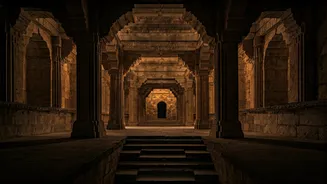
Just a short drive from Ahmedabad, Adalaj Stepwell (or Adalaj ni Vav) is a stunning example of Solanki architecture. Unlike the stark geometry of Chand Baori, Adalaj is famed for its intricate carvings of deities, animals, and daily life that adorn its pillars and walls across five levels. The stepwell is often open and lit in the evenings, making it one of the more accessible options for night photography. **Photography Tip:** Focus on details. Use your torch to 'light paint' specific carvings during a long exposure, making them stand out against the darker background. Experiment with different angles from the side landings to capture the interplay of light and shadow across the octagonal openings.
Rani ki Vav, Gujarat: A UNESCO Masterpiece
A UNESCO World Heritage Site in Patan, Rani ki Vav is an exceptionally grand and elaborate stepwell, designed as an inverted temple honouring water. It features over 500 principal sculptures and more than a thousand minor ones. As a protected monument, night access is heavily regulated. However, the site is occasionally illuminated for cultural events like the Rani ki Vav Festival. Planning your trip around these dates is your best bet. **Photography Tip:** If you do get the chance, your goal is to capture its grandeur. A vertical composition works well here, emphasising its depth. Focus on the main axis of the well, using the pillared corridors on each level to create a sense of scale and rhythm in your photograph.
Safety and Respectful Photography
Exploring ancient sites at night requires a responsible approach. Always prioritise safety. If possible, visit with a friend or a local guide. Be mindful of your surroundings—the steps can be uneven and steep. Equally important is respecting the heritage of the site. Do not climb on fragile structures, leave any litter behind, or do anything that could damage the monument. You are a guest in a place of historical and cultural significance. Your photography should celebrate the site, not harm it.