





Choose Your Bag Wisely
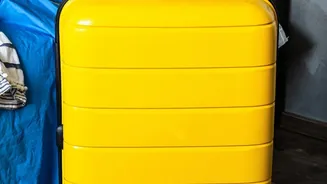
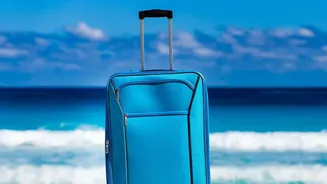
Your first step to beating checked bag fees is selecting the right luggage. Most airlines allow one cabin bag and one personal item. For your main bag, opt for a lightweight, soft-shell suitcase or a travel backpack that fits standard cabin dimensions,
which are typically around 55cm x 40cm x 20cm. A lighter bag means you can pack more without exceeding airline weight limits, which can be as low as 7kg on some international carriers. For your personal item, a backpack or large tote is ideal. It can hold your electronics, documents, a change of clothes, and any in-flight essentials, effectively doubling your packing space without costing you an extra rupee.
Curate a Capsule Wardrobe
The key to light packing is not packing less, but packing smarter. A capsule wardrobe is a small collection of items that can be easily mixed and matched. For a four-day trip, a simple formula like the 5-4-3-2-1 rule can be a lifesaver. This might translate to five tops, four bottoms, three pairs of shoes, and so on, but a simpler version for a short trip works best. Think three or four versatile tops, two pairs of bottoms (like jeans and a pair of smart trousers), one layering piece such as a cardigan or light jacket, and one slightly dressier option for evenings. Choose a neutral colour palette (navy, grey, black) and add pops of colour with accessories like scarves, which take up minimal space.
Embrace Packing Cubes
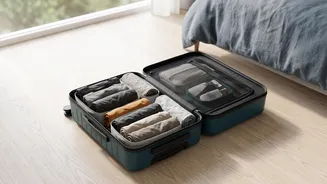
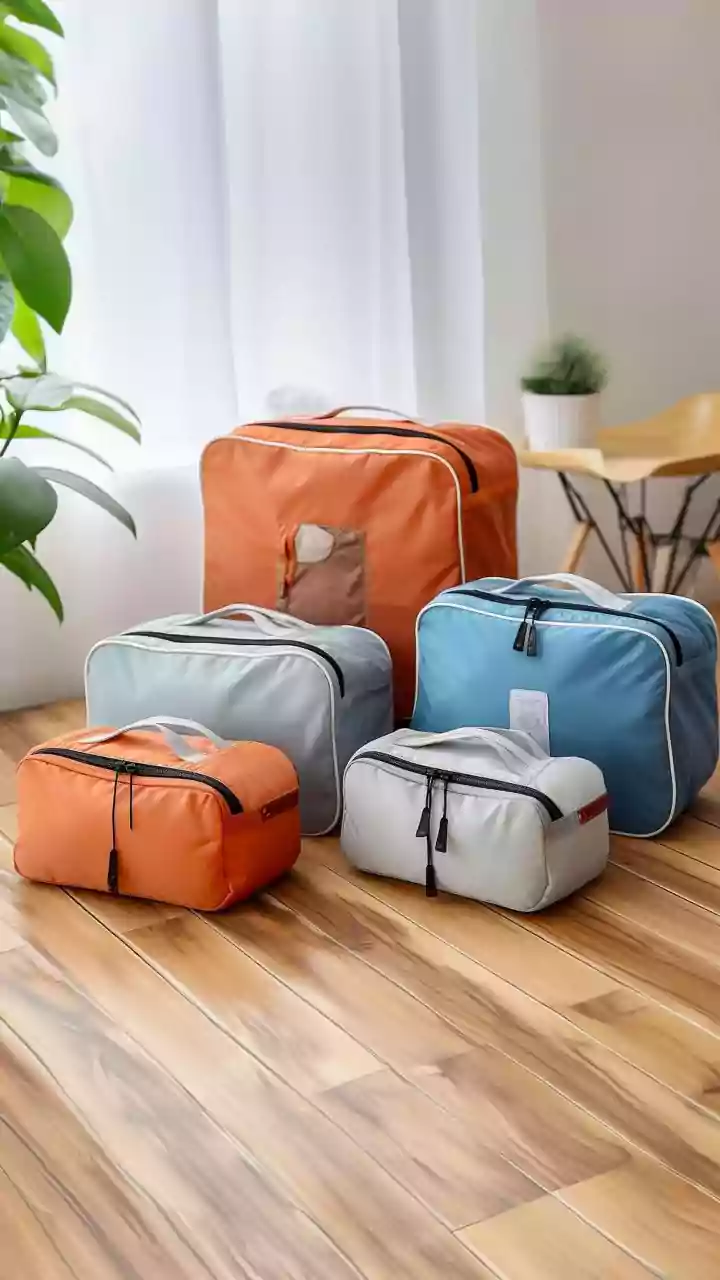
If you haven't used packing cubes, you're missing out on a game-changing travel tool. These small, zippered bags help you compartmentalise and compress your clothing, creating significantly more space in your suitcase. Group similar items together—one cube for tops, another for bottoms, one for underwear and socks. This not only keeps your bag incredibly organised but also makes unpacking at your destination a breeze. Compression sacks, which allow you to vacuum out excess air, are another excellent option for bulkier items like sweaters, though they can add weight and cause wrinkles.
Master Rolling and Folding
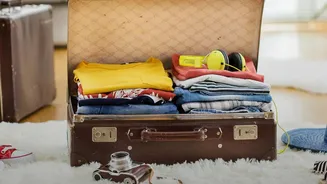
How you place items in your bag matters. The age-old debate of rolling versus folding has a simple answer: use both. Rolling is fantastic for softer, wrinkle-resistant fabrics like t-shirts, knitwear, and jeans. It compresses them into tight cylinders that can be packed snugly together, filling every inch of space. For more structured items like blazers, dress shirts, or trousers made from easily creased material, a neat fold is better. Place these folded items on top of your rolled clothes to minimise wrinkles and keep them looking fresh for when you arrive.
Shrink Your Toiletries
Liquids are the enemy of carry-on travel, thanks to security restrictions. Decant your essential liquids—shampoo, conditioner, lotion—into reusable travel-sized bottles (100ml or less). Better yet, explore the world of solid toiletries. Solid shampoo bars, conditioner bars, and toothpaste tablets eliminate the liquid issue entirely, saving space and preventing disastrous leaks in your bag. Also, consider multi-purpose products. A tinted moisturiser with SPF, for example, can serve three functions in one small tube. This strategy dramatically reduces the bulk and weight of your toiletry kit.
Wear Your Heaviest Items
This is one of the simplest and most effective packing hacks. Identify your bulkiest items and wear them on the plane. This typically includes your heaviest pair of shoes (like boots or sneakers), your jacket or coat, and any chunky sweaters or hoodies. It might feel a little cumbersome while boarding, but once you're on the plane, you can easily stow your jacket in the overhead bin. This single move can free up a tremendous amount of space and shave precious kilograms off your carry-on's weight, ensuring you don't face any surprise fees at the gate.