






A glass of fresh juice seems like the pinnacle of healthy choices. But is it truly better than eating the fruit itself? The answer lies in what's lost during the juicing process. Let's explore the key differences using two popular fruits.
The Core Difference: Fibre Content
The single most
significant difference between whole fruit and fruit juice is the fibre content. When you eat a whole fruit, you consume everything—the flesh, the pulp, and often the skin. These parts are packed with dietary fibre. Juicing, by its nature, is a process of extraction. It separates the liquid from the solid parts, which means the vast majority of that beneficial fibre is left behind. For instance, a cup of pineapple chunks contains over 2 grams of fibre, while a cup of pineapple juice has only about 0.5 grams. This fibre is crucial for digestive health, promoting regularity and feeding beneficial gut bacteria.
The Sugar Story: Absorption and Blood Sugar
Without fibre to slow things down, the sugar in fruit juice hits your bloodstream much faster than the sugar in whole fruit. In whole fruit, sugars are bound within the plant's cellular structure. Your body has to work to break down these structures, leading to a slow, steady release of sugar into the bloodstream. Fruit juice, however, provides a concentrated dose of what are called 'free sugars'. This can cause a rapid spike in blood glucose and insulin levels, similar to what happens when you drink a sugary soft drink. Over time, large-scale studies have associated high consumption of fruit juice with an increased risk of type 2 diabetes, whereas whole fruit consumption is linked to a lower risk.
Pineapple: A Tropical Showdown
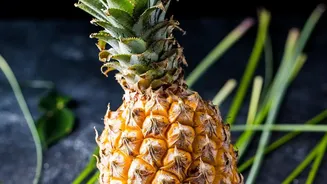
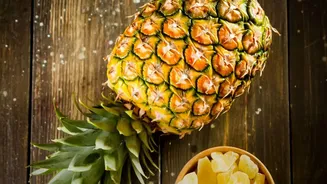
Let's look at pineapple. A cup of fresh pineapple chunks has around 83 calories, 16 grams of sugar, and 2.3 grams of fibre. It's also an excellent source of vitamin C and contains bromelain, an enzyme that can aid digestion. In contrast, a cup of unsweetened pineapple juice contains significantly more calories (around 133) and sugar (25 grams), with almost no fibre. While the juice still provides vitamin C, the overall package is less balanced. The higher calorie and sugar density in the juice, without the filling effect of fibre, makes it much easier to consume in excess compared to the whole fruit.
Pear: A Fibre-Rich Comparison
Pears are another fantastic example. A medium-sized pear contains about 101 calories, a respectable 17 grams of sugar, and an impressive 5.5 grams of dietary fibre. This high fibre content, particularly soluble fibre, helps slow digestion and can improve blood sugar control. Now, consider pear juice. While less common commercially, the nutritional shift is the same. The fibre is nearly eliminated, concentrating the sugar and calories. A whole pear is a filling, fibre-rich snack that supports digestive health, whereas pear juice is primarily a source of liquid sugar. Studies have shown that fruits like apples and pears are particularly associated with a lower risk of chronic diseases when eaten whole.
Vitamins and Satiety: The Full Package
While juicing retains many water_soluble vitamins like vitamin C, other beneficial compounds can be lost. Antioxidants and phytonutrients often found in the pulp and skin of fruits are discarded along with the fibre. Furthermore, the act of chewing and the bulk of whole fruit contribute to feelings of fullness, or satiety. It takes time and effort to eat three whole oranges, but you can drink the juice of three oranges in under a minute. This makes it easy to overconsume calories and sugar from juice without feeling full, which can contribute to weight gain.