




Carrots and spinach are staples in any Indian kitchen, adding colour, flavour, and nutrition to countless dishes. But how do they stack up against each other, and how can we make the most of what each has to offer in our daily cooking?
A Nutritional Power Play
When it comes to
nutrition, carrots and spinach are both heavyweights, but they shine in different areas. Carrots are famously rich in beta-carotene, a compound your body converts into Vitamin A. This vitamin is crucial for good vision, a strong immune system, and healthy skin. In fact, a single serving of carrots can provide a significant portion of your daily Vitamin A needs. Spinach, or palak, on the other hand, is a champion of other essential nutrients. It is packed with Vitamin K, which is vital for blood clotting and bone health. It's also an excellent source of iron, manganese, and folate. While carrots contain some of these minerals, spinach offers them in much higher quantities. For instance, spinach contains significantly more iron and calcium per gram than carrots. So, it's not a question of which is better, but rather how their unique strengths can complement each other on your plate.
The Vibrant Versatility of Carrots
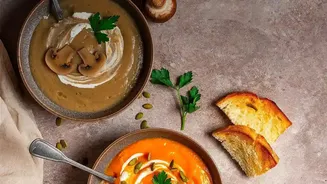
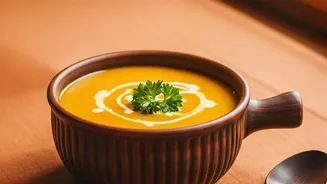
In Indian cuisine, the carrot is a marvel of versatility. Its natural sweetness makes it the star of desserts like 'Gajar ka Halwa', a rich pudding of grated carrots, milk, and sugar that is a beloved winter treat. But its talents don't end there. Carrots add a subtle sweetness and texture to savoury dishes, from simple 'Aloo Gajar' sabzi to vibrant pulaos and parathas. They can be shredded into raitas and salads for a refreshing crunch or blended into smooth, comforting soups. To get the most out of carrots, it's helpful to cook them with a little fat, like ghee or oil. This is because Vitamin A is fat-soluble, and cooking with fat can significantly increase your body's ability to absorb the beneficial beta-carotene.
The Goodness of Green Palak
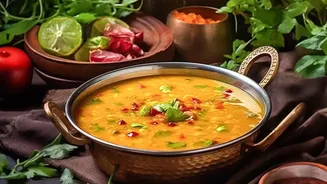
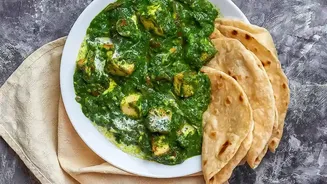
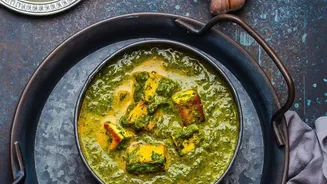
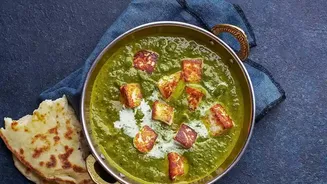
Spinach is the heart and soul of many iconic Indian dishes. Its earthy flavour is the foundation for the creamy 'Palak Paneer', a globally recognised dish where spinach gravy coats soft cubes of cottage cheese. It's also frequently cooked with lentils in 'Dal Palak' or with potatoes in 'Aloo Palak', making for a wholesome and satisfying meal. While spinach is famously rich in iron, a compound called oxalic acid present in the leaves can hinder its absorption. However, you can counteract this. Lightly cooking spinach helps to break down some of these oxalates. Furthermore, pairing spinach with a source of Vitamin C—like a squeeze of lemon juice added at the end of cooking—can dramatically improve your body's ability to absorb the non-heme (plant-based) iron.
A Perfect Pair in the Kitchen
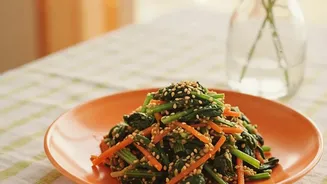
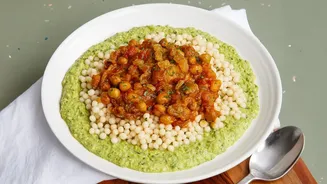
The true magic happens when carrots and spinach are used together, creating a dish that is balanced in both flavour and nutrition. Their contrasting textures and tastes—the sweet crunch of carrot and the soft, earthy notes of spinach—make them a dynamic duo. Think of a mixed vegetable curry where carrots provide sweetness and bite, while spinach wilts down to create a lush, nutrient-dense gravy. They can be finely chopped and added to the dough for colourful and healthy parathas or theplas. A simple 'Carrot and Spinach Sabzi' can be a quick and easy side dish for rotis or rice. You can also combine them in a nourishing 'Khichdi', a one-pot rice and lentil dish, for a complete and comforting meal.