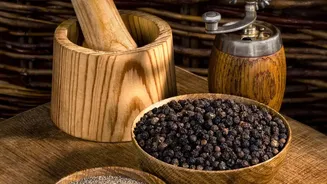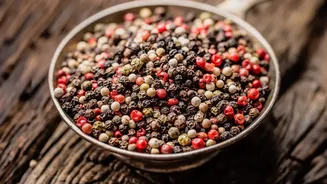



Black pepper, the undisputed 'king of spices' in Indian kitchens, adds pungent warmth to countless dishes. But its high value means it's often adulterated. Thankfully, you don't need a lab to spot a fake—just your eyes and a few simple tricks.
Why Check for Purity?
Adulteration
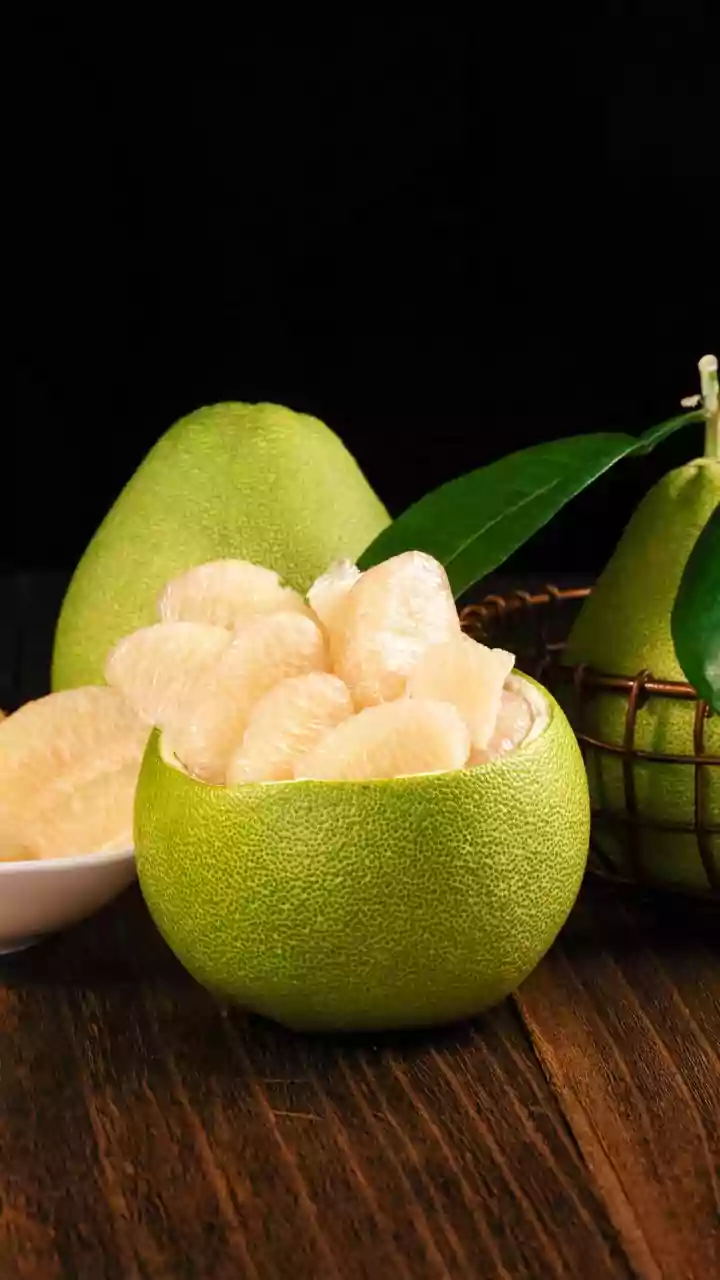
in spices is primarily done to increase profit margins by adding cheaper substitutes that look similar to the real thing. In the case of black pepper, common adulterants include dried papaya seeds, light or hollow pepper berries, and sometimes even a coating of mineral oil to give a false impression of quality. While eating a few papaya seeds by mistake isn't necessarily dangerous, you are being cheated on value and flavour. However, contaminants like mineral oil, a petroleum derivative, can pose health risks, including gastrointestinal issues. Ensuring your pepper is pure means you get the potent flavour, aroma, and health benefits you paid for.
The First Step: A Close Visual Inspection
As the headline suggests, your first line of defence is a careful look. Tip a spoonful of peppercorns onto a white plate under good light. Genuine, high-quality black peppercorns are typically round, dense, and have a deeply wrinkled surface. Their colour is a dark brown to black. The most common adulterant, dried papaya seeds, are often slightly oval or elongated, with a smoother, more finely ridged surface. They may also appear greenish-brown or a dull, uniform black. Once you know what to look for, the difference in shape and texture becomes quite noticeable.
The Simple Float Test
One of the easiest and most reliable home tests, recommended by the Food Safety and Standards Authority of India (FSSAI), is the float test. Simply drop a spoonful of your whole peppercorns into a glass of plain water and stir gently. Pure, dense black peppercorns will sink to the bottom. Adulterants like papaya seeds, which are lighter, will float to the surface along with any hollow or immature pepper berries. If you see a significant number of floaters, your batch is likely adulterated.
The Crush and Smell Test
Your sense of touch and smell are powerful tools. Take a single peppercorn and press it firmly with your thumb or a heavy object. A pure peppercorn is quite hard and will resist breaking, eventually cracking into oily, aromatic fragments. It will release a sharp, pungent, and characteristic peppery aroma. A papaya seed, by contrast, is much softer and crushes easily into a mushy or powdery substance that lacks pepper's signature scent. Some describe the smell of crushed papaya seeds as bland or even slightly repulsive.
Checking for an Oily Sheen
Some sellers coat peppercorns with mineral oil to give them an appealing, glossy black shine and to add weight. A naturally good peppercorn has a more dusty, greyish-black appearance, not a high-gloss finish. To check for this, rub a few peppercorns vigorously between your palms or on a piece of white paper. If your hands feel greasy or if the paper develops a greasy stain that doesn't evaporate, it's a sign of an oil coating. Another method is to check the water from the float test; an oily film on the surface indicates the presence of mineral oil. You may also detect a faint kerosene-like smell from oil-coated pepper.
How to Buy with Confidence
Ultimately, prevention is the best strategy. To avoid bringing adulterated pepper home, always opt for whole peppercorns over pre-ground powder, as powders can be bulked up with fillers like sawdust. Purchase your spices from trusted, reputable brands and vendors. Look for quality certifications on the packaging, such as the FSSAI license number and AGMARK certification, which are indicators of purity standards in India. Be wary of suspiciously low prices for a premium product—if the deal seems too good to be true, it probably is.